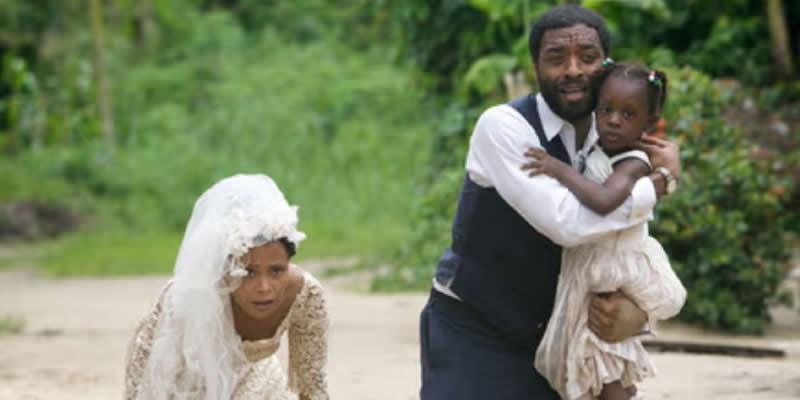
Let’s be honest, Nollywood hasn’t always been known for visuals. For a long time, it was mostly about the story, the drama, the chaos. You’d watch a film, and you could tell the budget was tight, the lighting was doing the bare minimum, and the camera angles were… well, let’s not talk about them.
But something changed.
Over the past few years, a new wave of filmmakers have started paying serious attention to how their films look. The cinematography, the colour grading, the production design, even the way costumes are styled, it’s all more intentional now. Some Nollywood films are genuinely beautiful to watch, like you could mute the sound and still enjoy them just for how well they’re shot.
This list pulls together twelve of those kinds of films. Not just popular ones or box office hits, but movies that stood out visually. The kind that make you pause, rewind, and ask, “Who shot this thing?” If you care about how a film feels visually; lighting, camera movement, colour, and atmosphere, then you’ll want to stick around.
12 Most Visually Stunning Nollywood Films Ever Made
A breakdown of movies that stood out for their cinematography, costumes, and production design
There’s a different kind of respect that comes with a film that looks good. Not just vibes and acting, but visuals that hold your eyes, clean camera work, thoughtful lighting, costumes that pop, and set designs that actually make sense. In recent years, Nollywood has been stepping up in that department, and some films have gone all out.
Here’s a quick breakdown of 12 Nollywood films that didn’t just tell great stories, they looked stunning while doing it. From cinematography to costume to production design, these ones really stood out.
Eyimofe (2020)
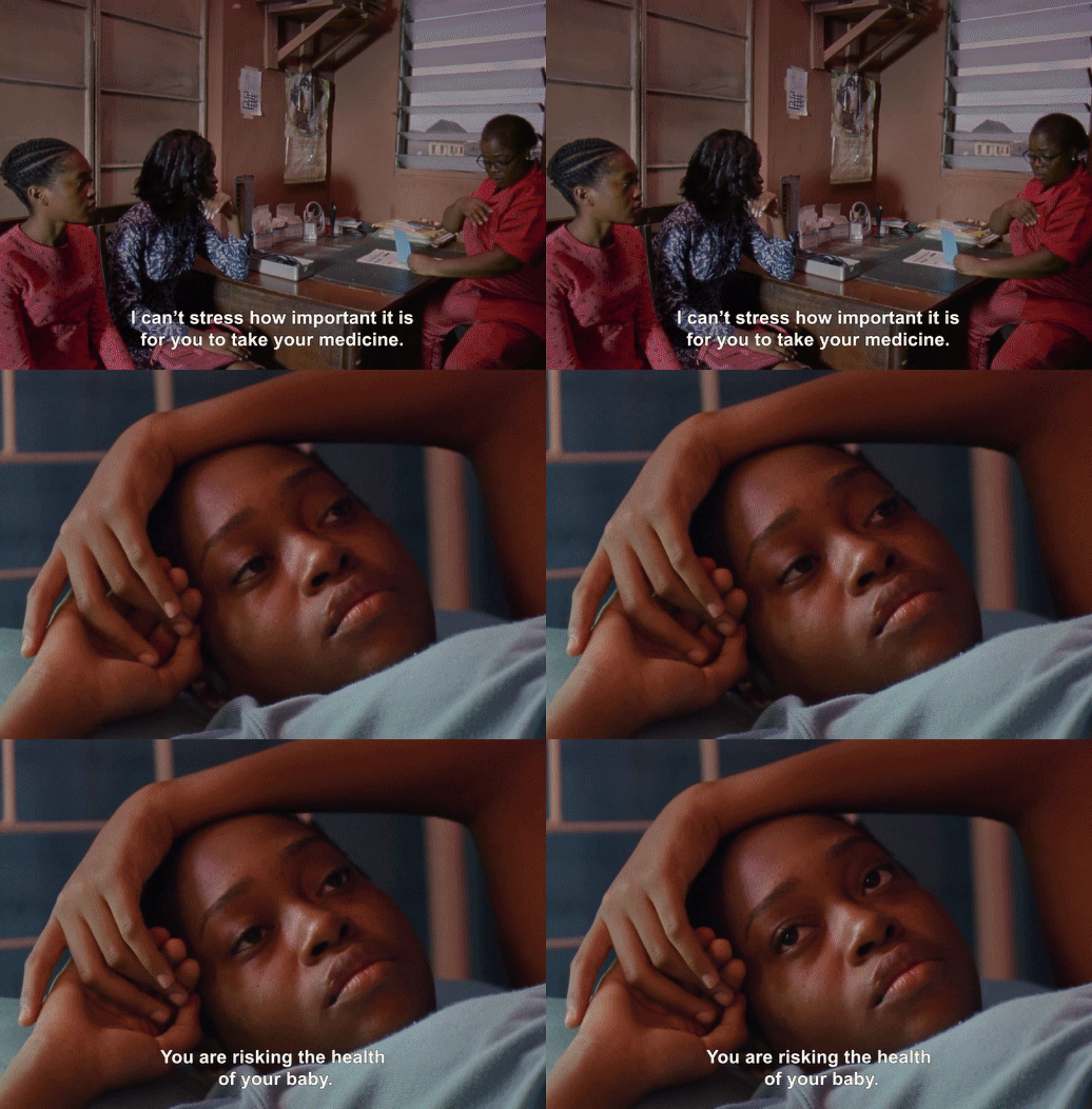
Eyimofe (This Is My Desire) is a film that redefines visual storytelling in Nollywood. Directed by twin brothers Arie and Chuko Esiri, the film presents a dual narrative of two individuals, Mofe and Rosa, navigating the complexities of life in Lagos. What sets this film apart is its commitment to authenticity and artistic expression, achieved through meticulous attention to cinematography, costume design, and production aesthetics.
The cinematography, led by Arseni Khachaturan, is a masterclass in visual realism. Choosing to shoot on 16mm film, Khachaturan captures the textured essence of Lagos, bringing a tangible quality to the city’s landscapes and the characters’ experiences. His approach to lighting and composition emphasizes naturalism, allowing the environment and the actors’ performances to convey the narrative’s emotional depth.
Daniel Obasi’s role as the costume designer brings a nuanced understanding of character and setting. Obasi’s designs reflect the socio-economic realities of the characters, using clothing as a narrative tool to express their aspirations, struggles, and identities. His work is informed by a deep engagement with Nigerian culture and a commitment to portraying it with authenticity and respect.
Taisa Malouf’s production design further grounds the film in its Lagos setting. Her attention to detail in recreating the city’s diverse environments, from bustling markets to intimate domestic spaces, provides a rich backdrop that enhances the storytelling. Malouf’s designs are not merely decorative but serve to deepen the audience’s immersion into the characters’ world.
Eyimofe has been recognized internationally, having premiered at the 70th Berlin International Film Festival and screened at the British Film Institute’s London Film Festival. Its visual storytelling has been praised for its depth and authenticity, marking it as a significant achievement in Nigerian cinema.
Lionheart (2018)
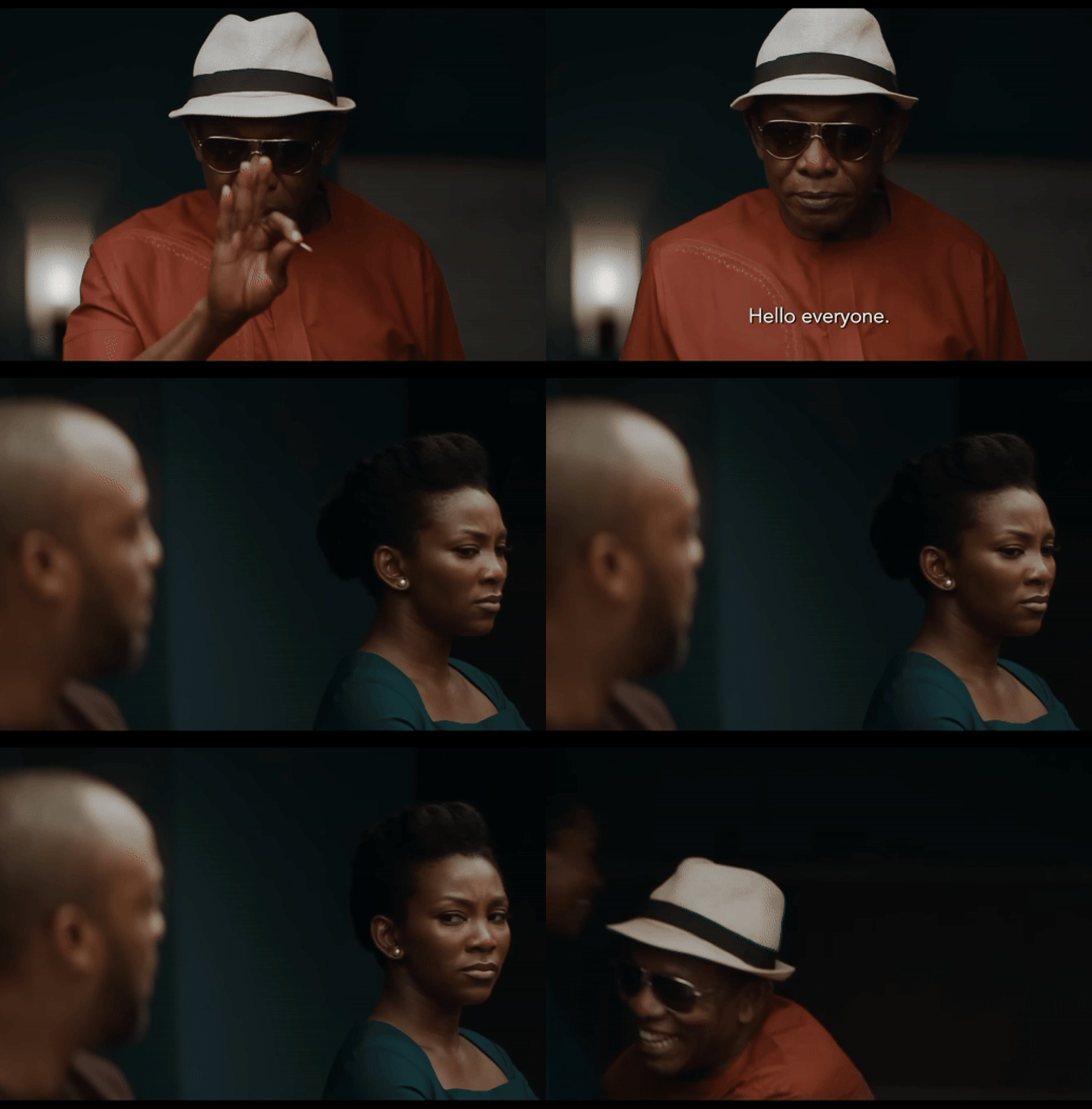
In Lionheart, the visual storytelling is rich, with every frame telling a part of the story. The cinematography, costumes, and production design are essential in bringing the world of the Obiagu family to life. The film’s cinematography is characterized by vibrant colors and clean compositions, effectively showcasing the modern-day corporate world and familial relationships.
Yinka Edward, the cinematographer, is known for his naturalistic approach to lighting, and that’s exactly what he brought to Lionheart. His use of daylight, especially in outdoor scenes, feels effortless, as if the world of the movie is naturally lit by the environment itself. This approach doesn’t just make the film look beautiful; it helps the audience feel the weight of the characters’ struggles. The wide shots of the city of Enugu, paired with moments of intimacy, ground the film in realism and add depth to the emotional landscape of the characters.
Then there’s the work of Zed-Eye, the costume designer, who perfectly captures the cultural essence of the characters. Adaeze’s wardrobe transition, from practical to more corporate looks, symbolizes her growth within the family business. It’s subtle but speaks volumes about her character arc. Even the traditional pieces worn by Pete Edochie’s character, Chief Obiagu, are rich in meaning and history, adding a layer of authenticity that makes the movie more immersive.
On the production side, Pat Nebo did wonders in designing the spaces in the film. His sets are understated yet deeply meaningful. The Obiagu family’s home is not just a backdrop; it’s a visual representation of the family’s wealth, history, and struggles. Whether it’s the sleek, minimalist office spaces or the warmth of the family home, every design choice in Lionheart supports the narrative in a way that’s both functional and emotionally resonant.
Every detail, from the lighting to the costumes and the set design, helped deepen the story, making Lionheart a standout in Nollywood for its visual appeal.
The Milkmaid (2020)
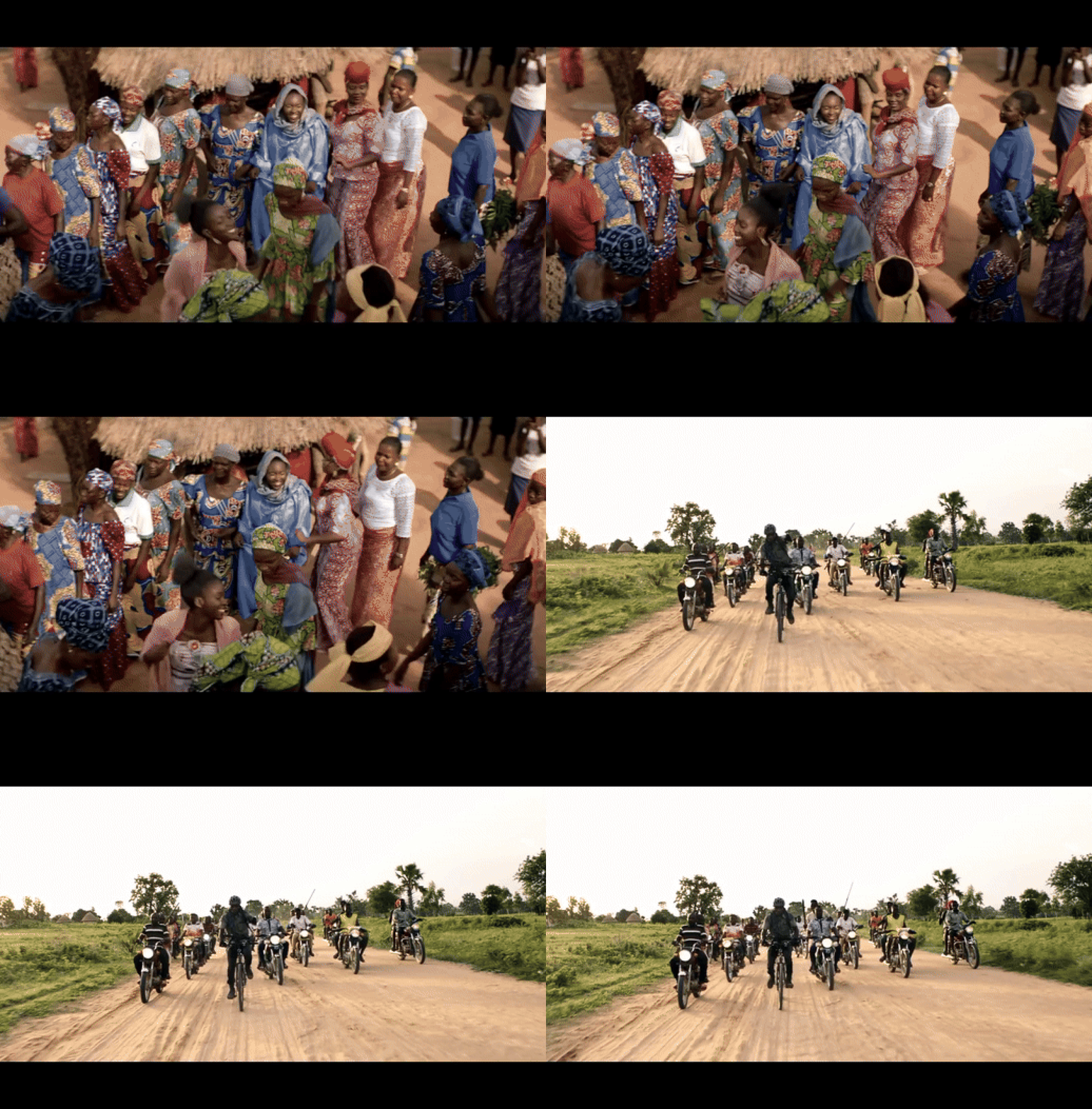
In The Milkmaid, every element of the film’s design serves a specific purpose, grounding the narrative in its cultural and emotional context. The cinematography captures the rawness of the characters’ emotional journeys in a rural setting, using wide shots of vast landscapes to symbolize isolation and intimate close-ups to amplify internal turmoil.
The cinematography by Yinka Edward, who is also a BAFTA-winning Director of Photography, plays a pivotal role in framing the sweeping landscapes of Taraba with a contemplative eye. Edward carefully contrasts the beauty of the desert vistas with the terror of the conflicts unfolding within the film. The way he captures the vastness of the land provides a visual metaphor for the characters’ isolation and the challenges they face, making it not just about the land but about the emotional space the characters inhabit. His use of natural light, particularly in the expansive outdoor scenes, enhances the film’s contemplative atmosphere while highlighting the brutality of the environment.
Obijie Oru, the costume designer, grounds the characters in the rich cultural fabric of Nigeria by incorporating adire, Ankara, and regional textiles into the design of the film’s wardrobe. The authenticity of the costumes is key to building emotional resonance. For example, the use of adire (a traditional hand-dyed fabric) is not just for aesthetic appeal, it connects directly to the heritage and traditions of the characters. The costumes speak to the identities and histories of the people portrayed, subtly supporting their emotional arcs. This cultural specificity is important for the film’s setting and gives the audience a deep sense of place.
Pat Nebo’s work as the production designer is equally meticulous. The sets, particularly the village and the insurgent camp, evoke a visceral sense of place. Nebo creates an environment that feels rugged and harsh, mirroring the struggles the characters face. The village’s isolation and the insurgent camp’s makeshift nature are not just physical settings; they’re reflections of the internal and external conflicts that pervade the film. The production design is deliberate in showing the bleakness of survival in a time of violence and the resilience of the inhabitants who live through it.
In The Milkmaid, these teams worked meticulously to ensure that every visual element; the cinematography, costumes, and sets, was deeply intentional, creating a world that feels authentic, emotional, and impactful. These design choices don’t just complement the narrative, they actively elevate it, making the story feel more lived-in and real.
Aníkúlápó (2022)
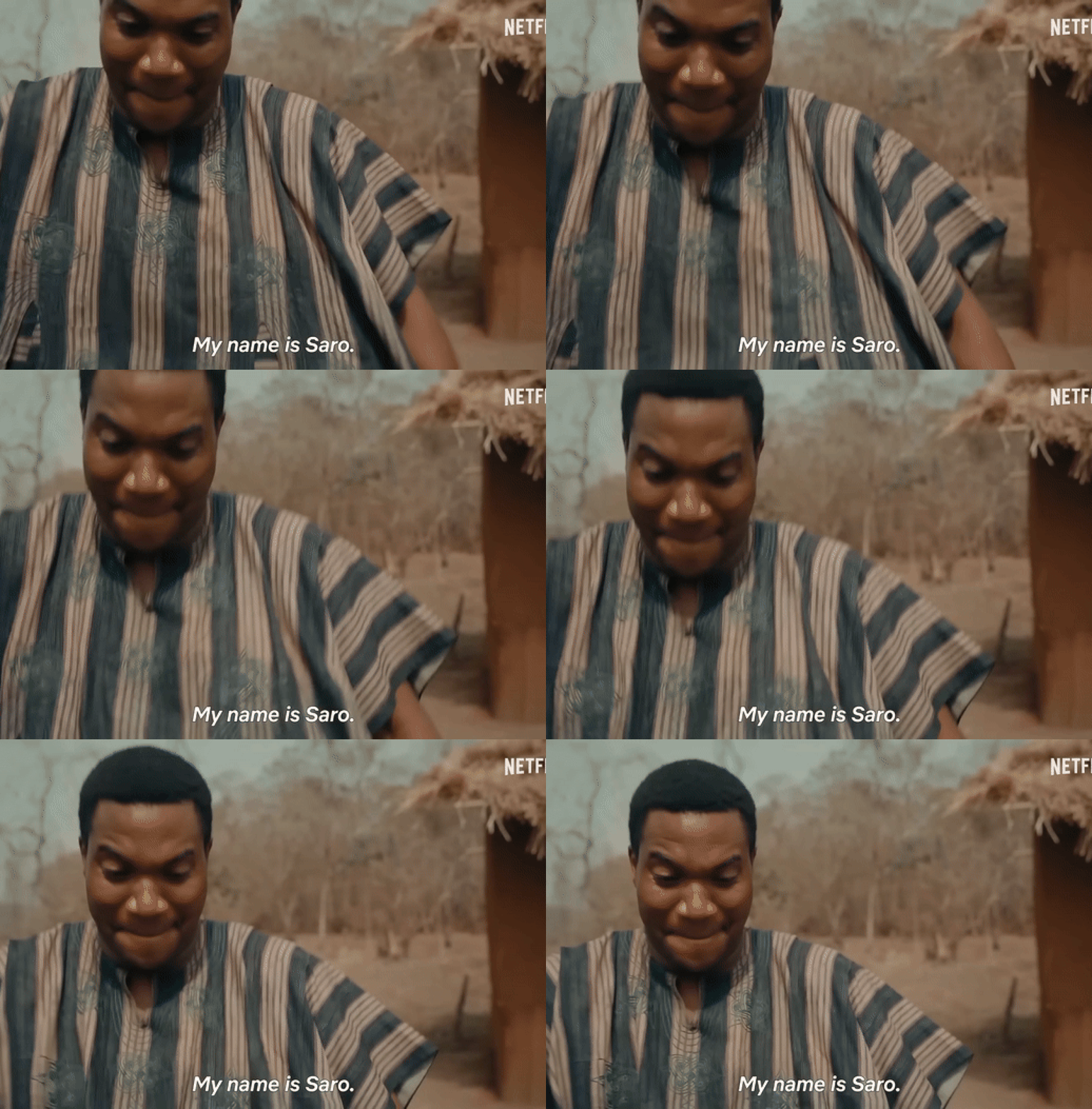
In Aníkúlápó, the cinematography is rich, immersive, and visually striking, thanks to the meticulous work of Jonathan Kovel, the film’s Director of Photography (DP). The film’s cinematography portrays rich cultural and historical themes through sweeping landscape shots and evocative use of color, aligning with the film’s spiritual and philosophical themes.
Jonathan Kovel role in crafting the visual look of the film is evident in how the camera moves through both the natural landscapes and intimate moments. Kovel’s collaboration with the camera operators was key, ensuring that the carefully planned shots were executed flawlessly. For instance, the camera movements during the more intense moments, like the mystical scenes, create a sense of tension and drama, while the serene, wide shots of the rural landscape evoke a deep sense of tranquility and cultural reverence.
One of the standout aspects of the cinematography in Aníkúlápó is how the lighting, which was expertly handled by the gaffer and their team, contributes to the film’s tone. The natural light during outdoor scenes, paired with the subtle use of shadows in indoor or mystical scenes, enhances the spiritual and atmospheric elements. The lighting doesn’t just illuminate; it works to deepen the emotional resonance of the narrative, with its rich use of warmth and coolness. These lighting choices highlight the dichotomy between the earthly and supernatural, which is so central to the story.
The film’s grip department played a crucial role in ensuring the smooth operation of equipment that enabled the camera movements to be so precise. While we don’t have specific names for these key crew members, their work on stabilizing the camera, using rigs and dollies for dynamic shots, ensured that each shot felt both natural and impactful. This technical skill helped translate Kovel’s vision onto the screen.
In addition to the camera work, the production design by Adewale Adeleke was fundamental in building the world of Aníkúlápó. From the set to the props, the design felt deeply rooted in Yoruba culture, complementing the film’s visual themes. The sets weren’t just backgrounds, they were essential to the storytelling. They reflected the film’s themes of tradition, mysticism, and human nature, allowing the cinematography to naturally flow within them.
On the costume front, Toyin Ogundeji’s work is incredibly significant. The costumes in Aníkúlápó are more than just visual accessories, they are critical in defining character identities and cultural context. For instance, the traditional attire worn by the characters isn’t just a reflection of their status or role but is designed to echo the spiritual undertones of the film. The color palette of the costumes is rich and evocative, aligning with the earthy tones of the landscape and the mystical world being depicted.
In post-production, while we don’t have the name of the colorist, the color grading in Aníkúlápó deserves attention. The film uses warm, golden tones to evoke a sense of nostalgia and connection to the earth, while cooler hues in more intense, supernatural moments shift the tone of the film, giving it a dreamlike quality. This use of color throughout the film adds an additional layer to its spiritual themes.
Lastly, Temitope Folarin’s editing ties everything together, ensuring that the film’s pacing complements its visual style. The transitions between shots; whether they are slow, lingering, or quick cuts, perfectly mirror the rhythm of the story, making the film’s visuals not just pretty to look at, but also emotionally compelling.
Gangs of Lagos (2023)
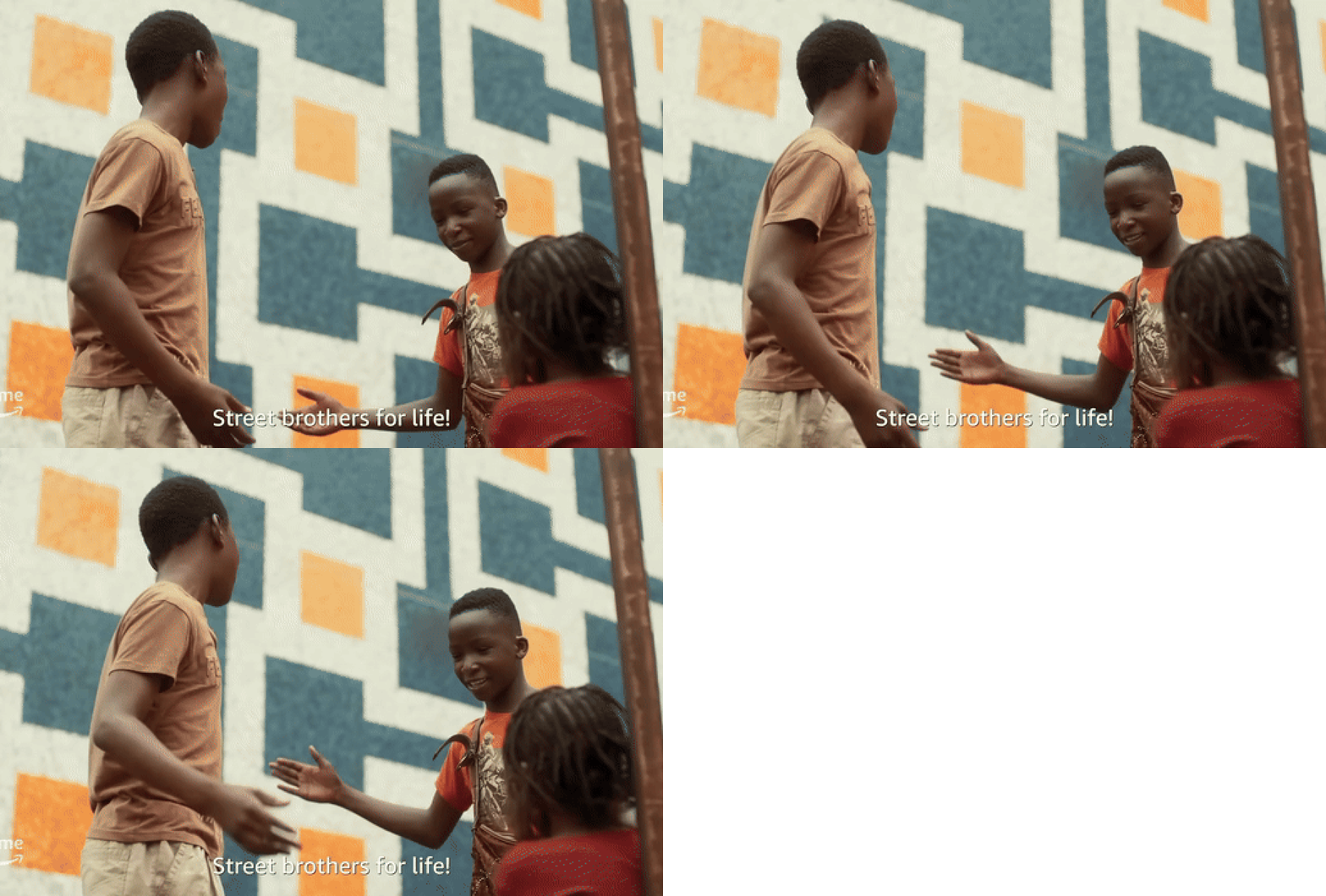
In Gangs of Lagos, the cinematography employs gritty, fast-paced shots reflecting the high tension and chaotic nature of the city’s underworld, using handheld camera work to immerse the audience in the raw environment.
From the very first frame, Muyiwa Oyedele, the Director of Photography, brings the raw energy of Lagos to life. His camera doesn’t just watch, it’s part of the action, moving dynamically to follow the pulse of the characters and the chaotic streets around them. There’s an urgency in the way the camera moves, whether it’s zipping across the market or staying still to capture a tense moment. It all feels immersive, like the viewer is right there with the characters, caught in their world.
One of the standout features of the cinematography is how the film uses lighting to reflect the emotional weight of each scene. Matthew “Matolight” Yusuf, the special days gaffer, plays a crucial role in this. The lighting isn’t just functional, it’s atmospheric, casting shadows that aren’t there just to be dramatic but to underscore the tension and struggles of the characters. Whether it’s the harsh light in the street brawls or the softer, almost suffocating glow in intimate scenes, the lighting deepens the storytelling. You never feel like the light is doing too much, but you always feel it working.
In addition to the lighting, Olugbenga Ogunsina, the production designer, creates the world that Oyedele’s camera captures. The environments, from the rough streets of Isale Eko to the interior of gang hideouts, are built with an authenticity that goes beyond aesthetics. Every location is alive, breathing in a way that makes the characters’ actions feel grounded. The sets don’t just exist, they tell their own stories.
When it comes to the pacing of the film, Olakunle Martini Akande, Afolabi Olalekan, and Biyi Toluwalase, the editors, keep things tight. There’s no room for wasted space here. The film is fast-paced when it needs to be, but also knows when to pull back, letting moments linger just long enough for the audience to catch their breath.
They make sure that each cut doesn’t just serve the narrative but also the emotional beats, keeping the energy high without ever losing the emotional core. The way the editing complements the camera work is seamless; every transition, every beat change in the rhythm of the scenes feels intentional, like it’s all pushing toward that final payoff.
King of Boys: The Return of the King (2021)
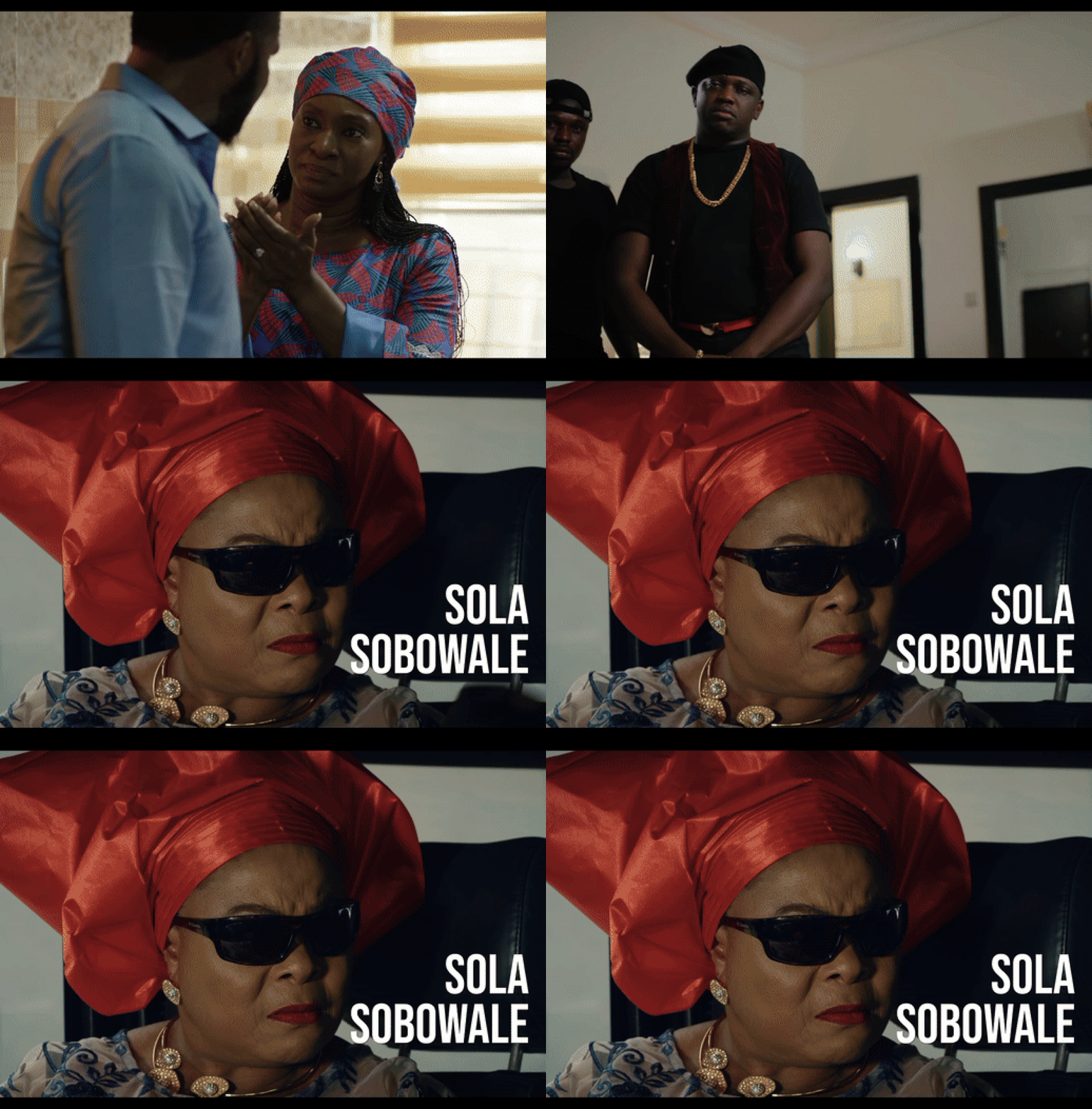
So first off, the visual language of King of Boys is intentional. Nothing here is by chance. The cinematography is striking, using dark, dramatic lighting and wide-angle shots to underscore political power plays and moral decay, with high contrast lighting emphasizing themes of power and corruption.
The cinematographer, Kagho Idhebor, uses the camera like it’s an extension of Eniola Salami’s power; commanding, deliberate, and sometimes quietly dangerous. He shot the film using Cooke Optics Panchro/i Classic lenses, and if you know anything about those lenses, you know they give you that textured, rich image with a softness that still holds weight. That choice alone tells us they were going for something with a blend of grit and grace, exactly the mood KOB lives in.
Now, lighting. It’s not just there for brightness; it’s storytelling. Kayode Abolade, the gaffer, knew exactly what to do with light and shadow. There’s a recurring cyan-blue tone that follows many of the scenes, almost haunting in the way it wraps around characters. That wasn’t just for aesthetics, it reflects the emotional chill of political betrayal, the coldness of power plays, and the isolation that comes with being at the top. The lighting helps to create that layered tension, making scenes feel more psychological than surface-level dramatic.
Moving to production design, Abisola Omolade understood that Lagos politics needed its own kind of visual voice, and they gave it just that. The power offices look untouchable, like something out of a neo-noir political thriller, while the street scenes keep you grounded. There’s a clear line between the world Eniola navigates publicly and the gritty underbelly she comes from, and their design work reflects that. Props, textures, color palettes, they all mirror character transitions. You don’t even need dialogue to see when a character has shifted, just watch their environment.
And of course, costume design. Toyin Lawani of Tiannah’s Empire, John Joseph Angel, Yummie Ogbebor, and Ikechukwu Urum, these people didn’t just dress characters, they draped power on them. The costume department works hand-in-hand with cinematography, because the textures and colors they choose affect how the camera reads each scene.
Color grading here is another heavy hitter. John Harry and Bobola Oniwura, the colorists, put in serious work. You can feel the balance, warm tones clashing with cooler shadows, intense reds, murky grays. The grade isn’t just there to look “clean.” It deepens mood, amplifies inner conflict, and sharpens the divide between appearance and truth. Scenes that deal with betrayal, plotting, or internal struggle are treated with a palette that tightens the emotional grip without overwhelming your senses.
Even in the edit, there’s respect for the cinematography. The shots are allowed to breathe when needed, but also snap fast when the narrative demands urgency. Kemi Adetiba’s direction is bold and assured. Her music video background shows up in the stylized compositions and dramatic movement, but it’s not flashy for flashiness sake, it all fits the story. Every slow motion, every sweeping dolly-in, it’s built on intention.
So yeah, King of Boys: The Return of the King doesn’t play. Every department came correct, and the cinematography holds everything together like glue. It’s not just about making things look good, it’s about using every visual tool to amplify power, paranoia, ambition, and identity.
Brotherhood (2022)
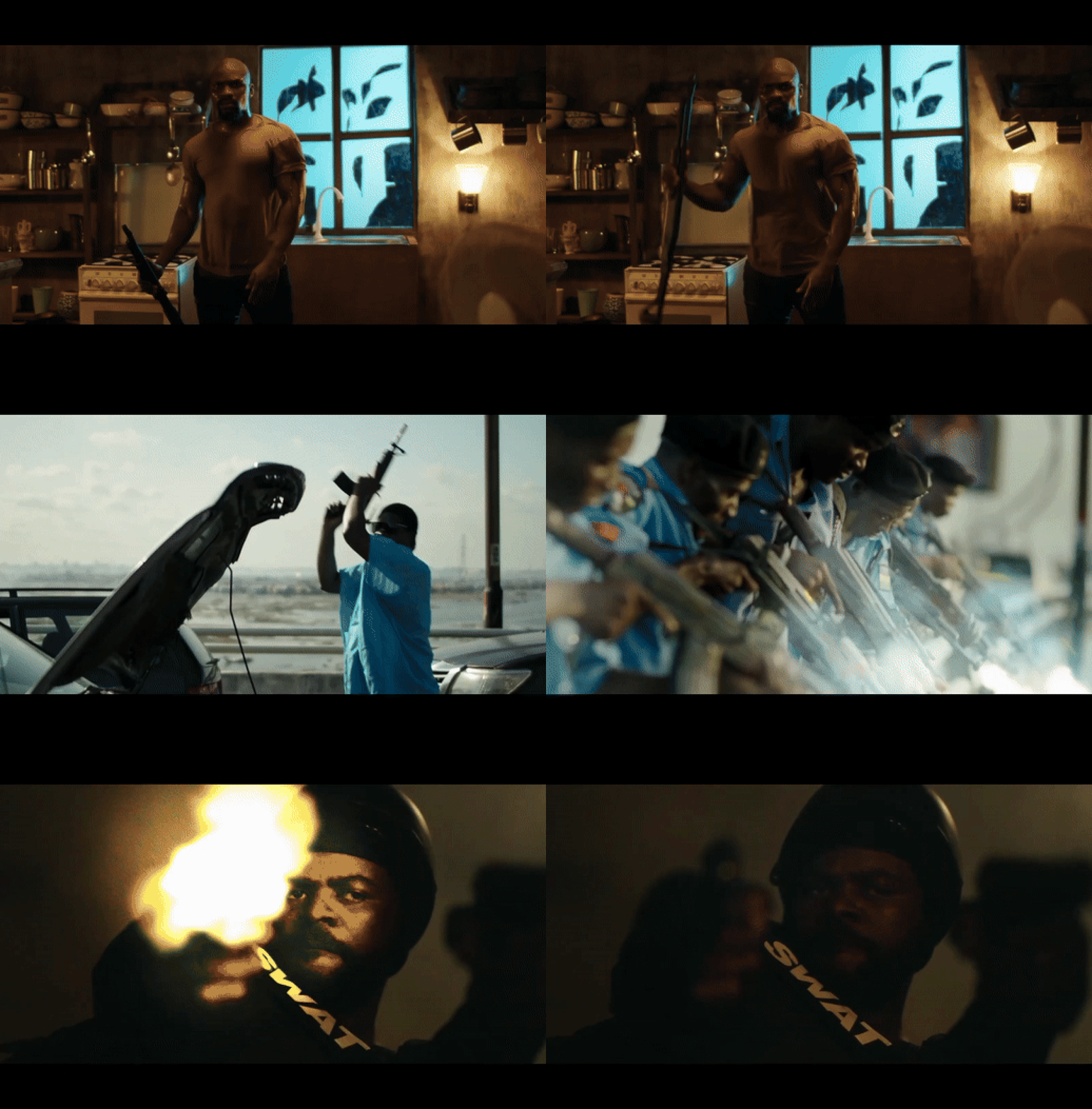
The cinematography of Brotherhood (2022) is a masterclass in visual storytelling, with a significant emphasis on dynamic camera work, atmospheric lighting, and precise post-production color grading.
The cinematography captures the tension between the two main brothers, using tight framing and sharp angles to showcase their conflict, with lighting contrasting the dark underworld with moments of vulnerability. The film’s look and feel are a direct result of the collaboration between several key departments, each playing a crucial role in bringing the narrative to life through its visual design.
At the helm of the cinematography is Loukman Ali, the Director of Photography (DP). Loukman’s vision for Brotherhood is evident in the film’s fluid camera work and powerful shot composition. His ability to craft visually striking moments that complement the emotional beats of the story is at the core of the film’s visual style. His use of dynamic handheld shots during intense action sequences, such as the chase scenes, mirrors the urgency and danger of the brothers’ criminal lives. This creates a sense of immediacy, making the audience feel as though they are in the midst of the action. In these moments, the handheld camera provides a feeling of chaos and instability, reflecting the brothers’ increasingly uncertain and violent world.
Loukman’s role involved not just the camera work but also the overall aesthetic and how lighting and angles shaped the tone of each scene, whether during the intense action sequences or more intimate, emotional moments.
Lighting, which plays a pivotal role in setting the film’s mood, was designed by Matthew “Matolight” Yusuf, whose expertise in lighting design ensured that the visuals complemented the intense tone of Brotherhood. Every scene, from the darker, more dramatic moments to the more brightly lit sequences, was carefully planned to maintain visual consistency. The lighting not only highlighted the characters and their emotions but also enhanced the atmosphere, pulling the audience deeper into the world of the film.
The Grip Department, led by Jacob Chukwujindu Okolie as the Key Grip, was instrumental in managing all the camera rigs, dollies, and cranes. These tools were vital during complex shots that required smooth movements or dynamic camera angles. Jacob and his team made sure that the technical aspects of these setups worked seamlessly, allowing the camera to move freely and the action to unfold naturally.
Finally, Ben Aitar, the Colorist, played a crucial role in post-production, fine-tuning the film’s color palette. His work in color grading ensured that each frame not only matched the visual tone set by Loukman and the lighting team but also elevated it. By adjusting the contrast, saturation, and hue, Ben was able to enhance the film’s mood and help guide the audience’s emotional response, particularly during pivotal moments.
The cinematography of Brotherhood is a result of a highly collaborative effort between the camera, lighting, and post-production teams. From the precision of the camera movements to the atmospheric lighting and thoughtful color grading, the cinematography helped to elevate the storytelling, making Brotherhood an engaging and visually striking film.
Living in Bondage: Breaking Free (2019)
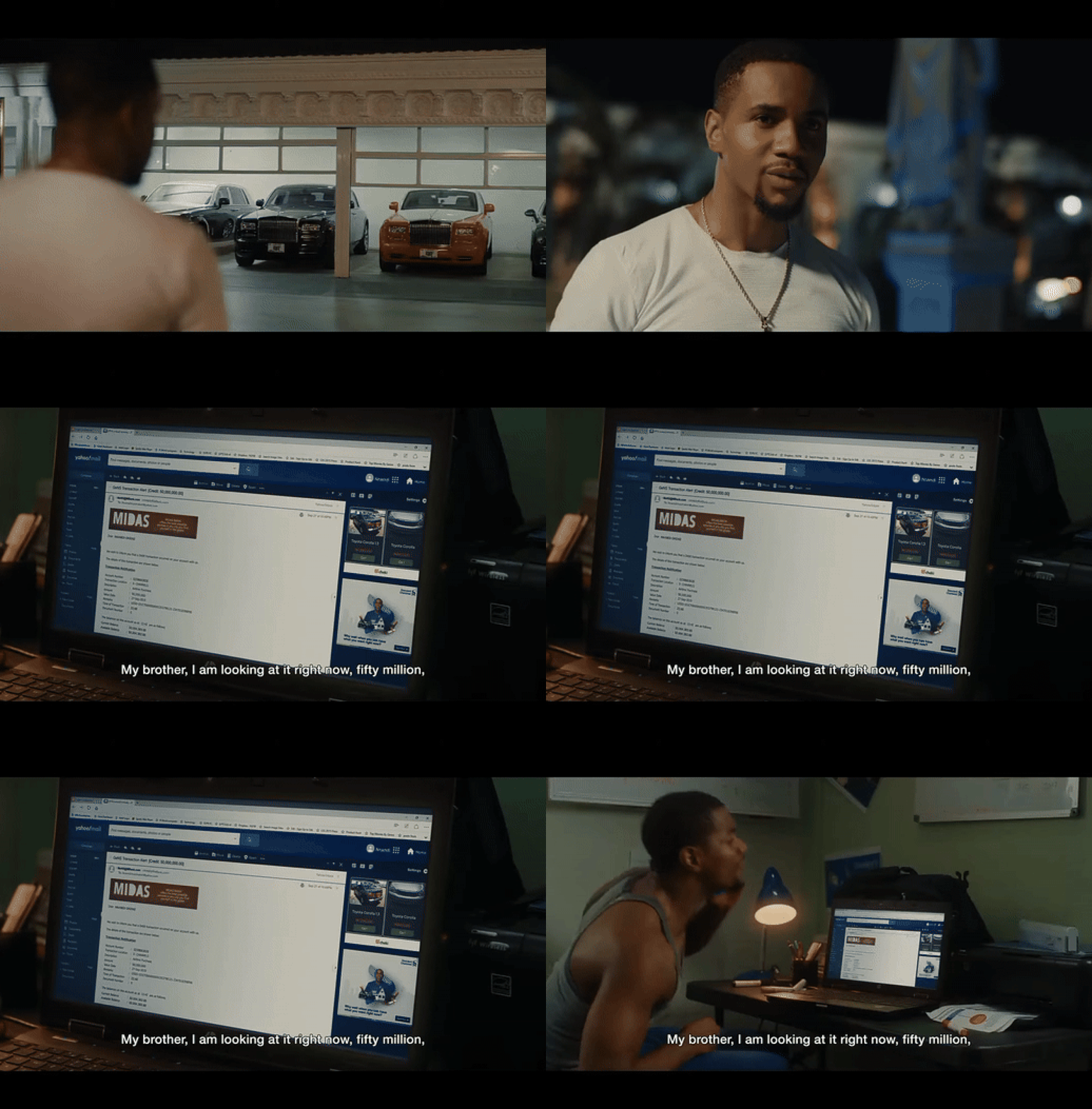
In Living in Bondage: Breaking Free (2019), the cinematography stands as one of the most striking elements of the film, expertly crafted to complement the intense drama and supernatural themes that drive the story. The film’s cinematography incorporates an aesthetic blending the supernatural with everyday reality, using low-key lighting and darker tones to enhance mood and create visual metaphors.
At the helm of this visual journey is John L. Demps Jr., the Director of Photography (DP), who meticulously shaped the film’s visual tone. Demps’ work was central to the film’s overall atmosphere, as he made crucial decisions on shot composition, camera movements, and lighting, bringing a sense of realism to the supernatural elements while grounding the narrative in an authentic visual style.
Jason R. Moffat played a pivotal role as the colorist for the film, enhancing its visual storytelling with his expert color grading. His expertise in color grading ensured that the film’s color palette remained consistent and enhanced its storytelling. The color choices helped establish the mood for each scene, underscoring the dark, eerie, and occasionally intense nature of the plot. The careful blending of hues, shadows, and contrasts was essential in giving the film a polished and cohesive visual look.
Behind the scenes, the camera department was equally important in achieving the film’s visual brilliance. Afolabi Emmanuel, the Second Assistant Camera (2nd AC), ensured that the camera equipment was maintained and operated smoothly during the shoot. His role was pivotal in keeping the workflow efficient, especially during the more complex shots, which demanded quick and precise camera movements.
On top of the technical aspects, the film’s supernatural sequences were elevated by the work of Moffat Nicholas, the Visual Effects (VFX) Supervisor. Nicholas’ contribution allowed the film to seamlessly integrate visual effects, heightening the film’s supernatural themes without overpowering the realism of the story. The VFX helped make key moments, particularly those involving mystical elements, more immersive, adding an extra layer of tension and excitement to the narrative.
Collectively, this gave Living in Bondage: Breaking Free its distinct visual identity. These efforts not only served to tell the story but also elevated the film, giving it a cinematic quality that resonated with audiences. The collaboration between the departments brought a level of sophistication and finesse that positioned the film as a standout piece in Nollywood’s evolving landscape of film production.
Jagun Jagun (2023)
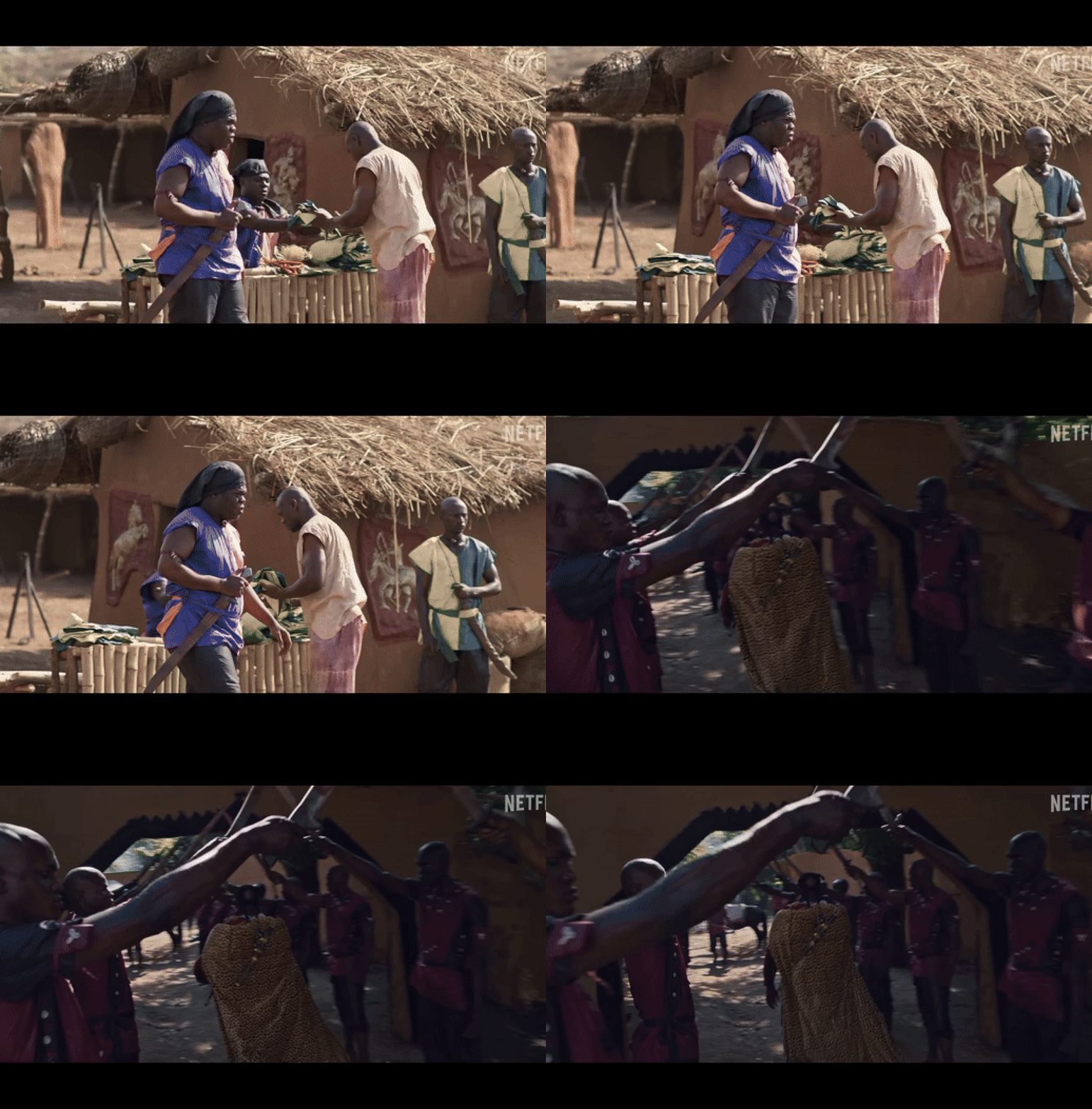
The visual storytelling in Jagun Jagun didn’t just serve the plot, it elevated it, brought it to life, gave it soul. From the very first frame, you could tell this film wasn’t playing. There was precision in how it was shot, in how it was lit, in how it moved. The cinematography captures the epic scale of the film’s action sequences with wide, sweeping shots of battlefields and intimate close-ups during personal moments, aligning with the film’s action-driven narrative.
At the heart of that visual success was Adeoluwa Emmanuel Owu, known across the industry as Captain Degzy. As Director of Photography, he wasn’t just pointing a camera, he was painting with light and movement. You look at those wide, sweeping shots of the training grounds, or those quiet, emotionally charged close-ups during one-on-ones, and you know a lot of thought went into every frame. The intention was clear: show us not just a story, but a world, gritty, mystical, alive.
But Degzy didn’t do it alone. Behind every smooth camera pan and dramatic focus pull were camera operators like Sanjo Adegoke and Adesola Amusan Oluwaxplorer, handling the camera like an extension of the film’s heartbeat. These weren’t just technical hands, they were storytellers too, responding to energy and emotion. Holding it all steady, both literally and figuratively, was Asekun Oloruntoba, the First AC, whose job it was to keep the image sharp and focused, even during the most chaotic scenes.
And then there’s the lighting. Bukola Ayandokun and Olawale Olawoyin deserve all the flowers. These two handled the lighting setup in ways that gave scenes their tension and beauty. Those flickering flames in the night scenes? That eerie glow around Ogundiji?, that’s lighting design.
Mary Claudia Nwoga wore multiple hats as the Digital Imaging Technician and Visual Effects Coordinator. She was the bridge between what was shot and what would become finished, polished scenes. Ensuring the footage stayed clean and consistent on set, then helping the VFX blend seamlessly in post, her contribution was essential, especially in a film like Jagun Jagun where myth meets reality.
Post-production magic came through Niyi Akinmolayan, who handled color grading. His work tied everything together. The palette stayed grounded in nature but wasn’t afraid of bold choices when the story called for it. The mystical parts had a slightly surreal glow, the battle scenes carried dust and blood in their tone. Nothing felt accidental.
Special shoutout too to Sola-Ojo Olaoluwa, who worked as digital compositor, helping layer the visuals we now take for granted. And you can’t talk about the look of Jagun Jagun without mentioning Hakeem Onilogbo, (Hakeem Effects), his SFX makeup brought the scars, wounds, transformations, and mystical symbols to life. He won the Best Makeup award at the 2024 AMVCA for his work on Jagun Jagun.
This is what happens when every department shows up and aligns under one vision. Jagun Jagun wasn’t just filmed, it was sculpted, and that’s why it looks and feels the way it does. Every single name here earned their credit.
‘76 (2016)
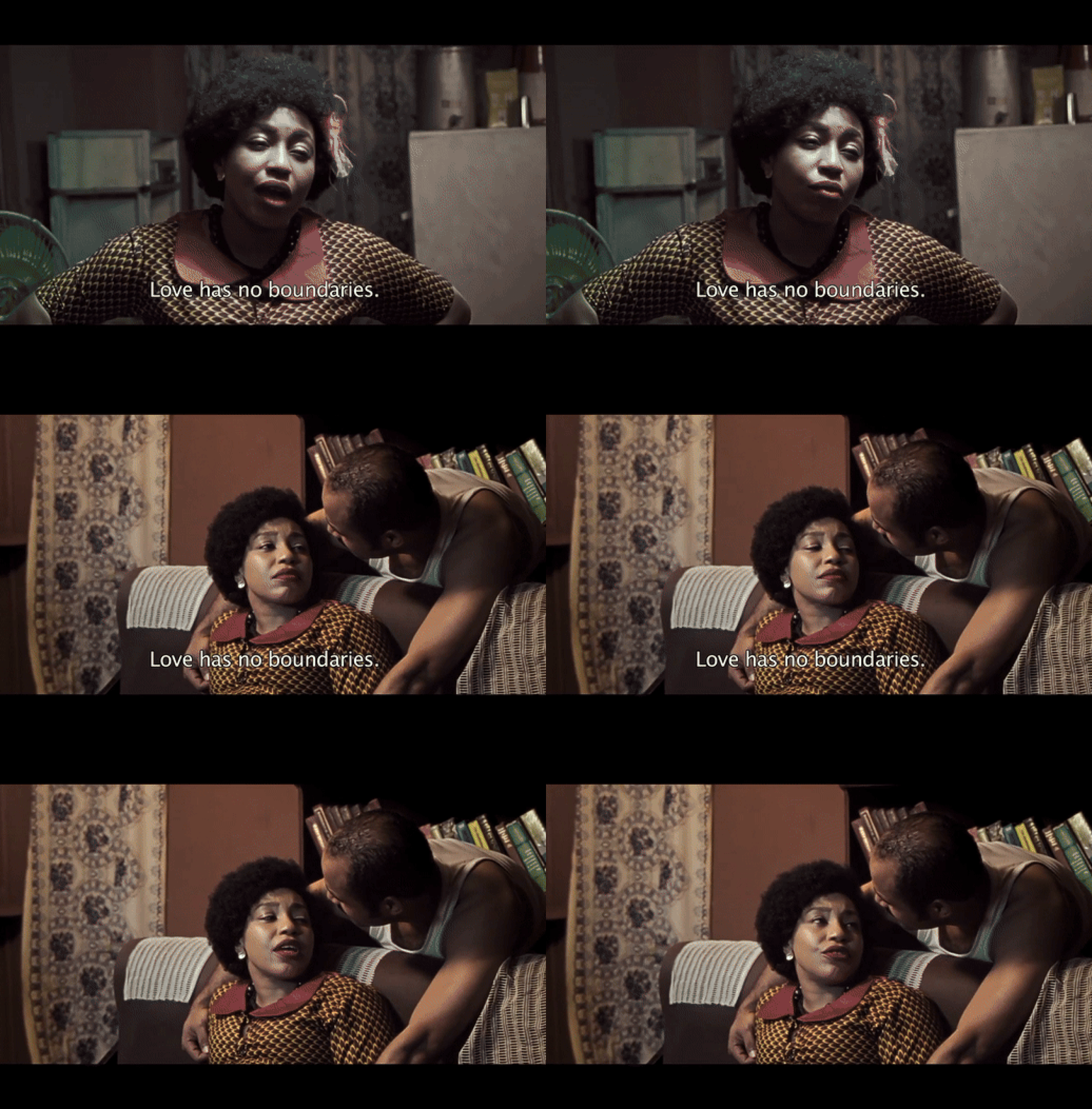
The cinematography of ’76 (2016) is an impressive display of thoughtfulness and intentionality, with the film’s visual aesthetics playing a pivotal role in shaping its narrative and emotional tone.
The cinematography blends historical and dramatic elements through meticulous attention to detail, using archival footage alongside cinematic shots to ground the audience in the depicted period. The cinematography brings the historical events of the Nigerian Civil War to life, utilizing wide shots to depict the large scale of the conflict and intimate close-ups to capture personal experiences, with color grading conveying the gravity of the story.
At the helm of this cinematic venture was Yinka Edward, the film’s Director of Photography (DP), whose meticulous approach to lighting, composition, and camera movement brought the story to life in a visually compelling way.
Edward, a highly skilled cinematographer with an extensive portfolio in both Nigerian and international films, carefully chose to shoot ’76 with the Arriflex 416 camera, a Super 16mm motion picture camera, to authentically capture the 1970s setting of the film. This choice wasn’t merely aesthetic, it was an immersive tool that helped to capture the gritty, authentic feel of the era. The texture and warmth of the film grain enhanced the film’s historical context, visually transporting viewers to post-independence Nigeria.
This is the kind of cinematic detail that immerses an audience in the world of the story without overwhelming them with modern cinematic techniques. The film’s setting and period details were also elevated by Edward’s use of natural lighting in some scenes, creating a raw and realistic atmosphere that added depth to the performances.
The camera work in ’76 was also critical in establishing the film’s emotional undertones. Edward employed a combination of wide-angle shots and intimate close-ups, skillfully using space to reflect the inner turmoil and political tensions at play in the narrative. This balancing act between sweeping shots of Nigeria’s historical landscape and the smaller, more personal moments helped to reinforce the central themes of identity, sacrifice, and love. The camera movement, at times fluid and at others, more rigid, mirrored the tension in the film’s storyline and the characters’ struggles.
Izu Ojukwu, the film’s director, collaborated closely with Edward, ensuring that the visual style was cohesive with the story. Ojukwu’s directorial vision was not only about capturing the events surrounding the Nigerian Civil War and its aftermath but also about weaving a deeply personal and emotional tale through the lens. The synergy between Ojukwu and Edward allowed for a seamless translation of the film’s complex themes into a visual language that was powerful and evocative.
While the film’s visual elements were handled with great care, the contribution of Emeka Ojukwu, the editor, cannot be overstated. Though his role was in editing, his work alongside the cinematography helped to shape the pacing and emotional impact of the film. The careful selection of shots and their placement within the narrative helped to emphasize the dramatic arcs, ensuring that the tension built up organically through the film’s runtime. This interplay between cinematography and editing was crucial in maintaining the film’s energy and emotional resonance.
The film’s production design, led by Pat Nebo, further strengthened its visual style. The set designs, props, and costumes were all meticulously chosen to reflect the time period, adding another layer of authenticity. Nebo’s work on the physical spaces, coupled with Edward’s cinematographic choices, ensured that every frame was not only rich in visual information but also rooted in the political and historical landscape of the time.
In conclusion, the cinematography of ’76 is a masterclass in visual storytelling. Yinka Edward’s work, alongside the collaborative efforts of Izu Ojukwu, Emeka Ojukwu, and Pat Nebo, resulted in a film that feels grounded in its era and resonates emotionally. From the grainy texture of the 16mm film to the intimate yet expansive shots, every visual choice serves the narrative, elevating the story of ’76 beyond just a historical recounting to a deeply personal and emotionally charged drama. The careful blending of cinematic techniques and historical detail showcases how visual storytelling can profoundly enhance the impact of a film.
Half Of a Yellow Sun (2013)
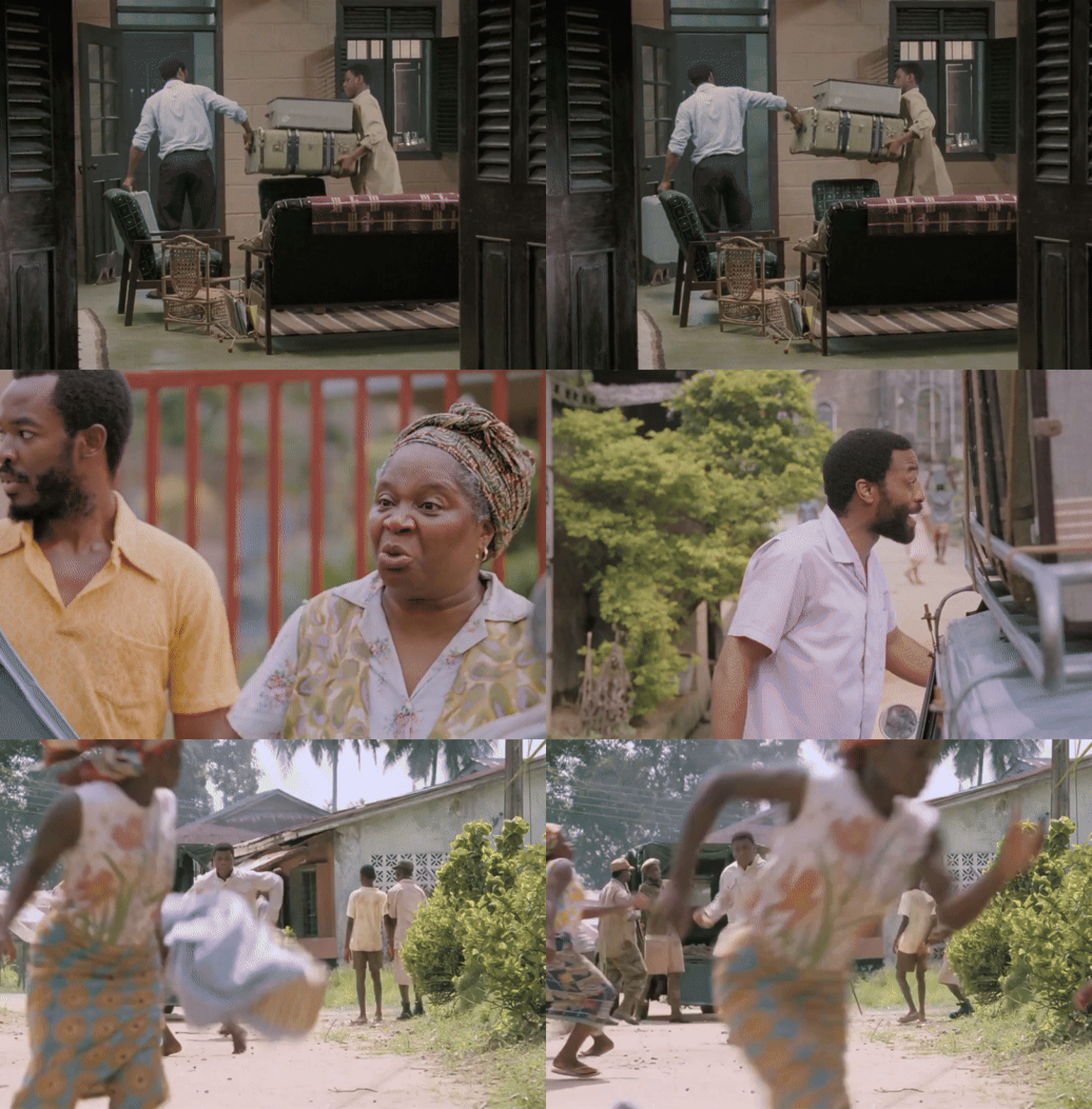
Half of a Yellow Sun (2013) is a visually stunning film, and its cinematography plays a huge role in bringing Chimamanda Ngozi Adichie’s acclaimed novel to life on the screen. The cinematography team worked meticulously to capture the essence of the story, which is set during the Nigerian Civil War in the 1960s and 1970s, a period that is rich in cultural and historical significance.
The work behind the camera was led by John de Borman, the Director of Photography (DP), who is known for his ability to bring a sense of authenticity and emotion to his visual storytelling.
De Borman’s role was to craft the film’s visual style, which he achieved through a careful selection of locations and a focus on lighting, framing, and composition. He employed a 35mm film format to create a timeless quality in the visuals, giving the audience a sense of both nostalgia and the stark reality of the period. The film’s wide, expansive shots of the Nigerian landscape contrast with the more intimate and focused moments that reflect the personal stories of the characters. This balance between the grand and the personal is central to the cinematography in Half of a Yellow Sun.
The film’s color palette is another key aspect of its cinematography. The vibrant, saturated colors bring life to the Nigerian setting, while the more muted tones reflect the darker moments of the story, particularly during the war scenes. These contrasts in color helped emphasize the emotional shifts in the narrative. The work of the cinematography team was further complemented by the use of natural light, which added to the authenticity and realism of the film.
Biyi Bandele, the director, worked closely with de Borman to ensure that the cinematography aligned with the film’s tone and message. Bandele’s direction emphasized the importance of visual storytelling, and he made sure that every frame served the purpose of enhancing the narrative. Together, they created a visual language that not only captured the physical and emotional landscapes of the characters but also the broader historical context.
While John de Borman’s role as the cinematographer was pivotal, the collaboration with other departments, such as production design, also played a significant role in shaping the film’s overall visual identity. Andrew McAlpine, the production designer, helped create sets and environments that were historically accurate, which added to the film’s authenticity. The work done on the sets was crucial in supporting the cinematography, particularly in scenes where the backdrop played a vital role in reflecting the characters’ situations.
The film was shot across five weeks in Nigeria, specifically in Tinapa Studio and Creek Town, which provided the perfect setting for capturing the essence of the Nigerian Civil War era. This choice of location further grounded the film in the reality of the time period, with the camera capturing both the beauty and the chaos of the surroundings. The team’s attention to detail and their understanding of the visual language necessary to convey the weight of the story made the cinematography a powerful aspect of Half of a Yellow Sun.
In addition to the visual contributions of John de Borman and the direction of Biyi Bandele, the editing by Chris Gill ensured that the cinematography was used to its full potential. The pacing of the film, combined with the striking visuals, helped to immerse the audience into the world of the film, keeping them engaged and emotionally invested throughout.
Ultimately, the cinematography of Half of a Yellow Sun is a testament to the dedication and skill of the team behind the camera. From the sweeping landscapes of Nigeria to the intimate close-ups of the characters, the film uses every frame to tell a story of love, loss, and resilience during one of Nigeria’s most tumultuous periods. Through careful planning, collaboration, and attention to detail, the cinematography brings the emotional core of the story to life in a way that words alone could not.
Rattlesnake: The Ahanna Story (2022)
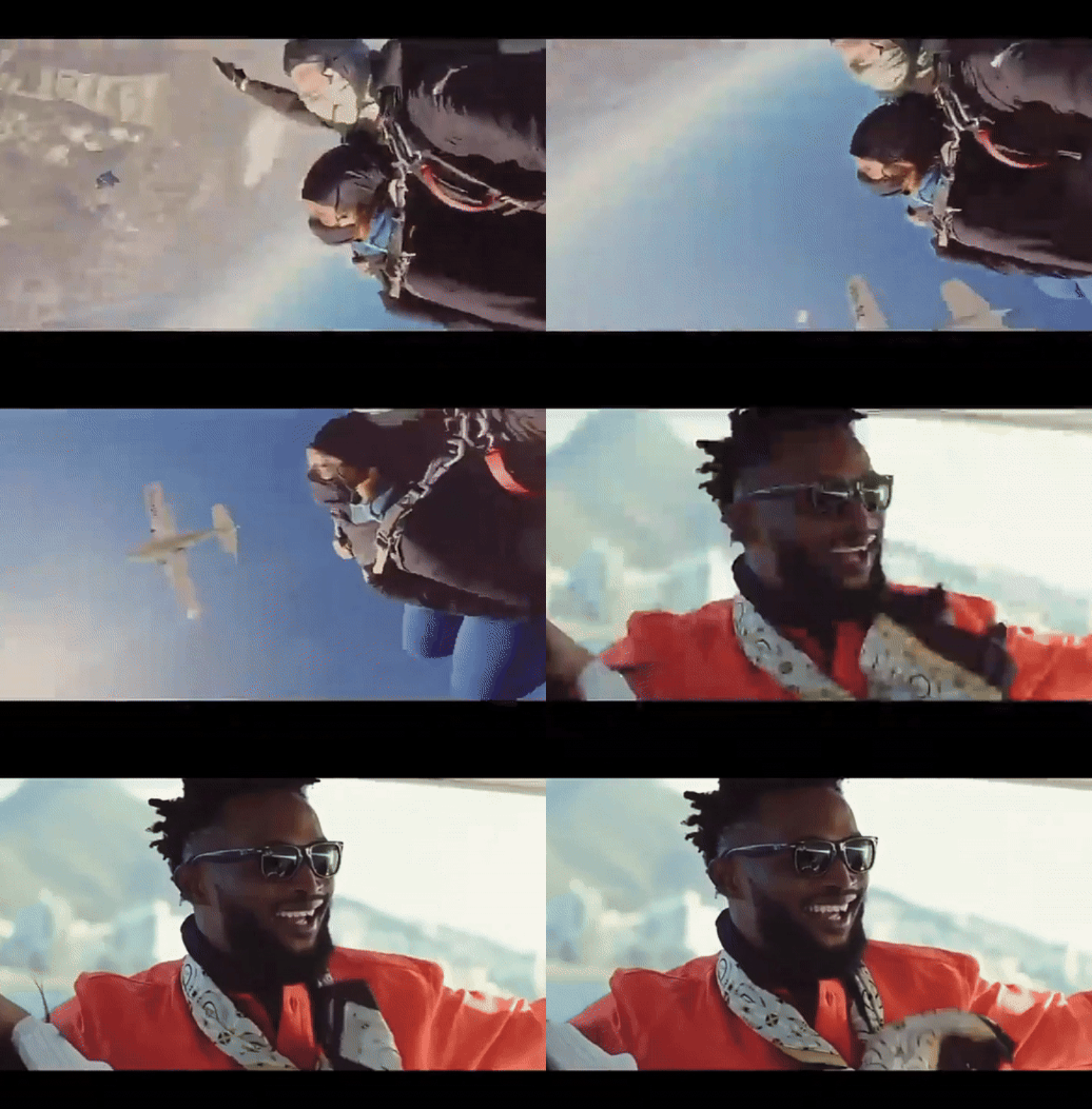
Rattlesnake: The Ahanna Story (2020) is a gripping Nigerian crime drama that takes a fresh approach to storytelling, thanks to its exceptional cinematography, which captures both the dark intensity and emotional complexity of the narrative. The cinematography plays a pivotal role in defining the film’s noir-like atmosphere, using the interplay of lighting and shadow to underscore tension, with dark, moody lighting evoking the gritty underworld.
This film delves into the life of Ahanna, a young man drawn into a world of crime due to the injustices he experiences. The cinematography, spearheaded by a team of skilled professionals, played a crucial role in giving life to the film’s atmosphere and intensity, turning each scene into a powerful visual experience. The movie was directed by Ramsey Nouah.
At the heart of the film’s cinematographic achievement is Muhammad Atta Ahmed, the Director of Photography (DP), whose keen eye for detail and ability to manipulate lighting brought a raw and edgy feel to the film. The team worked tirelessly to maintain visual consistency, with Segun Adekoya as the First Assistant Camera and Greyvein Daniel Anusiem as the Second Assistant Camera, ensuring that the action scenes, as well as the emotional moments, were captured with precision.
Notably, Jeremiah Irabor Anthony’s role as the drone operator was instrumental in creating sweeping aerial shots that offered a unique perspective on the action, further elevating the narrative. Dickson Godwin and Emmanuel Olajide, as camera operators, added their expertise in framing shots that not only told a story but also heightened the tension and drama of each moment. Their work captured both the gritty environment and the inner turmoil of the characters.
The film also benefited from the contributions of key crew members like Robert Adewale James and Patrick Jibunoh, both of whom served as Best Boy Light, ensuring that the lighting complemented the mood and tone of each scene. Their efforts were supported by Fatai Jimoh, a Grip, and Abass Malum, the Best Boy Grip, who worked behind the scenes to guarantee that every scene’s technical requirements were met with precision.
The team’s commitment to achieving visual excellence was further demonstrated by Jerry Ogbe, the Digital Imaging Technician, who ensured that the film’s visual elements remained consistent in post-production. Meanwhile, Haruna Sadu’s role as Key Grip was essential in managing the complex setups required for action sequences, while Uche Stephen and Unwanabasi Inyang Uteh, both assistant camera operators, were instrumental in supporting the cinematographic team’s vision.
Matthew Yusuf, as Gaffer, managed the lighting to create contrasts that helped bring out the characters’ emotions, making the viewer feel the weight of their decisions and struggles. Through their collective effort, this team of cinematographers crafted a visual experience that stands out in Nigerian cinema.
The film’s visual storytelling didn’t go unnoticed. Rattlesnake: The Ahanna Story garnered multiple awards for its cinematography, including Best Cinematographer at the Africa Magic Viewers’ Choice Awards in 2022, the Best Cinematography Award at the Africa Movie Academy Awards in 2021, and Best Cinematographer at the Best of Nollywood Awards the same year. These accolades reflect the cinematographic team’s remarkable ability to capture the story’s essence and emotions with striking imagery, making it a standout film in Nollywood.
In every frame, the cinematography in Rattlesnake: The Ahanna Story speaks volumes. The team succeeded in creating a visual style that heightened the film’s dark, emotional narrative, bringing a sense of realism and urgency to the plot. The result is a film that not only tells a story but also immerses the viewer into its world, making the visual elements just as powerful as the plot itself.
Conclusion
In conclusion, the 12 films discussed here represent the pinnacle of Nollywood‘s visual storytelling, showcasing how the industry has evolved in terms of cinematographic excellence.
From the breathtaking landscapes of Aníkúlápó to the raw intensity of Gangs of Lagos, each of these films demonstrates a unique mastery of visuals, whether through innovative lighting, compelling camera work, or stunning production design. The careful attention to detail, whether in period pieces like ’76 or the gripping tension in King of Boys: The Return of the King, highlights how Nollywood filmmakers are increasingly pushing the boundaries of what can be achieved with the camera.
These films not only tell captivating stories but also establish the visual language of modern Nigerian cinema, confirming that Nollywood’s rise to global recognition is not just in the richness of its narratives but also in its visual artistry. The future of Nollywood holds even greater promise as filmmakers continue to hone their craft and produce visually compelling works that resonate with audiences worldwide.