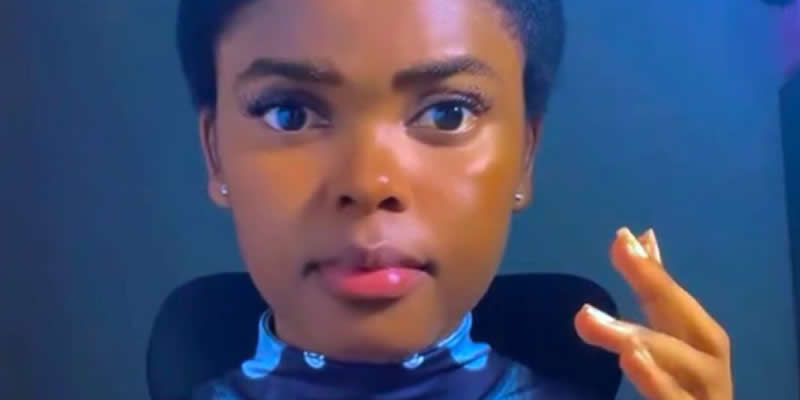
In the ever-evolving world of Nollywood, where creativity meets hustle, the emergence of artificial intelligence is set to challenge traditional filmmaking methods. As AI technology advances, it opens up new possibilities for writers, directors, and production teams, ones that could completely alter how films are created, distributed, and experienced. In the next five years, AI could reshape Nollywood in ways we’ve never imagined. From the automation of scriptwriting to virtual actors and deepfake technology transforming performances, the implications are vast.
This article will dive deep into the potential role AI will play in Nollywood’s future. We’ll explore how AI might revolutionize scriptwriting, alter the casting process, enhance special effects, and even change how audiences interact with films. We’ll also examine the challenges that come with this technological shift and how Nollywood might navigate them in order to stay true to its roots while embracing the future.
How AI Might Change the Face of Nollywood in 5 Years
AI is already seeping quietly into Nigeria’s film industry, from the first hybrid AI feature Makemation which was released in Nigeria cinemas in April 2025, to editors in Lagos using Runway ML and Topaz Video AI for color grading and noise reduction.
Generative tools like ChatGPT and Jasper are beginning to assist Nollywood writers with dialogue and plot beats, yet questions remain about whether they can capture local idioms such as “You see this life, e no balance”. Deepfake and voice-cloning tech promise cost savings, imagine a producer paying ₦50,000 to use an AI version of Pete Edochie instead of hiring the real man for ₦500,000. That alone raises serious questions about consent and copyright.
On the legal front, Nigeria’s current AI framework offers no direct regulation over film AI, leaving artists vulnerable under the Nigeria Data Protection Act (2023) and other general statutes. Meanwhile, the Naija Artificial Intelligence Film Festival (NAIFF) initiative signals growing institutional interest. The Naija Artificial Intelligence Film Festival (NAIFF) is Nigeria’s first film festival dedicated exclusively to AI-powered filmmaking. Founded by Obinna Okerekeocha, NAIFF aims to spotlight a new generation of filmmakers harnessing AI to create groundbreaking cinematic experiences.
Taken together, these developments forecast both opportunity and upheaval, script assistants, virtual extras, automated marketing, and cultural-bias risks will redefine jobs, storytelling, and identity in Nollywood by 2030.
Historical Context & Present State
Nollywood’s journey is nothing short of remarkable. Since its early days in 1992 with Living in Bondage, the industry has been steadily growing, despite facing significant hurdles. Back then, filmmakers had limited resources but boundless creativity, and the industry was largely driven by the success of VHS tapes.
These films, which were often produced on tight budgets, found their way into homes across Nigeria and beyond, especially through the street market boom in places like Alaba, Lagos. For years, Nollywood was a force within its own borders, with production values not always at their best but storytelling always on point.
By the time the 2000s came around, the industry’s rapid growth was propelled by the rise of DVDs, creating an entire ecosystem of production, distribution, and consumption. Yet, despite its success, Nollywood has always been hindered by certain limitations, including the absence of formal production infrastructure, high levels of piracy, and a reliance on self-taught filmmakers. This meant that while Nollywood was pumping out thousands of films, its technical quality often lagged behind international standards.
Fast forward to today, and Nollywood’s transformation is undeniable. In the past decade, Netflix’s involvement in the Nigerian film scene signified a major shift. With international attention came greater investment in production, leading to higher quality films and TV series. Titles like Lionheart (2019), which became Nigeria’s first-ever Oscar submission, and King of Boys (2021), which gained international acclaim, highlighted Nollywood’s growing influence beyond Africa. But even with this expansion, Nollywood still faces many of the same challenges, limited access to cutting-edge technology, a fragmented industry, and piracy.
Now, as the global film industry embraces new technology, Nollywood is at a pivotal moment. Artificial Intelligence (AI) is beginning to reshape how the film industry works worldwide, and Nigeria is starting to catch up.
Early AI Forays in Nigerian Film
Nigeria’s first AI-driven feature film is Makemation. It was released on April 18, 2025. This groundbreaking film is also recognized as Africa’s first full-length feature centered on artificial intelligence. Makemation was produced by Toyosi Akerele-Ogunsiji, a Nigerian entrepreneur and technologist. The film’s debut was celebrated with a special screening at the U.S. Consul General’s residence in Lagos, and was later unveiled by Lagos State Governor Babajide Sanwo-Olu. It was also showcased at the 2024 Global AI Summit in Riyadh, Saudi Arabia.
Makemation achieved significant box office success, grossing ₦32.9 million within its first four days of release, making it the most successful African tech-centered film to date. This move marks an exciting milestone for Nollywood, showcasing the potential for AI to enhance the filmmaking process.
The adoption of AI in Nollywood is still in its early stages, but it’s already having an impact. Filmmakers are increasingly turning to AI-powered tools like ChatGPT for scriptwriting, MidJourney for concept art, and AI-driven editing software to speed up post-production. A recent survey showed that about 35% of Nigerian creatives are already experimenting with AI in their work. While some are still unsure, it’s clear that AI is beginning to make its mark, offering solutions to some of Nollywood’s age-old challenges, like the scarcity of resources and long production timelines.
What’s exciting about this is the potential for AI to revolutionize Nollywood in the next five years. As AI tools evolve, they’ll make it easier for filmmakers to produce higher-quality content at a fraction of the cost.
In short, the historical evolution of Nollywood, its rise, its struggles, and its current success, sets the stage for the exciting possibilities AI holds. As the industry embraces these new technologies, it could pave the way for a more efficient, innovative, and globally influential Nollywood in the very near future.
AI as a Scriptwriting Partner
AI’s potential in Nollywood, especially when it comes to scriptwriting, is more about efficiency, creativity, and enhancing the writing process, rather than replacing the heart of storytelling. As it stands, Nollywood filmmakers often have to balance tight production schedules with the need for compelling narratives. This challenge is where AI tools can step in and shift the paradigm.
In the next five years, it’s not about AI replacing the writers but about AI working alongside them. Scriptwriting has always been the backbone of Nollywood’s appeal, but the sheer volume of content the industry churns out every year means the creative process often operates under constraints.
AI could be used to assist scriptwriters by providing a more efficient approach to generating ideas, building out story structures, or even crafting dialogues that resonate with the audience. The AI tools that are currently available, like ChatGPT or even specialized film script AI, can already offer suggestions for plot points, character development, or narrative flow.
For instance, imagine a Nollywood writer tasked with creating a script for a romantic comedy or a crime thriller within a tight deadline. AI could generate a rough draft based on genre-specific templates, tone analysis, and trending topics in popular culture. Writers could then refine these drafts, adding their personal touch, unique cultural elements, and deep local insight. This collaboration between human creativity and AI’s ability to process vast amounts of data could lead to a more productive and innovative scriptwriting process.
On top of that, AI could be used to break down the specific nuances of Nollywood’s diverse audience. Data on what types of characters, themes, or storylines resonate with viewers could help scriptwriters shape their content to be more engaging and marketable. For example, if AI detects a rising interest in supernatural dramas or a growing demand for more female-centric narratives, it could suggest themes and plotlines that align with these trends.
But there’s also a major hurdle here, Nollywood’s storytelling is deeply rooted in its cultural authenticity. Writers draw on rich, complex local traditions, idioms, humor, and societal issues to create characters and situations that speak directly to Nigerian audiences. AI, no matter how advanced, could struggle with these subtleties. It can generate stories based on patterns but cannot fully capture the emotional depth of local experiences, making the human element crucial in keeping the scripts grounded in reality.
The future of AI in Nollywood scriptwriting lies in this partnership between technology and human writers. AI is poised to enhance productivity, open up new creative possibilities, and even aid in making the writing process more structured and efficient. However, it will remain a tool that serves the creative process, with the writer’s cultural understanding and emotional insight continuing to play an indispensable role in ensuring the authenticity of the final script.
In conclusion, AI isn’t here to take over the scriptwriting process in Nollywood. Instead, it will likely change how scripts are developed, opening new doors for collaboration and innovation while respecting the human creativity that forms the backbone of the industry’s storytelling.
Virtual Performances & Deepfakes
The idea that an actor doesn’t have to be physically present to appear in a Nollywood film used to sound like science fiction. But today, it’s already inching into our reality, and in five years, virtual performances and deepfakes might shift how we define performance itself in Nigerian cinema. Imagine resurrecting legends like Sam Loco Efe or blending Ramsey Nouah’s face onto a younger actor’s body to play a 25-year-old version of himself in a prequel. That’s no longer a wild imagination. With how fast deep learning and AI-powered facial mapping are evolving, it’s a real possibility Nollywood will have to grapple with, and sooner than most think.
Some production houses are already experimenting with voice cloning and face-replacement technologies in post-production. It’s quiet for now, largely because of cost and access, but the signs are there. In fact, globally, deepfake tech is advancing so rapidly that by 2027, high-fidelity face-swapping might be as common as green screens are today. Nollywood might not adopt at that exact speed, but as tools get cheaper and more user-friendly, Nigerian filmmakers, especially the tech-savvy indie crowd, will likely start using them to stretch casting options and visual possibilities.
Of course, there are serious questions attached to this. What happens to actors when their likeness can be used without them being on set, or worse, after they’re gone? Will we see a Nollywood actor licensing their digital double for ten roles at once? Or AI-generated extras in crowd scenes to save budget? In a place where labor rights in film are still catching up, these are not small concerns.
But from a creative lens, the possibilities are endless. Directors could stage scenes that were previously impossible. Producers could avoid costly reshoots. Imagine a historical epic where multiple generations of a character are played using one actor’s digitally aged or de-aged face, without breaking immersion.
The next five years won’t just be about adopting new tools, it’ll be about rethinking what performance and presence mean in a Nollywood context. And that shift might challenge not just how we make films, but how we emotionally connect with them.
Post-Production Revolution
The real shift in Nollywood’s post-production won’t just be about speed or ease, it’s about redefining what’s possible for local filmmakers who’ve spent decades working with patchy tools and unstable power. Right now, tools like Runway ML and Topaz Video AI are helping a few editors upscale old 480p market footage, smooth out shaky scenes ruined by generator noise, and polish visual effects that once took weeks.
But in five years, that kind of AI won’t just be a bonus, it will become the standard. Directors won’t need to beg editors for last-minute corrections. A single prompt might handle noise removal, color grading, and motion tracking all at once. What used to be “post-production stress” will feel more like quick decision-making.
This is huge for Nollywood, especially when you think about how fast films are produced here. AI can match that pace. It can turn a dusty village scene shot in poor lighting into something with cinematic warmth. And it doesn’t stop at visuals. The future of subtitles, especially in a country with over 500 languages, will rely on AI that’s been trained to understand our intonations, our slang, and our proverbs. Automated subtitling won’t just mean faster uploads to YouTube or Netflix. It means that a film in Kalabari or Tiv can travel globally without anyone pausing to ask, “What language is this?”
But of course, this wave will shift the workforce. Junior editors, freelance subtitle artists, even some sound assistants may find themselves edged out by tools that can finish in ten minutes what they once did in two days. At the same time, new roles are emerging, people who don’t just “edit,” but who train AI on African visuals and voices. Prompt engineers, dataset trainers, cultural consultants for AI-generated audio and visual output, roles Nollywood hasn’t fully imagined yet, but which will become vital if we want our stories to still feel local even when built with global tools.
That’s the big picture: AI in Nollywood post-production isn’t just a convenience. It’s a power shift. And in five years, the people who know how to use it, and teach it our world, will be the ones driving the industry forward.
Smarter Marketing & Distribution
In five years, Nollywood will see a transformation not only in how films are made but also in how they reach audiences and generate revenue. AI-powered marketing and distribution are the game-changers, allowing filmmakers to understand and connect with their audience in ways that were once unimaginable.
Imagine this: AI platforms like Lumen5 and Pictory are already being used to test multiple versions of trailers, tailoring each one to specific audience segments. For Nollywood, this could mean creating trailer versions that are fine-tuned for different markets: one optimized for the diaspora in the UK, another for South African viewers, and yet another for Nigerians at home. AI will analyze the engagement patterns from these trailers and keep tweaking them in real time, honing in on the exact visuals, music, and dialogue that draw the most attention from each group. Filmmakers won’t have to guess what works for a particular audience. The data will tell them.
As this technology becomes more integrated into Nollywood’s marketing processes, the impact on revenue models will be undeniable. Local streaming platforms are already experimenting with pay-per-view models, but AI will take this a step further. By tracking viewers’ habits and preferences, these platforms will begin recommending Nollywood films with an uncanny level of precision. One person who watches action thrillers on the weekends might suddenly be served a drama-heavy thriller the next time they log in.
For those who prefer romantic comedies or epic historical dramas, AI will understand these patterns and keep delivering films that fit their niche. This kind of smart distribution could lead to a surge in Nollywood films being watched in homes across the world, not because of broad advertising, but because AI knows exactly who will love what, and delivers it with an almost personal touch.
In essence, Nollywood’s marketing and distribution strategies will become less about the “one-size-fits-all” approach and more about personalizing the viewer experience, making each interaction with a film feel curated. And the best part? Filmmakers and distributors will be able to see, almost in real-time, what’s working and what’s not, enabling them to pivot quickly, ensuring their content finds the audience it deserves.
Talent Discovery by Algorithm
In the next five years, talent discovery in Nollywood is poised for a significant shift, thanks to AI algorithms that could transform the way actors are chosen and cast in roles. Instead of relying solely on the traditional casting calls or industry networks, filmmakers may turn to automated casting tools powered by AI to make the process faster, more accurate, and potentially more inclusive.
One experimental pilot, led by a Lagos-based agency, is already testing the waters by using AI to match headshots and showreels with specific script requirements. Rather than having to sift through hundreds or even thousands of actor profiles manually, casting directors will be able to upload their project’s needs, whether it’s a specific age range, look, or even a particular acting style, and let the AI do the heavy lifting. This could open up new possibilities for Nollywood, streamlining the casting process and making it easier to find the perfect actor for any role, regardless of whether they have a well-established name in the industry or not.
However, with this technological breakthrough comes the potential for challenges. AI-driven talent discovery could also raise questions about the balance between democratization and data-gatekeeping. While this method could spotlight fresh, untapped talent, it could also risk overlooking talent that doesn’t meet the algorithms’ specific data criteria.
If AI tools primarily rely on social media metrics, actors with larger followings might be prioritized, leaving hidden gems who don’t have the same online presence in the shadows. This could reinforce the status quo, where big names dominate, and smaller, perhaps more deserving talents, don’t get their chance to shine.
As Nollywood continues to embrace AI in its casting process, the question of how to balance data-driven decisions with a more organic approach to discovering talent will become central. It’s a fine line between harnessing the power of AI to broaden the pool of potential actors and falling into the trap of algorithms that favor established influencers over emerging artists with true potential.
Revenue Generation and Financial Impact
As AI continues to make its mark in Nollywood, it’s likely to have a significant impact on how revenue is generated and distributed within the industry. One of the first areas AI could revolutionize is in box office predictions. Right now, Nigerian filmmakers rely heavily on gut feeling, experience, and traditional marketing methods to estimate the potential success of their films. But AI can change this game entirely.
By analyzing vast amounts of data, viewership patterns, audience demographics, social media trends, and even past performance of similar films, AI tools could provide incredibly accurate predictions about how well a film might perform at the box office. Imagine having the ability to anticipate not only domestic success but international appeal, long before the film is released. This could allow producers and studios to adjust their marketing strategies, release schedules, and even budget allocations, ensuring the best possible chances for financial success.
Beyond forecasting box office numbers, AI could also be used to improve monetization strategies by fine-tuning pricing models for pay-per-view services, or streaming subscriptions, which could lead to increased profits. But it’s not just about how films are marketed, it’s about how content is licensed and monetized.
AI’s ability to analyze and predict trends could open up lucrative opportunities for Nigerian filmmakers to expand into international markets. By identifying where Nollywood films are likely to perform well based on cultural preferences, AI could help guide decisions on licensing, syndication, and partnerships with international platforms or distributors.
Moreover, AI can play a significant role in expanding Nollywood’s reach in merchandising. With the right data insights, filmmakers could identify opportunities to turn popular characters, themes, or franchises into profitable merchandise, from clothing to toys to digital collectibles.
This aspect of AI-driven revenue generation is particularly exciting because it can help Nollywood films tap into an entirely new market, beyond just the box office and streaming platforms. Whether it’s through merchandise or cross-promotions, AI’s predictive capabilities have the potential to unlock new financial opportunities that were previously unexplored in Nollywood.
As the industry moves toward more data-driven strategies, the financial landscape for filmmakers is set to expand, offering a wider variety of ways to monetize their content.
Cultural Identity & Bias
As Nollywood steps into the future, the question of AI’s role in shaping the industry’s cultural identity becomes incredibly important. Right now, AI tools are largely built around Western aesthetics and filmmaking conventions.
These models, designed primarily from a Hollywood or broader international context, are heavily influenced by a preference for “well-lit” scenes and more traditional cinematic structures, often focusing on polished visual elements that fit a global standard. This is where things could start to conflict with Nollywood’s signature style, raw, handheld shots, quick pacing, and a rougher, more authentic look that doesn’t always fit neatly into the glossy molds these AI systems are designed to favor.
The concern here is clear: AI could begin pushing Nollywood filmmakers to adopt a more Westernized look, one that risks erasing the unique flair of Nigerian cinema. The gritty, fast-paced nature of Nollywood films, often made with limited resources, has garnered a distinct charm over the years. It’s part of the essence of Nollywood. Imagine AI suggesting perfectly framed shots, well-lit scenes, or smooth transitions that don’t align with the chaotic, often unrefined energy of a production from Alaba or other local hubs. That could be a loss of authenticity for Nollywood, and in turn, for its audience who connect with that rawness.
But there’s a way forward. The growing conversation within the industry calls for the creation of more localized AI corpora, essentially a digital repository of African stories, languages, and cultural nuances. Think of it like a treasure trove of Yoruba folktales, Nollywood scripts, and historical accounts that can be used to train AI in a way that respects and amplifies African storytelling. Without this, AI runs the risk of perpetuating a kind of cultural erasure, where African voices are overshadowed by a Western-dominated narrative, simply because the tools haven’t been trained on the vastness of Africa’s cultural wealth.
Building a local AI corpus is more than just a technical requirement, it’s a necessity to ensure that African filmmakers aren’t forced to adapt their vision to a foreign mold, but rather can use the potential of AI to enhance and elevate their work while staying true to their cultural roots. This move could safeguard the integrity of Nollywood’s identity and ensure that AI, while incredibly powerful, doesn’t strip the industry of what makes it unique in the first place.
Economic Disruption & New Opportunities
As AI continues to make its way into Nollywood, there’s a real concern about the economic impact it will have on the industry. A recent study predicts that by 2030, anywhere from 20 to 30 percent of entry-level film roles could be automated.
This isn’t just a distant worry, it’s something that the industry will need to prepare for now. In a market where many people rely on these roles as their entry point into the creative world, the introduction of AI could leave a significant gap. Junior editors, sound assistants, and even entry-level crew members could find themselves out of work if they don’t adapt. It’s a harsh reality, but it’s one that could become inevitable if we don’t start thinking about solutions today.
But it’s not all doom and gloom. While job displacement is a concern, AI is also opening up new opportunities for those who are willing to upskill. There’s a growing recognition that AI literacy will be a key component of future success in Nollywood and the broader African creative sector.
Training initiatives like those from Innovation Village and Paradigm HQ are already laying the groundwork to help creatives develop the necessary skills to work alongside AI. These programs are designed to teach emerging filmmakers, editors, and other creatives how to leverage AI tools to enhance their work, rather than be replaced by them.
This could mean a new wave of AI-trained talent entering the industry, people who can act as AI prompt engineers, data model trainers, or even AI-assisted scriptwriters. As Nollywood continues to evolve, those who take the time to understand the intersection of AI and film will be in high demand, finding roles in everything from post-production to content distribution.
The challenge now is ensuring that the people who have helped build Nollywood into what it is today don’t get left behind in the process. Upskilling will be crucial, not just for individual growth, but for the industry’s ability to thrive in an AI-powered future.
Regulatory & Ethical Framework
As AI increasingly becomes a part of Nollywood’s creative landscape, there’s an urgent need for a regulatory framework that addresses its unique challenges. Right now, there’s a bit of a regulatory vacuum in the Nigerian film industry when it comes to AI. While there are general laws governing technology in Nigeria, like the NDPA (Nigeria Data Protection Act) from 2023, there’s no specific regulation aimed at AI in the context of film production.
This leaves a lot of room for potential misuse or exploitation, especially as technologies like deepfakes and AI-generated content become more widespread. The government and regulatory bodies haven’t yet caught up with the specific nuances of AI in the creative space, and this gap could cause issues down the line, from data privacy concerns to ownership rights.
In light of this, there are calls for institutions like the National Film and Video Censors Board (NFVCB) and the Nigerian Communications Commission (NCC) to step up and develop guidelines specifically tailored to the use of AI in Nollywood. One of the key suggestions is the creation of an AI content labeling system.
This would allow audiences to know whether a film or a scene has been generated or altered by AI, helping to preserve transparency and trust. Alongside this, there’s a need for consent registries for digital doubles, essentially, a way to ensure that any AI-generated likeness of an actor or public figure has been properly approved by the individual involved.
Another area that needs attention is how to handle the royalties and intellectual property rights for AI-assisted scripts. If an AI tool is used to generate part of a script or even a full movie, who owns the rights to the content? The writer? The AI creator? Or the studio that commissioned the work? Developing clear royalty frameworks will be crucial to ensure that those who contribute to the creative process are fairly compensated.
With the rapid rise of AI in Nollywood, these regulatory and ethical issues are no longer just theoretical, they need to be addressed now to avoid chaos in the future.
Conclusion
As Nollywood stands on the cusp of an AI-driven transformation, it’s crucial to remember that AI is not here to replace the heart and soul of the industry, it’s here to augment it. The creativity, passion, and hustle that have been the foundation of Nollywood’s success, from its early days on VHS to its global streaming presence today, must remain at the forefront.
AI can empower filmmakers by streamlining processes, enhancing visual effects, and opening up new revenue channels, but it’s the people behind the stories, the actors, the writers, and the visionaries who give Nollywood its distinct identity.
However, this transformation needs careful guidance. It’s clear that AI will disrupt the traditional ways of working, and while it brings many exciting opportunities, there are also risks, especially concerning job displacement, the erosion of local storytelling, and cultural authenticity. This is why it’s more important than ever for all stakeholders, creatives, technologists, industry unions, and regulators, to collaborate and shape a future where AI’s potential can be harnessed without compromising what makes Nollywood unique.
There’s an urgent need for a collective roadmap, one that ensures the industry’s growth is equitable, inclusive, and culturally sensitive. By coming together, we can safeguard livelihoods, protect the essence of Nigerian storytelling, and ensure that Nollywood’s future remains as vibrant and dynamic as it has always been. So, let’s not wait for the change to happen to us, let’s drive it.
Keyword: How AI Might Change the Face of Nollywood in 5 Years
Meta Description: Explore how AI could reshape Nollywood in the next five years, revolutionizing areas like scriptwriting, production, distribution, talent discovery, and revenue generation, while also presenting new opportunities and challenges for the industry.