For decades, Nollywood has been one of the most powerful storytellers in African pop culture, shaping not just what we watch, but how we think. But when it comes to mental health, that influence has been… complicated. Ask anyone who grew up watching Nollywood in the ‘90s and early 2000s, and they’ll tell you the same thing: madness was almost always painted with one brush, loud, violent, exaggerated, and often the result of juju, a curse, or divine punishment.
Whether it was the “mad man on the street” trope, the woman who ran mad after sleeping with a rich man, or the dramatic wailing character punished for ancestral sins, mental illness was rarely treated as a medical condition. It was either spiritual or laughable. And that’s how generations of Nigerians learned to either fear it or make fun of it.
But slowly, and perhaps more importantly, intentionally, that narrative is shifting.
A new generation of Nollywood filmmakers, screenwriters, and actors are starting to reframe what mental illness looks like on screen. These creators are going beyond the clichés and getting to the heart of the matter: the quiet sadness, the invisible panic, the trauma buried in silence, the social pressure that overwhelms young minds, and the everyday people who are struggling behind closed doors.
They’re showing us that mental illness isn’t always dramatic or supernatural. Sometimes, it’s a woman who just had a baby and suddenly can’t connect with her child. Sometimes, it’s a young boy in Lagos overwhelmed by the pressure to succeed. Sometimes, it’s a political aide who can’t sleep because of what he’s seen.
These portrayals matter deeply, because Nollywood doesn’t just reflect society, it also shapes it. And for far too long, our films have misinformed audiences about what mental health truly is. But now, we are seeing a welcome shift: a more grounded, honest, and culturally relevant approach to mental health in Nigerian cinema.
In this piece, we spotlight 10 standout moments when Nollywood got it right, not perfect, but right in all the ways that matter. These are the moments when Nollywood did more than just entertain. They educated. They reflected. They healed. And hopefully, they’ve started a conversation that will only grow louder.
10 Times Nollywood Got Mental Health Representation Right
For years, Nollywood painted mental illness with the same tired strokes, madness as a curse, depression as laziness, trauma as weakness, and therapy as something “white people do.” But that story is evolving. A new generation of storytellers is peeling back the surface, digging into the real struggles behind the silence. They’re not just showing mental health, they’re humanizing it.
Below are ten powerful moments when Nollywood got it right, not just in performance or plot, but in truth, in empathy, and in how deeply they mirrored our lived Nigerian realities.
1. Fine Wine (2021)

Portrayal: Mild depression in older age
Character: Seye George (played by Richard Mofe-Damijo)
When most people think of depression, they picture someone in their twenties or thirties, young, overwhelmed, maybe unemployed, maybe heartbroken. But what Nollywood rarely talks about is what that same emptiness looks like in older men, successful, silver-haired, smiling men who have checked all the boxes society gave them… but still go to bed feeling profoundly alone.
That’s where Fine Wine quietly surprises you.
Richard Mofe-Damijo plays Seye George, a wealthy, well-respected businessman who seems to have it all. His suits are clean, his home is pristine, and he’s got the kind of voice that still makes you pause when he speaks. But look a little deeper, and the signs start showing. His children are barely present in his life. He’s divorced. His house, though beautiful, echoes with silence.
It’s subtle, there’s no dramatic breakdown, no medication bottle lying on the table. Instead, the film leans into the small things: how he lingers in empty rooms, how his face shifts when no one’s watching, how he lights up only when someone truly sees him. That’s what Fine Wine gets right, the quiet sadness of older men who feel emotionally invisible.
While Richard Mofe-Damijo’s character does not explicitly suffer from depression, the film subtly explores themes of loneliness and emotional neglect, which may suggest underlying emotional struggles.
In a country like Nigeria, where older men are expected to be eternally strong, composed, and emotionally untouchable, this portrayal is rare. Seye isn’t raging or weeping. He’s functioning, but that’s the point. Sometimes, depression doesn’t look like madness. Sometimes, it looks like a man who has everything but feels nothing.
What makes this story even more layered is his relationship with Kaima (played by Ego Nwosu), a much younger woman he meets by chance. Their relationship could’ve been written off as another tired age-gap fantasy. But here, it becomes something more emotional than physical. Seye finds in her what he’s been craving: someone who listens, who sees him beyond his wealth, who gives him space to be vulnerable. Kaima, in turn, finds what so many young women lack, respect, patience, and presence.
Fine Wine doesn’t scream “mental health.” It doesn’t try to label Seye. But that’s exactly why it works. His story reflects the emotional displacement many older Nigerian men carry in silence, men who feel lost after retirement, divorce, or watching their families move on without them. It acknowledges that depression isn’t just a young man’s disease. It’s an everyone disease, and sometimes, all it takes is one unexpected connection to bring someone back to life.
2. Ehi’s Bitters (2018)
Portrayal: Emotional Abuse, Societal Expectations, and the Quest for Self-Worth
Character: Ehisoje (portrayed by Enado Odigie)
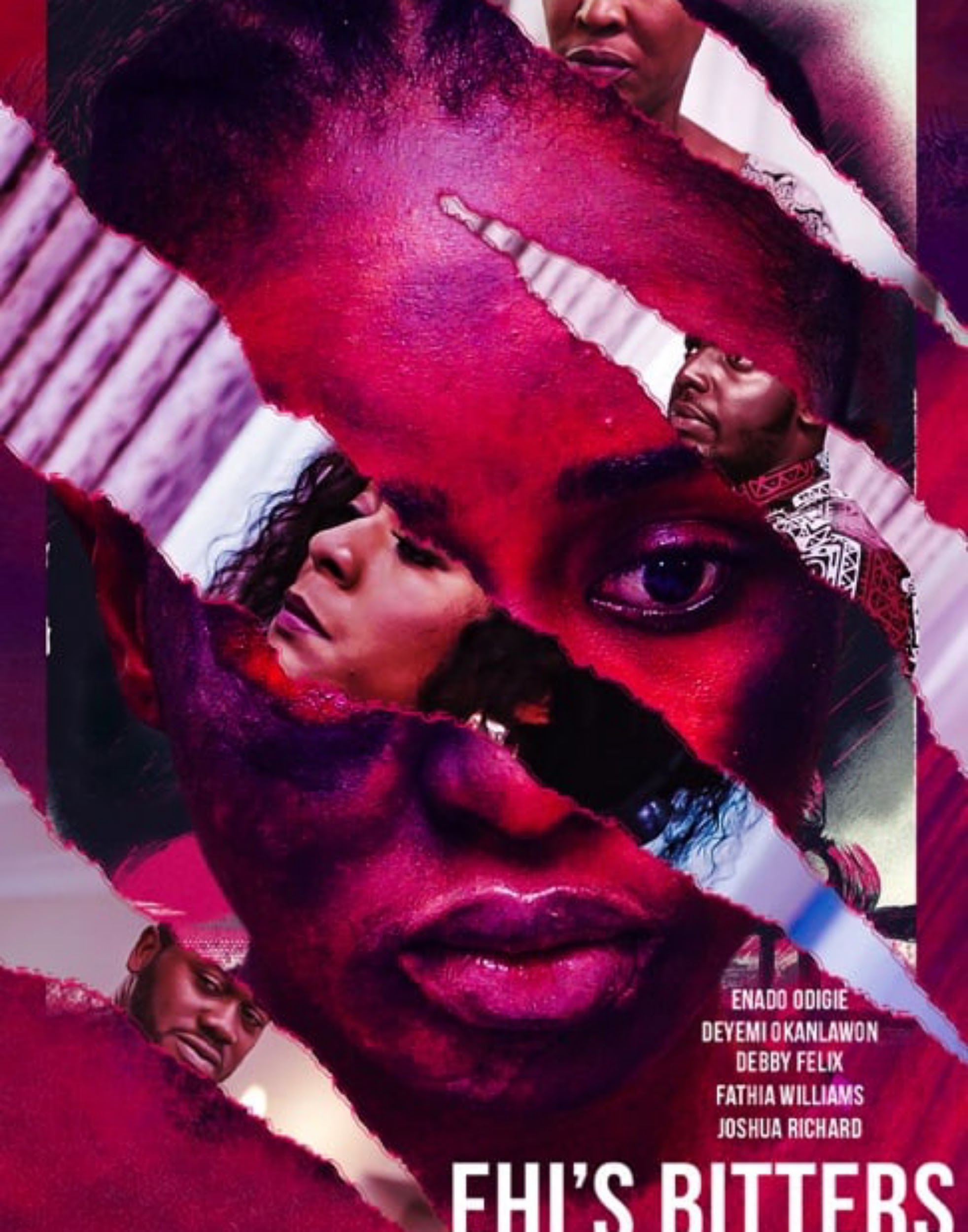
If there’s one thing Ehi’s Bitters does with unflinching honesty, it’s laying bare the silent, often invisible scars of emotional abuse and societal judgment. The film follows Ehisoje, a young woman whose life is marred by her mother’s relentless criticism and the weight of societal expectations that deem her unworthy due to her unmarried status.
Directed, written, and produced by Biodun Stephen, Ehi’s Bitters delves into the complexities of familial relationships and the profound impact of emotional neglect. From a tender age, Ehisoje is subjected to verbal and physical abuse by her mother, who holds her responsible for her perceived shortcomings. This toxic dynamic shapes Ehisoje’s self-esteem and her understanding of love and self-worth.
As Ehisoje matures, her journey is further complicated by societal pressures that demand perfection and conformity, especially from women. The film portrays her struggles with relationships, self-identity, and the quest for acceptance in a world that often judges women harshly. Through Ehisoje’s experiences, the narrative sheds light on the broader issues of gender inequality and the stigmatization of women who do not conform to societal norms.
What stands out in Ehi’s Bitters is its nuanced portrayal of trauma and resilience. The film does not resort to melodrama but instead presents a raw and authentic depiction of a woman’s fight to reclaim her narrative. Ehisoje is not depicted as a passive victim but as a survivor who, despite the odds, seeks healing and empowerment.
The performances, particularly that of Enado Odigie, are compelling and deeply moving. Odigie brings depth and authenticity to the character, capturing the nuances of pain, strength, and hope. Her portrayal resonates with anyone who has faced adversity and sought to rise above it.
Moreover, the film’s cinematography and soundtrack complement its themes, enhancing the emotional depth of the story. The use of music, including a revised version of Onyeka Onwenu’s “Bia Nulu,” adds layers to the narrative, evoking a range of emotions from sorrow to hope.
Ehi’s Bitters is more than just a film; it is a conversation starter. It challenges viewers to reflect on the societal norms that perpetuate gender inequality and the importance of empathy and understanding in addressing emotional trauma. The film encourages a dialogue about the need for mental health awareness and the dismantling of stigmas surrounding emotional abuse.
In a society where discussions about mental health are often taboo, Ehi’s Bitters stands as a testament to the power of storytelling in sparking change. It reminds us that healing begins with acknowledgment and that every individual deserves love, respect, and the opportunity to define their own worth.
3. Oga John (2019)
Portrayal: Obsessive-Compulsive Disorder (OCD) and suicidal ideation
Character: Alero (played by Ade Laoye)
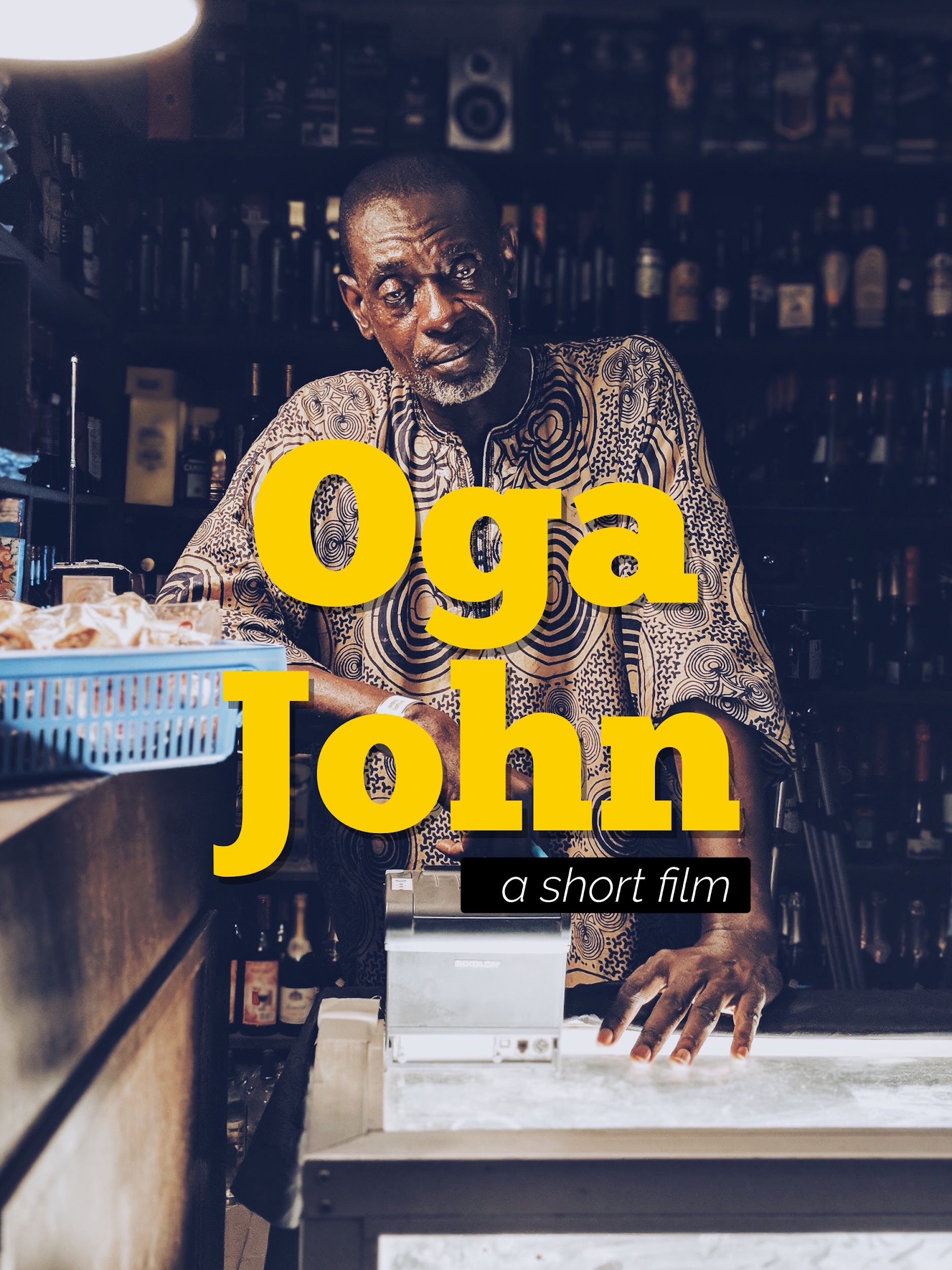
Oga John is a 2019 Nigerian short film that stands out for its nuanced portrayal of Obsessive-Compulsive Disorder (OCD) within a Nigerian setting. Directed by Tolu Ajayi, written by Oje Ojeaga, and produced by Bolanle Akintomide, this approximately 10-minute drama captures the daily realities of mental health struggles through a minimalist lens.
The film centers on Alero, played by Ade Laoye, whose compulsions, seen in subtle but deliberate actions like rearranging items on a shop counter, speak volumes about her inner turmoil. The shop, run by the titular Oga John (Joseph Imoikor), becomes a poignant stage for her encounter with despair and the faintest glimmer of hope when she purchases rat poison in a moment of crisis.
What elevates Oga John is its delicate treatment of mental health within Nigerian cultural realities. The film addresses how issues like OCD are often misunderstood or trivialized, sometimes dismissed as spiritual problems. Alero’s mother’s voice note urging prayer exemplifies this societal tendency. Yet, the film does not leave viewers in despair; it points toward community awareness and support, symbolized by the card from the Mentally Aware Nigeria Initiative (MANI) that Oga John inadvertently slips into Alero’s bag.
Cinematographically, Muhammad Atta Ahmed’s work is sparse but effective, close-ups and a limited color palette intensify Alero’s isolation and compulsions without unnecessary exposition. This approach respects the audience’s intelligence and invites empathy rather than pity.
Critically, Oga John received acclaim for its storytelling and social impact, notably earning a nomination for Best Short Film at the 7th Africa Magic Viewers’ Choice Awards (AMVCA) in 2020. The film has been mentioned on platforms like IMDb and Nollywood Reinvented, where it continues to provoke conversations on mental health stigma.
In all, Oga John exemplifies how Nigerian cinema can address complex psychological issues authentically and sensitively, balancing cultural context with universal themes of pain, resilience, and hope.
4. For Maria Ebun Pataki (2020)

Portrayal: Postpartum Depression
Character: Derin (played by Meg Otanwa)
Postpartum depression is one of those topics that many Nigerian families don’t talk about, not because it’s rare, but because it’s wrapped in silence, shame, and misunderstanding. That’s why For Maria Ebun Pataki feels like such a breakthrough. Directed by Damilola Orimogunje and released in 2020, this film pulls back the curtain on the quiet, invisible battle some women face after childbirth, without any of the usual dramatics or spiritual explanations Nollywood often leans on.
The story centers on Derin, a new mother who’s struggling emotionally after the birth of her daughter. But instead of the usual tears and wailing, the film shows us the heaviness through silence, long, wordless scenes where Derin is physically present but emotionally shut down. It’s in these moments that you really feel the isolation and numbness postpartum depression brings.
Family dynamics make the picture even more complex. Derin’s husband, played by Gabriel Afolayan, wants to be supportive but clearly doesn’t know how to reach her. Meanwhile, her mother-in-law dismisses Derin’s feelings altogether, calling it ingratitude. This is so familiar in Nigerian homes, where mental health is often misunderstood or ignored, especially when it comes to women’s emotional struggles after childbirth.
Meg Otanwa’s performance is subtle but powerful. She doesn’t need to say much, her body language, her eyes, the way she carries herself speaks volumes. You see the storm raging inside without a single shout. That kind of non-verbal storytelling invites us into Derin’s internal world, making her pain and confusion feel real and deeply human.
What makes For Maria especially important is that it doesn’t treat postpartum depression as a plot device or a spiritual test. It treats it as a real medical condition, one that deserves attention, empathy, and understanding. In a country where so many women silently suffer and are judged for it, this film is a much-needed step toward changing the conversation about maternal mental health.
5. MTV Shuga Naija (2013–2023)

Portrayal: Depression, Anxiety, Trauma
Characters: Weki, Sophie, Leila, and others
When MTV Shuga hit Nigerian screens in 2013, it was more than just a teen drama, it was a bold, real, and sometimes uncomfortable reflection of the lives young Nigerians actually live. This series didn’t sugarcoat the issues; it tackled head-on mental health struggles, sexual trauma, and the pressures teenagers face in a society that often refuses to talk about these things.
Take Weki, Sophie, and Leila, these characters weren’t just fictional faces. They were real stories, mirroring the silent battles so many youths endure. Weki’s fight with depression and anxiety wasn’t glamorized or simplified. It was messy, raw, and honest, capturing how mental health issues can feel overwhelming, especially in a culture that stigmatizes such struggles.
Sophie’s storyline was especially powerful, shedding light on sexual abuse and the lasting trauma it leaves behind. The show didn’t shy away from showing how such experiences can lead to post-traumatic stress and affect someone’s mental and emotional wellbeing over time.
And then there was the difficult subject of suicide ideation. MTV Shuga was brave enough to bring this to the forefront, breaking the silence on a topic often avoided in Nigerian homes. It created space for viewers to recognize the signs, understand the pain, and consider that those who think about suicide are crying out for help, not attention.
One of the most important things the show did was portray counseling and therapy as real, valid paths to healing. In many Nigerian settings, seeking professional mental health support is still frowned upon, seen as a sign of weakness or something “not for us.” But MTV Shuga flipped that narrative by showing characters going to therapists, attending support groups, and leaning on mental health professionals. It normalized the process and made it something viewers could relate to and aspire toward.
Another key aspect was the emphasis on peer support. Characters like Leila and Sophie supported each other, demonstrating that sometimes, the best help comes from someone who truly understands what you’re going through. This peer-to-peer connection underscored the power of community and empathy in overcoming mental health challenges.
MTV Shuga Naija wasn’t just entertainment. It was a movement, a conversation starter, and a lifeline for many. By weaving real, raw mental health issues into stories shaped by Nigerian youth experiences, it empowered a generation to face their struggles openly and without shame.
In a country where mental health often remains in the shadows, MTV Shuga shone a much-needed light, reminding us all that it’s okay not to be okay, and that seeking help is one of the strongest things anyone can do.
6. Crazy People (2018)
Portrayal: Dissociative Identity Disorder (DID) / Mental Breakdown
Character: Ramsey (played by Ramsey Nouah)
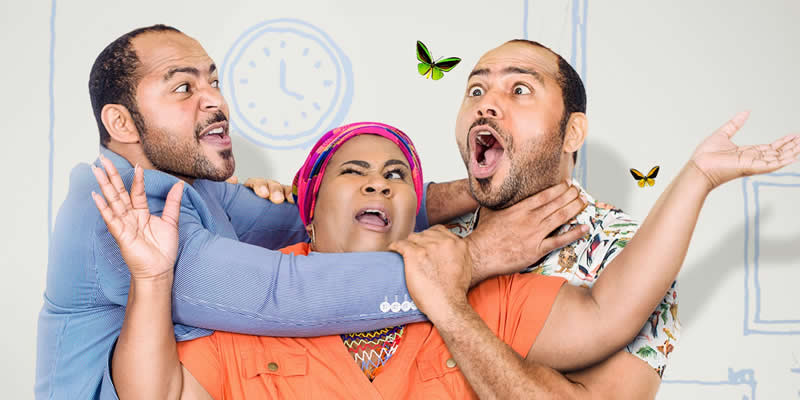
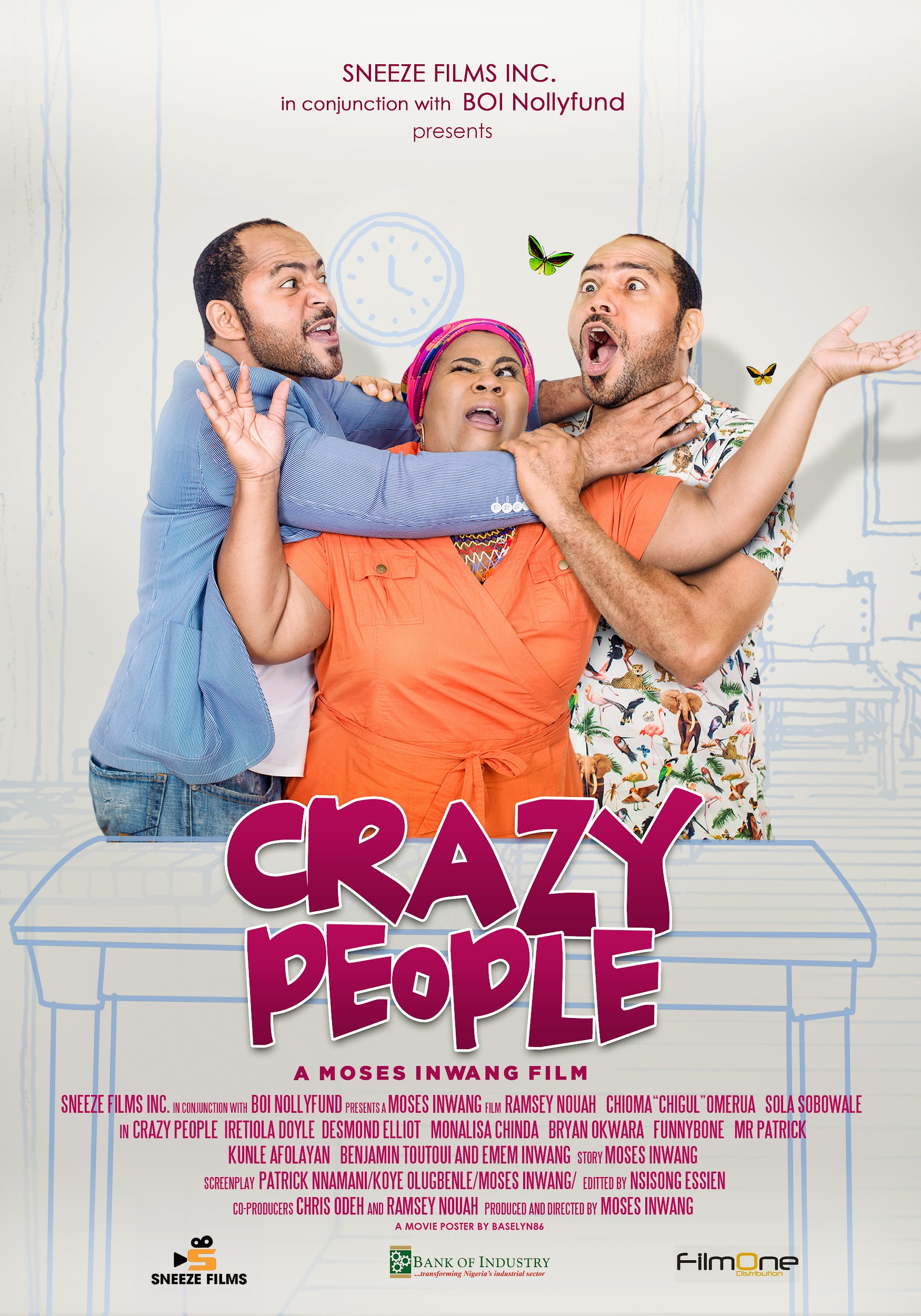
Mental health in Nollywood doesn’t often take a sharp look at the pressures faced by celebrities themselves, so Crazy People is a rare gem. Directed by Moses Inwang and released in 2018, the film centers on Ramsey, a popular Nollywood actor who comes back after a break only to find out someone else has been living his life and playing his role. This sets off a wild journey where reality and identity blur, and the film dives deep into the mental toll of fame.
What’s really compelling about Crazy People is how it captures the fragile line between sanity and celebrity persona. Max isn’t just fighting an imposter on the outside m, he’s grappling with himself on the inside. The pressure to maintain an image, the anxiety of being watched, and the trauma of losing control of your own story all weigh heavily on him. Ramsey Nouah’s performance brings that psychological chaos to life without tipping into melodrama.
The film also sheds light on a side of the entertainment industry rarely discussed: the mental health challenges that come with the spotlight. Fame isn’t just glamorous, it’s exhausting, isolating, and can lead to real psychological breakdowns. Crazy People doesn’t just raise these issues, it makes you feel them. It’s a mix of satire and seriousness, using humor to ease us into tough questions about identity and the societal expectations placed on public figures.
Why does this matter? Because mental health conversations in Nigeria often ignore the unique pressures faced by celebrities. Crazy People opens the door to that conversation, reminding us that behind the glitz and glamour, there are real people struggling with trauma and mental health challenges. It challenges the stigma around mental illness in the entertainment world and encourages empathy for those who live their lives in the public eye.
7. King of Boys: The Return of the King (2021)
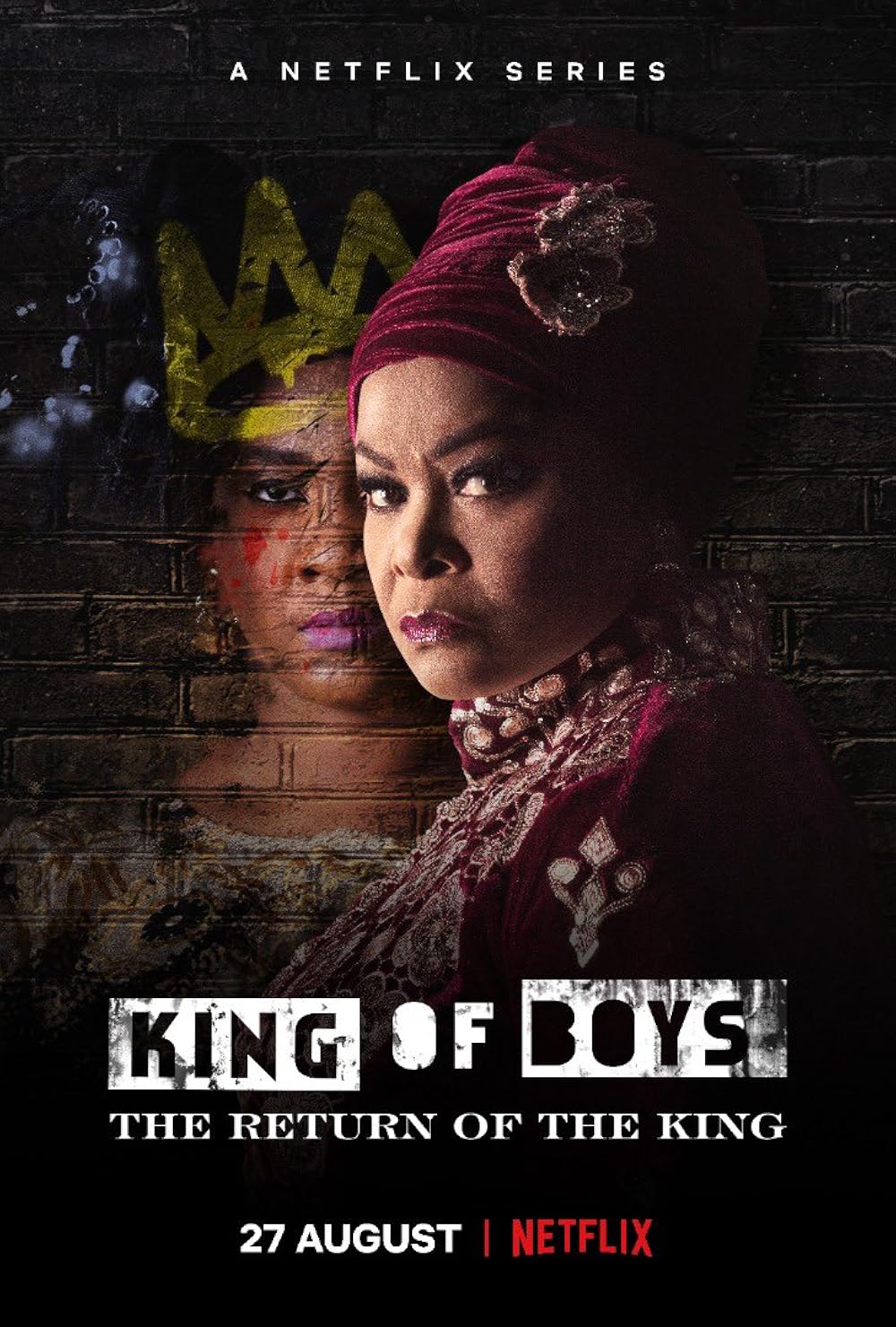
Portrayal: Psychosis & Internal Conflict (Hallucinations and Delusions)
Character: Eniola Salami (played by Sola Sobowale)
If you thought King of Boys was intense, the sequel The Return of the King takes that intensity and adds even more layers, especially when it comes to mental health. Released in 2021 as a Netflix limited series directed by Kemi Adetiba, this story dives deep into the mind of Eniola Salami, played masterfully by Sola Sobowale.
After spending five years in exile, Eniola returns not just to reclaim her power but also to face the ghosts of her past, quite literally. Throughout the series, she experiences vivid hallucinations, often taking the form of her younger self, portrayed by Toni Tones. These ghostly figures aren’t just for drama or scares; they’re a brilliant metaphor for her internal guilt and psychological battles. They confront her, remind her of mistakes, and force her to wrestle with her conscience.
The show does a remarkable job of portraying how the pressure of extreme power can wear someone down mentally. Eniola’s mental state visibly deteriorates under the weight of her ambitions and the enemies she faces. It’s a raw look at how even the strongest can crack under immense stress and unresolved trauma.
What’s especially impressive is how The Return of the King balances supernatural elements with psychological realism. The hallucinations and delusions aren’t just spiritual effects common in Nollywood; they symbolize the complex dynamics of guilt, regret, and internal conflict.
Why does this matter? Because Eniola Salami’s character breaks the mold of typical female power figures in Nollywood. She’s fierce and commanding but also deeply vulnerable and flawed. The series brings much-needed complexity to female characters by showing that power and trauma often go hand in hand, and mental health struggles don’t discriminate based on strength or status.
King of Boys: The Return of the King opens the door for conversations about mental health in spaces of power and influence, areas that are often ignored in Nigerian storytelling. It reminds us that beneath the armor of leadership are real people, grappling with very real psychological battles.
8. Gidi Up (2013–2014)

Portrayal: Anxiety & Panic Attacks
Character: Tokunbo Adepoju (played by Deyemi Okanlawon)
Lagos is a city that never stops moving, and for many young people chasing dreams there, neither does the pressure. Gidi Up, Ndani TV’s breakout series from 2013 to 2014, captured this pressure-cooker reality with surprising emotional depth. The show followed four young Lagosians, Obi, Yvonne, Eki, and Tokunbo, trying to make a name for themselves in a world that doesn’t offer much room for failure.
Out of all the characters, Tokunbo’s story quietly delivered one of the most accurate portrayals of anxiety we’d seen on screen at the time. He’s a driven young man trying to build a tech business called Techserve while dealing with the weight of his father’s disapproval, mounting bills, and constant self-doubt. But Gidi Up doesn’t make a big dramatic spectacle of his struggles, and that’s exactly why it works.
Tokunbo’s anxiety creeps in slowly and subtly, just like it does in real life. He becomes irritable. He withdraws from his friends. He avoids calls he doesn’t want to answer. And during crucial business moments, like pitching for investment or handling setbacks, his body gives him away: shaky breathing, tension in his shoulders, and that quiet kind of panic where it feels like the walls are closing in.
The show never spells it out, no doctor’s diagnosis or clinical labels, but that’s part of its brilliance. It mirrors what many young Nigerians experience: the internal chaos of trying to “make it” under pressure, while still looking composed on the outside. And Tokunbo’s story captures the silent way anxiety builds when you’re carrying dreams that feel too heavy and expectations that won’t let you rest.
And let’s talk about Lagos pressure culture. The grind, the traffic, the constant chase for success, Gidi Up reflects it all. It wasn’t just a show about ambition; it was about the emotional cost of ambition. In a society where young people are constantly told to hustle harder, no one talks about what happens when that hustle starts choking you from the inside. Tokunbo’s arc broke that silence.
Why did it matter? Because this wasn’t anxiety portrayed through dramatic breakdowns or spiritual possession tropes. It was just a guy, trying to hold it together, and sometimes failing. And in that honesty, the show made space for a conversation many Nigerians didn’t even know they needed. Gidi Up gave a face to everyday anxiety, especially in the lives of young people trying to balance their dreams, their family’s expectations, and the relentless pace of city life.
9. Her Perfect Life (2023)
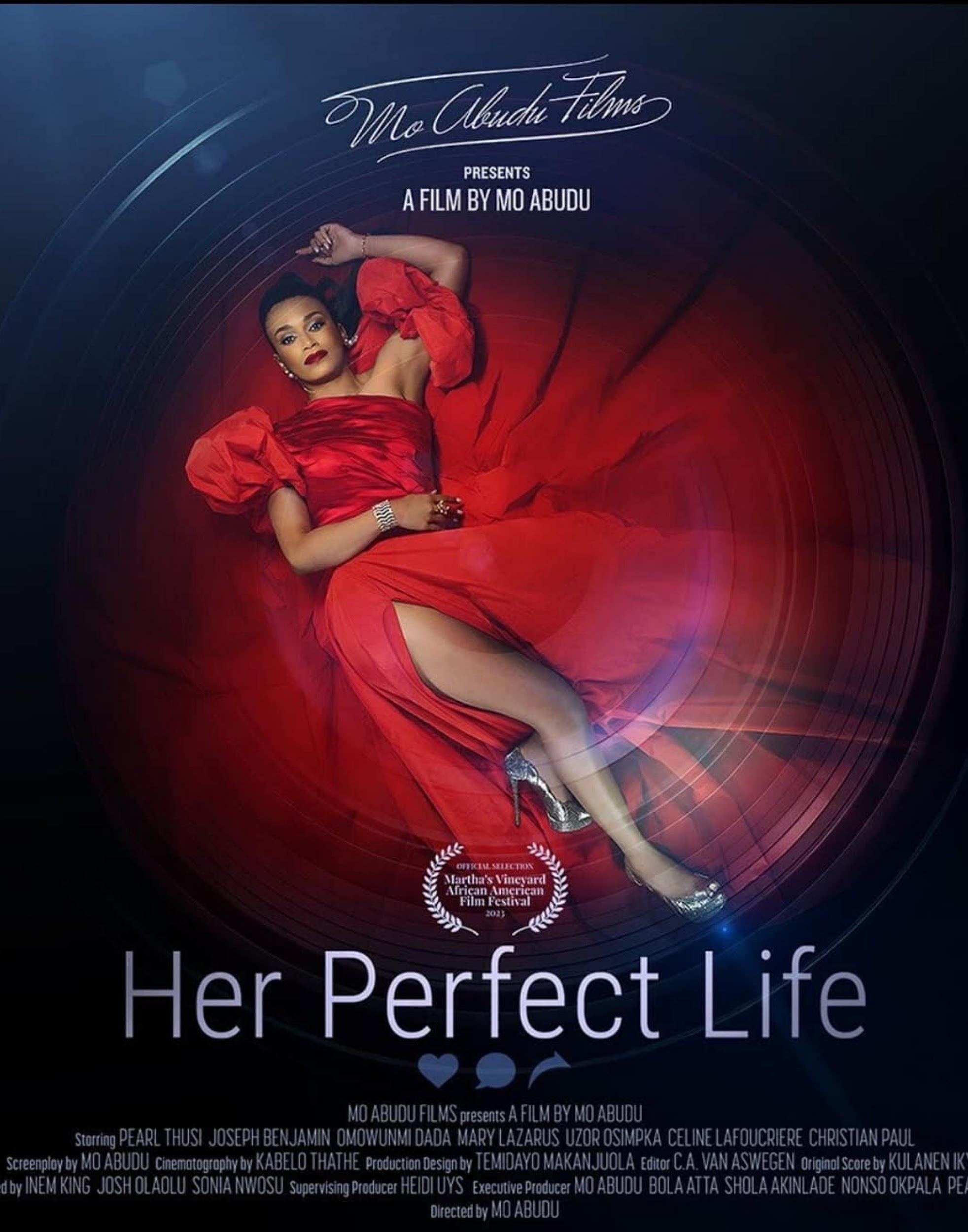
Portrayal: Depression & Suicidal Ideation in a High-Functioning Woman
Character: Onajite Johnson-Ibrahim (played by Pearl Thusi)
Sometimes, the scariest thing about depression is how invisible it can be, especially when it wears the face of success. That’s exactly what Her Perfect Life sets out to explore, and it does so with a calm, haunting grace that’s hard to forget.
Released in 2023 and marking Mo Abudu’s directorial debut, this short film takes a different route from the usual Nollywood mental health stories. There are no exaggerated “mad” scenes, no deliverance chants, no hysterics. Instead, we meet Onajite Johnson-Ibrahim, poised, accomplished, beautiful, and… silently unraveling. Played with heartbreaking subtlety by Pearl Thusi, Onajite is the woman everyone wants to be. She has the picture-perfect family, the prestigious career, and the spotless public image. But inside, she’s battling something darker, something she can’t explain to anyone without risking that image.
And that’s where the film hits hardest.
What Her Perfect Life gets right is its refusal to treat depression as something loud or obvious. Onajite isn’t falling apart in public. She’s functioning. Smiling. Showing up. But we see it, in the quiet moments when she’s alone, in her strained expressions, in her growing disconnect from her own life. It’s a sharp commentary on what psychologists call high-functioning depression, where people carry intense inner pain while looking fine on the outside.
The film also addresses suicidal ideation with a boldness that’s rare in Nigerian cinema. Without dramatizing or glamorizing, it allows us to sit with Onajite’s thoughts, to see how deep sadness can sneak into the most beautiful rooms, how hopelessness doesn’t discriminate by class or comfort.
But more than anything, “Her Perfect Life” starts a conversation that’s long overdue: that mental illness doesn’t always look messy, and that the people who seem to “have it all” might be the ones barely holding on.
Backed by strong performances from Joseph Benjamin, Omowunmi Dada, Mary Lazarus, Christian Paul, and Uzor Osimkpa, and premiering at the Cannes Short Film Corner and Martha’s Vineyard African-American Film Festival, the film received global attention for its brave theme and polished storytelling. It later became available on Apple TV and EbonyLife’s platforms.
What’s also notable is how Mo Abudu, often associated with glossy romance and high-society stories, deliberately took a step into deeper, more emotionally charged terrain. In interviews, she described the film as deeply personal and “close to her heart,” created to challenge stigma around mental health in Nigerian culture.
Critics acknowledged that the film could have expanded more on Onajite’s emotional backstory, but most agreed it struck a necessary chord, especially in portraying middle-aged African women as emotionally layered human beings, not just mothers or matriarchs.
Ultimately, Her Perfect Life doesn’t try to wrap everything up in a neat, hopeful bow. It gives us a mirror instead. A quiet reminder that perfection is often a mask, and sometimes the strongest-looking people are silently fighting the hardest battles.
10. Little Drops of Happy (2017)
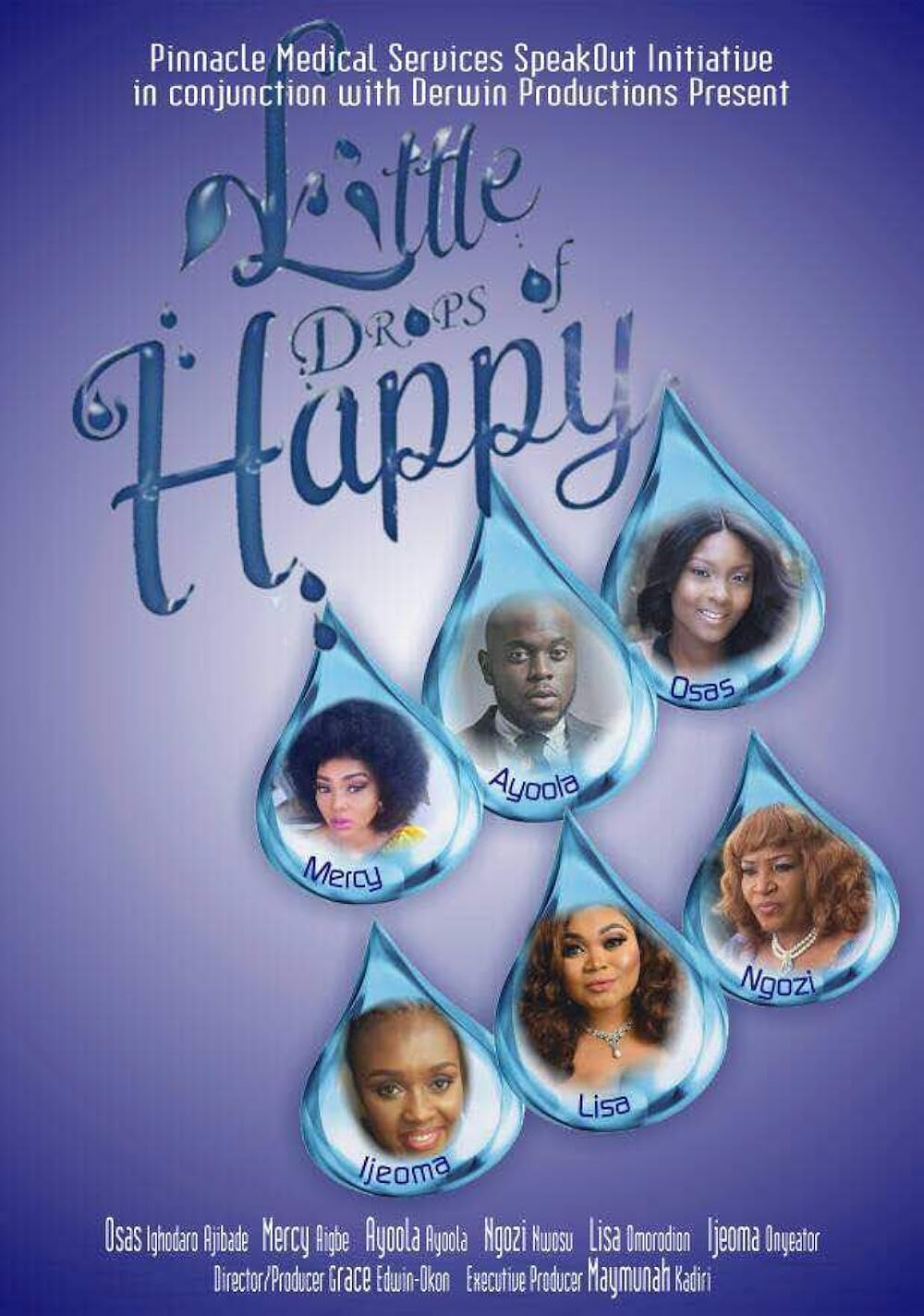
Portrayal: Depression, Postpartum Depression & Suicide Prevention
Characters: Mano Ojo (Osas Ighodaro), Femi Ojo (Ayoola Ayoola), Reverend Chi (Ngozi Nwosu)
Before mental health became a buzzword in Nigerian media spaces, Little Drops of Happy was already ringing the alarm. Released in 2017 and produced by renowned mental health advocate Dr. Maymunah Kadiri (of Pinnacle Medical Services), this film didn’t just tell a story, it was a direct intervention. A lifeline, wrapped in a relatable family drama. One that wasn’t just meant to entertain, but to educate, and maybe even save a life.
The story centers on Mano Ojo, played with gut-wrenching honesty by Osas Ighodaro. Mano is a woman who, from the outside, should be okay, she’s married to a successful actor, has children, and seemingly everything is going well for her. But she’s not okay. Not even close. Beneath the surface, Mano is drowning in emotional pain, triggered by betrayal, domestic violence, and the compounded weight of postpartum depression. What the film does so brilliantly is strip away the gloss. It shows us what it really looks like when a woman is breaking down inside, quietly, while everyone around her either ignores the signs or calls her “crazy.”
Mano cries uncontrollably. She withdraws from people. She can’t bond with her baby. Her mood swings go unnoticed until she’s already on the edge. These are all textbook signs of postpartum depression, but in a society that calls everything a spiritual attack, no one catches on. No one, until it’s almost too late.
The turning point comes when the couple finally seeks help. And this is where Little Drops of Happy truly distinguishes itself. Therapy is presented not as a last resort or something shameful, but as a valid, necessary step toward healing. We meet Reverend Chi, played by Ngozi Nwosu, not as an exorcist or moral authority, but as a guide. A counselor. A safe place for Mano and Femi to unpack years of hurt, misunderstanding, and emotional fatigue.
And here’s the thing: this wasn’t just fiction. Little Drops of Happy was backed by a real mental health campaign. It was shown in Lagos, Abuja, and Port Harcourt, not just in cinemas but in medical spaces, schools, and outreach programs. The U.S. Embassy even supported its rollout. Dr. Maymunah Kadiri didn’t just want to entertain, she wanted to start a nationwide conversation. She wanted people to understand that mental illness is real, that it’s medical, and that early help can prevent suicide. And the film made that message land.
This is the kind of story Nollywood had been shying away from for too long. One where the woman isn’t “possessed,” and the man isn’t “evil.” One where emotional breakdown isn’t mocked, but explored. And perhaps most importantly, one where therapy isn’t demonized, but normalized.
Conclusion
In a country where mental health has long been whispered about in shame, dismissed with a prayer, or masked as madness, storytelling becomes more than just entertainment, it becomes a tool for transformation. Nollywood, with its vast reach and emotional power, holds the mirror up to society. And when it chooses to reflect the truth, with empathy, accuracy, and nuance, it doesn’t just tell stories; it shifts mindsets.
The films and series we’ve explored here didn’t follow the old script. They resisted easy tropes. They chose realism over ridicule, care over chaos. And in doing so, they gave voices to people who have long been invisible in Nigerian storytelling, people struggling silently with depression, PTSD, anxiety, trauma, and identity.
We must applaud the filmmakers who dared to get it right. The producers, directors, writers, and actors who didn’t default to clichés, but instead chose to collaborate with mental health professionals, listen to lived experiences, and portray mental illness with dignity. They are not just telling better stories, they are helping build a more emotionally aware generation.
But this is only the beginning. There’s still a long road ahead, and so much more to be said, especially in indigenous languages, in grassroots communities, and across age groups. Nollywood has the power to normalize therapy, dismantle shame, and replace fear with understanding. If the industry continues to lean into this kind of intentional storytelling, rooted in truth and guided by care, then it won’t just be shaping characters on screen. It will be shaping the emotional literacy of an entire nation.
Disclaimer: Interpreting Mental Health in Nollywood Films
The films and series featured in this article, 10 Times Nollywood Got Mental Health Representation Right, were chosen based on their narrative efforts to engage with emotional, psychological, or behavioral struggles that resonate with mental health themes. While not all portrayals align perfectly with textbook clinical definitions, they reflect important societal conversations around trauma, depression, anxiety, psychosis, and emotional well-being in the Nigerian context.
Many of these stories use cultural, metaphorical, or symbolic lenses to depict internal struggles, often shaped by religion, tradition, and social expectations. This list is not definitive or exhaustive, but it highlights works that made significant strides in destigmatizing mental health and sparking empathy.
Viewers are reminded that films are not a substitute for professional diagnosis or therapy. For real-life mental health concerns, consult qualified professionals.