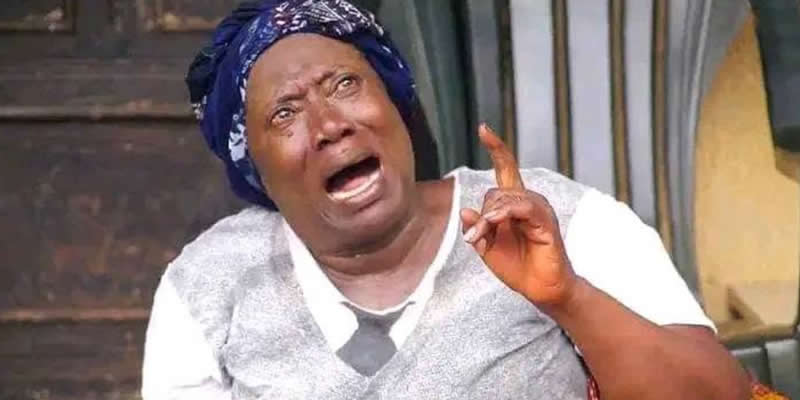
Nollywood’s got a reputation for being one of the biggest and most vibrant film industries in the world, but let’s be real, being an actor in it isn’t all fame and fun. The reality is, it’s a constant hustle. For both upcoming and well-established names, the challenges are tough and often overlooked.
For those starting out, it’s not just about the dream of fame, it’s about survival. Many actors face long periods without stable income, taking on roles that don’t pay much or even anything, all while fighting for recognition in a crowded field. For those who have reached the top, the pressure is different but equally intense. Staying relevant, avoiding being typecast, and managing the constant demands of fame can be overwhelming. The harsh realities of the industry mean that even for established stars, nothing is guaranteed.
In this piece, we’ll dig into the 12 biggest challenges Nollywood actors face, showing that no matter where you are in the industry, the struggle is real.
12 Biggest Challenges Nollywood Actors Face
The journey of a Nollywood actor is filled with unexpected twists, no matter where they are in their career. While the industry continues to grow, the challenges it presents can be tough to navigate. From early career obstacles to the pressures of staying on top, actors face a complex mix of struggles that don’t always make the headlines. Let’s take a look at the 12 biggest hurdles Nollywood actors face, shedding light on the realities behind the glitz and glamour..
Limited Financial Backing and Inconsistent Pay
In Nollywood, financial instability is one of the biggest hurdles for both emerging and established actors. For newcomers, it’s not just about getting a role, it’s about getting paid fairly for it. The industry is still heavily reliant on low-budget productions, which means many actors have to accept roles that don’t pay well or sometimes don’t pay at all, just for the exposure. It’s frustrating when you’re working hard, but the financial rewards are few and far between.
On top of that, there’s the issue of investor confidence or rather, the lack of it. Nollywood productions often struggle to secure solid financial backing, which results in tight budgets and sometimes even more pressure on actors to perform without proper compensation.
Veteran actors aren’t immune to the financial struggles either. Despite years of experience, many still face delayed payments or inconsistent income. Imagine working on a big project for months, only to wait for your paycheck to trickle in weeks or even months later, in some cases the payment is made in installments. That’s the reality for many seasoned stars in the industry, and it’s hard not to feel the strain.
This financial instability has a huge impact on career stability too. When actors can’t rely on a steady income, it limits their ability to take on more challenging roles or pursue projects that could help them grow as artists. It’s a constant cycle of stalled progress, and unfortunately, this lack of financial security can lead to missed opportunities and stunted career growth.
Typecasting: The Career-Killer
Typecasting is one of the most frustrating challenges for Nollywood actors, and it can quickly turn into a career killer. For newcomers, it might seem like a blessing to land any role at all, but sometimes, newcomers are often quickly boxed into certain stereotypes, like the love interest, the villain, or the comic sidekick. While these roles might get them noticed at first, they can also limit their growth potential.
For veteran actors, the pressure is just as intense. After years of hard work, many seasoned stars still find themselves trapped in familiar roles, thanks to public expectations. The audience sees them as a particular character, and suddenly, that’s all they’re offered. Whether they’re known for playing the charming leading man or the intimidating villain, these familiar roles become their default. Unfortunately, this creates a double-edged sword: while they’re highly recognized, they’re often typecast into these same characters, leaving little room to show their full range. It’s frustrating because, as an experienced actor, you know you have more to offer, but the industry keeps pulling you back into what’s familiar, limiting your chances to expand your career.
The impact of typecasting goes beyond just career stagnation; it can also have a serious effect on an actor’s creative growth. When you’re repeatedly cast in the same kind of role, it feels like you’re stuck in a box. This stifles your ability to explore new, exciting, and challenging characters that could push you creatively.
Over time, this repetitive nature can lead to burnout, dissatisfaction, or even a lack of passion for the craft. Instead of feeling like you’re evolving as an artist, you’re left feeling like you’re simply going through the motions. For many actors, this frustration leads to them stepping away from the industry entirely, unable to see a path forward. Breaking free from typecasting is crucial for an actor’s long-term success and happiness, as it allows them to grow, diversify, and avoid becoming a one-trick pony.
Lack of Formal Training and Development
For many newcomers in Nollywood, breaking into the industry doesn’t come with formal training or the opportunity to learn the craft from seasoned professionals. While the industry has made great strides in recent years, the lack of established training programs is still a major hurdle. Most up-and-coming actors rely on self-taught methods or basic workshops that often scratch the surface rather than providing in-depth acting techniques.
As a result, many newcomers are thrown into demanding roles without the necessary foundation to deliver strong, nuanced performances. This not only puts them at a disadvantage but can also result in subpar performances that hinder their careers before they’ve even had a chance to take off. Without proper guidance, their growth as actors is limited, and they’re left vulnerable to being typecast or overlooked altogether.
For experienced actors, the challenges of upskilling are no less daunting. Once they’ve found a place in the industry, many veteran actors stop actively seeking out training or education, often due to the lack of available resources. There’s a clear gap when it comes to continuous learning opportunities. Without the chance to refine their skills, experiment with new acting techniques, or learn from global industry trends, even seasoned actors can feel stagnant.
They may find themselves falling behind in a fast-evolving industry where acting styles and production methods are constantly shifting. This lack of access to modern education can limit their versatility and even make them less competitive on the international stage.
There’s a real need for accredited training programs and workshops that can elevate the overall performance quality of Nollywood actors. Implementing formal education systems would not only provide newcomers with a solid foundation but also offer experienced actors the opportunity to evolve with the times. If Nollywood hopes to stay competitive on the global film scene, it’s crucial to invest in the education and development of its talent, ensuring that actors are equipped with the tools they need to excel in their craft and push the industry forward.
Low-Quality Scripts and Lack of Creative Control
One of the most pressing challenges Nollywood actors face is working with low-quality scripts that don’t do justice to their talents. Many emerging actors find themselves cast in projects where the script is weak, poorly developed, or lacks depth.
As a result, they’re often forced to deliver performances that feel flat or uninspired, simply because the material they’re working with doesn’t give them much to work with. For a newcomer, this can be incredibly frustrating, as they may feel their ability to truly showcase their skills is limited by the script’s shortcomings. Moreover, since many productions in Nollywood operate on tight budgets and fast timelines, scripts often don’t undergo the necessary development process that would allow for meaningful revisions or improvements. This leaves actors in a tough spot, as they have little room to make the material shine.
For veteran actors, the lack of creative control is an equally significant challenge. While they may have more leverage when it comes to choosing roles, they’re still frequently faced with scripts that feel formulaic or uninspired. Unfortunately, even established actors often have little say in the script or storyline. This lack of creative control means they’re limited in how they can approach their roles, reducing their ability to add personal flair or bring depth to their characters. They may feel boxed in by the script’s direction, which can result in performances that don’t truly reflect their capabilities.
The broader issue here is that low-quality scripts and limited creative freedom hinder the growth of Nollywood as a whole. When actors are constrained by lackluster material, it doesn’t just impact their careers, it also limits the industry’s potential for producing high-caliber films that can compete globally. To break free from this cycle, there needs to be a greater emphasis on producing well-crafted scripts and allowing actors more input into their roles. This would not only lead to more dynamic performances but also elevate Nollywood’s storytelling to the next level.
Social Media: A Double-Edged Sword
In today’s digital age, social media is a powerful tool that Nollywood actors can’t afford to ignore. On one hand, it provides an incredible platform to connect with fans, build a personal brand, and stay relevant in the industry. With millions of followers on platforms like Facebook, Instagram, X, and TikTok, actors can easily amplify their visibility and reach wider audiences, which can be crucial for career growth. It’s an opportunity for actors, both new and veteran, to show off their personality, share their work, and even promote upcoming projects. It’s also a great way to interact with fans and maintain a presence in an otherwise competitive and fast-paced industry.
However, social media can quickly become a double-edged sword. While the visibility it provides is beneficial, it also opens the door for excessive scrutiny and unrealistic expectations. The pressure to maintain a flawless online image can be overwhelming, especially for newcomers who are still trying to establish themselves. Newcomers sometimes face everything from body shaming to unsolicited critiques of their acting skills. The fear of public judgment becomes a barrier to creativity, leading many young talents to second-guess themselves, which can stall their growth and confidence in the industry.
For seasoned actors, the impact of social media is no less severe. With a large fan base comes the expectation of perfection, and social media amplifies these pressures. Fans have a tendency to build unrealistic perceptions of their favorite stars, expecting them to be flawless both on and off the screen. The constant demand to maintain a certain image can be exhausting. A single misstep, whether it’s a controversial opinion or an off-the-cuff remark, can lead to a storm of backlash that puts even the most established actors under immense stress. The pressure to keep up appearances, juggle personal lives with public personas, and remain in the good graces of fans can sometimes overshadow their passion for acting.
Moreover, the line between personal and professional lives becomes blurred on social media. Actors often share glimpses of their personal lives, which can lead to public over-analysis and even unwanted invasions of privacy. For new actors trying to gain recognition, there’s the risk of being typecast based on their social media presence, with followers expecting them to behave or portray themselves in certain ways.
The mental health implications of this social media pressure are profound. The emotional toll on both new and veteran actors is real. The constant need to engage, the fear of public criticism, and the anxiety of maintaining an online image can lead to self-doubt, anxiety, and even depression. For many actors, the line between their public persona and personal identity becomes increasingly blurred, making it difficult to separate the negativity online from their own self-worth. Over time, this takes a serious psychological toll, contributing to burnout and sometimes leading to actors stepping away from the industry altogether.
In the end, while social media offers a platform for exposure, it also introduces a whirlwind of pressures that can weigh heavily on Nollywood actors. Balancing the benefits of visibility with the mental strain of public scrutiny is a challenge that actors, new and experienced alike, must navigate carefully.
Excessive Competition in the Industry
Nollywood, like many industries, thrives on competition, but for actors, the level of competition can sometimes feel overwhelming. With an ever-growing pool of talented individuals trying to make their mark, newcomers and even established stars are constantly vying for the same roles.
The intense competition means that actors often have to fight tooth and nail just to get noticed, let alone land a significant part. For those who are just starting out, it’s not uncommon to face rejection after rejection, sometimes with no clear reason why they were overlooked. This can lead to feelings of frustration, self-doubt, and burnout, especially when the path to success seems so elusive.
Even seasoned actors, who may have built up a name for themselves, aren’t exempt from the pressure. With Nollywood expanding rapidly, there’s always a new generation of talent emerging. While this influx of fresh faces brings vitality to the industry, it also increases the pressure on established actors to remain relevant.
Newcomers are often willing to take on multiple roles at once, work for lower pay, or sacrifice their personal lives to get ahead, which raises the stakes for seasoned stars who must constantly prove that they still have the chops to stay in demand. As a result, even experienced actors find themselves competing for roles, and the fear of being replaced or forgotten can be real.
This excessive competition often leads to a cutthroat mentality in the industry, where networking and connections can sometimes weigh heavier than talent or hard work. The constant race for opportunities can create unhealthy work environments where collaboration takes a backseat to individual ambition. This mentality doesn’t just affect actors; it trickles down to the overall culture of Nollywood, where many actors, directors, and producers feel like they’re in constant competition for a limited number of projects.
Ultimately, while competition drives excellence, it can also hinder creative growth and contribute to stress, anxiety, and even resentment. For actors trying to break through or stay on top, the pressure to succeed can sometimes feel more like an obstacle than a motivator, threatening to drain the passion and joy they have for their craft. The challenge, then, is not just about standing out, it’s about finding a way to thrive in an industry that demands the very best while offering little in the way of support or stability.
Limited Opportunities for Diverse Roles
Nollywood actors often find themselves facing a frustrating lack of diverse roles that go beyond the typical expectations. For many, especially newcomers, the pool of available characters is disappointingly narrow. It’s not just that they’re stuck with repetitive roles; like the love interest or the sidekick, but that the whole range of storytelling seems limited. There’s a whole world of characters out there, yet the opportunities to play them feel few and far between.
New actors, fresh to the industry, often have to settle for what’s available. You might get a role, but it’s probably one that doesn’t push you or help you evolve. You’re the charming, young romantic interest, or the comic relief that doesn’t get much development beyond a few laughs. It’s easy to get stuck in that loop, where every new job feels more like the last one. These actors don’t have the chance to stretch their craft, explore new genres, or dive deep into roles that challenge them. The lack of variety not only limits their growth but also keeps the storytelling within a very small box.
And this isn’t just a problem for the newbies. Even actors who’ve been in the game for a while often find themselves playing the same characters over and over again. Think about the successful veteran who keeps getting cast as the wealthy businessman or the hardened father figure. While these roles can be rewarding, they also start to feel like the only roles available, leaving seasoned actors wishing for more range, something that allows them to play a character they haven’t tackled before. Unfortunately, the industry’s tendency to rely on these familiar types means actors are often stuck, even when they’ve earned the opportunity to explore something new.
The bigger issue is that when roles are so limited, the stories we see on screen start to feel stale. Nollywood risks falling into a repetitive cycle where the diversity of characters and stories remains locked in the same old patterns. More complex, multi-dimensional characters are rare, and as a result, the industry misses the chance to tell deeper, more varied stories that could resonate with wider audiences. This lack of role variety doesn’t just affect the actors, it stifles the kind of storytelling that could push Nollywood forward.
To truly thrive, Nollywood needs to create more diverse and complex roles that can showcase the full range of an actor’s talent. There needs to be a concerted effort from producers, directors, and casting agents to break free from the traditional, limited character types and give actors the opportunity to explore new, multifaceted roles.
By doing so, Nollywood can foster a more dynamic and creative industry where actors can thrive in varied roles and storytellers can break new ground in their narratives. This diversity in roles would not only improve individual careers but elevate Nollywood as a whole, giving it the chance to compete globally with other major film industries that embrace a broader scope of storytelling.
Exploitative Contracts and Unfair Work Conditions
This is one area where silence has done more harm than good. For years, many Nollywood actors, both new and experienced, have had to endure exploitative agreements that would never fly in a more structured industry. It’s not just about being underpaid. It’s about signing contracts with vague terms, no legal protection, no royalties, and sometimes, no clear end in sight. And because the industry still lacks strong, enforceable unions or widespread legal oversight, these issues continue unchecked.
For a newcomer desperate for visibility, saying “yes” to a bad deal can feel like the only option. It might be a five-day shoot that turns into two weeks with no extra pay, or a film that ends up on multiple streaming platforms while the actor earns nothing beyond that initial small fee. And the worst part? Speak up, and you risk being blacklisted. There’s a quiet fear that if you complain, there will always be someone else ready to take your spot, no questions asked.
But it’s not just the up-and-comers. Some seasoned actors have shared stories of being owed money for months, sometimes even years after wrapping a job. Others have shown up on set to find there’s no proper accommodation, no food, no security, or even basic safety measures in place. Imagine working under intense conditions, doing emotional or physically demanding scenes, and still having to fight for the bare minimum.
What makes this more frustrating is that many of these contracts come without negotiation. There’s often no room to ask for better terms, and many actors don’t have access to legal counsel who can help them navigate the fine print. You’re either in or you’re out, and for a lot of creatives, walking away just isn’t financially feasible.
Until Nollywood prioritizes fair labor standards and begins holding producers and production houses accountable, these exploitative systems will keep running quietly in the background. It’s a cycle that’s hard to break, but breaking it is necessary if the industry truly wants to grow, not just in size, but in quality and integrity too.
Lack of Proper Representation
In Nollywood, one of the quietest but most damaging gaps actors face is the lack of proper representation. A lot of people assume once you start acting, everything else just falls into place; bookings, contracts, endorsements, brand deals. But behind the scenes, many actors are forced to handle everything themselves, from negotiating fees to managing schedules and navigating PR. And let’s be honest, not everyone is equipped for all that.
For up-and-coming actors, the problem starts with access. There simply aren’t enough experienced talent managers or agents who understand the landscape well enough to fight for fair deals or long-term career strategy. Most new actors end up trusting the wrong people or going it alone, and that often leads to being undervalued, overbooked, or stuck in poorly structured agreements.
Even for more established names, proper representation is hit or miss. Some work with self-proclaimed “managers” who focus more on hype than substance. Others are managed by friends or family members without any industry experience, which can limit their exposure to serious opportunities or international platforms. It’s one thing to be talented, it’s another to be properly guided.
And because Nollywood hasn’t fully embraced the formal systems of representation that are common in industries like Hollywood, many actors are left unprotected. There’s no standard structure. No union backing. No widespread regulatory body to make sure actors have someone in their corner when it counts.
Representation isn’t just about landing roles. It’s about strategy, image, negotiation, and long-term vision. Until Nollywood invests in building a strong network of capable, ethical, and professional agents and managers, many actors will continue to do twice the work for half the reward, fighting to be seen, heard, and paid what they’re worth.
Personal Sacrifices and Family Strain
For many Nollywood actors, the price of chasing their dreams isn’t just paid on set, it’s paid in quiet moments; missed birthdays, strained relationships, and emotional exhaustion. It’s a side of the industry most people don’t see, but it’s very real. Success for actors doesn’t just demand talent or luck. It demands time. It demands presence. And often, it demands parts of their personal lives they can’t get back.
Upcoming actors, especially, are pushed to constantly hustle. Between auditions, rehearsals, long shoots, and side gigs to stay afloat, there’s barely time left for personal relationships. Some relocate to bigger cities like Lagos or Abuja in search of opportunities, leaving behind loved ones. Birthdays are missed. Family gatherings are skipped. Sometimes, entire relationships fall apart before their careers even get a chance to take off.
And for the seasoned actors? It doesn’t get much easier. The pressure to stay relevant, to constantly be available, to jump from one set to another, it leaves very little room for a steady family life. Some actors have spoken about divorces, broken homes, or children growing up without truly knowing them. Others carry the guilt of being emotionally unavailable because their schedules simply won’t let them show up when it matters.
There’s also the issue of perception. Families may not always understand the sacrifices. To the outside world, being an actor still feels like a glamorous dream. But inside that dream is a reality of uncertainty, financial instability, and emotional exhaustion, one that loved ones may struggle to relate to or support.
Then there’s the mental toll. Constantly having to choose work over loved ones. The emotional fatigue of performing while your personal life feels out of balance. Some actors end up battling anxiety, burnout, or a deep sense of loneliness, even when their careers seem to be thriving.
Nollywood may be full of passion and promise, but for many, it also demands more than just talent, it asks for sacrifice. And too often, that sacrifice comes at the expense of the very people and moments that matter most.
Industry Politics and Favoritism
Talent doesn’t always speak loudest in Nollywood. Sometimes, it’s politics. Who you know. Who’s rooting for you behind closed doors. And for many actors, especially the ones trying to break in, it can feel like the doors are already closed before they even get a chance to knock.
Upcoming actors often find themselves on the outside looking in. They audition, show up, and do the work, but still get overlooked. Not because they aren’t good enough, but because someone else had the right connection, or already had a foot in the door through a producer, director, or influential colleague. And when you’re trying to build a career purely on merit, watching roles go to the “chosen few” can be deeply discouraging.
For those who are already in the spotlight, favoritism still lingers. Some actors get recycled into every major production, not always because they’re the perfect fit, but because they’re part of an unspoken circle. Others, no matter how skilled or respected they are, struggle to stay visible if they don’t play the politics right, if they refuse to flatter, bend, or belong.
This creates a system where navigating the politics becomes just as important as honing your craft. And for an industry that’s full of raw talent, it means a lot of brilliant performers are left waiting on the sidelines, simply because they don’t have the right alliances.
At its core, the problem isn’t just about unfairness, it’s about what it does to the spirit of the actors caught in the middle. The uncertainty. The quiet resentment. The feeling that no matter how hard you work, someone with better access might still get there first.
The Influence of Global Cinema and Changing Expectations
There was a time when Nollywood existed in its own world, telling our stories, our way, with little concern for how it looked to the outside. But things have changed. Today, with platforms like Netflix, Amazon Prime, and YouTube bridging the gap, Nollywood is no longer just for Nigerians. It’s global. And with that visibility comes a new kind of pressure.
Audiences now compare Nigerian films to Hollywood blockbusters and South Korean dramas. They want better sound, tighter scripts, more nuanced acting, and world-class cinematography. And while that’s not a bad thing, it places heavy expectations on actors, many of whom are still working with limited resources, rushed productions, and scripts that weren’t quite ready.
For upcoming actors, it’s like being asked to play at an international level without proper training or tools. For veterans, it’s the pressure to constantly evolve and match newer, more globally aware talent without losing their essence.
At the same time, actors are also trying to meet the emotional demands of a more informed audience, viewers who expect layered performances, vulnerability, and authenticity that can hold its own anywhere in the world. It’s no longer enough to just “act”; you have to connect, break stereotypes, and still be uniquely Nigerian in your delivery.
It’s a tough balance. One that leaves many actors caught between holding onto Nollywood’s roots and adapting to international standards that may not always fit our context. And in that in-between space, they’re left to figure it out, mostly on their own.
Conclusion
At its core, Nollywood is powered by the resilience of its actors, their hunger, their passion, their willingness to keep going even when the odds are stacked against them. But passion alone can’t keep an industry afloat. The challenges actors face today aren’t just individual frustrations; they are systemic cracks that, if left unaddressed, will keep recycling the same struggles for generations to come.
From financial instability to creative limitations, from lack of support structures to the ever-changing expectations of a global audience, it’s clear that being a Nollywood actor requires far more than just talent. It demands grit, emotional endurance, and the ability to constantly adapt, often with little guidance or safety nets.
If Nollywood truly wants to compete on a global scale, not just in numbers, but in quality and longevity, then it must begin to prioritize the well-being and professional development of the people in front of the camera. Until then, actors will continue to carry the weight of a growing industry on tired shoulders, hoping that someday, it’ll finally carry them back.