
Nollywood is not just about entertainment, it’s a powerful tool for preserving and retelling Nigeria’s history. Through film, we get to see key moments that shaped the nation, from colonial invasions and resistance movements to political struggles and cultural legends. These movies bring history to life, making it more than just stories in textbooks. They give faces to historical figures, emotions to past struggles, and depth to events that might otherwise feel distant.
In this article, we’re talking about Nollywood movies that tell the Nigerian story, films that bring Nigeria’s history to life, the kind of movies that make you see, feel, and truly connect with the past. Some take us back to the fall of great kingdoms, others dive into the lives of legendary figures, while some capture the struggles of colonial rule, independence, and political upheavals. These films remind us of where we come from and why our history still matters today.
12 Nollywood Movies That Tell the Nigerian Story
Nigeria’s history is deep, complex, and filled with stories that deserve to be told. Thankfully, Nollywood has taken up the challenge, bringing some of these moments to life in ways that make you sit up and pay attention.
Whether it’s the bravery of ancient warriors, the fight against colonial rule, or the political chaos that shaped the country, these films capture it all. Some take us straight into the heat of battle, others show the personal struggles of the people who lived through these times, and a few even dive into the myths and legends that have been passed down for generations. If you’re looking for movies that don’t just entertain but also educate and remind us of where we come from, these ones are worth watching.
Invasion 1897 (2014)
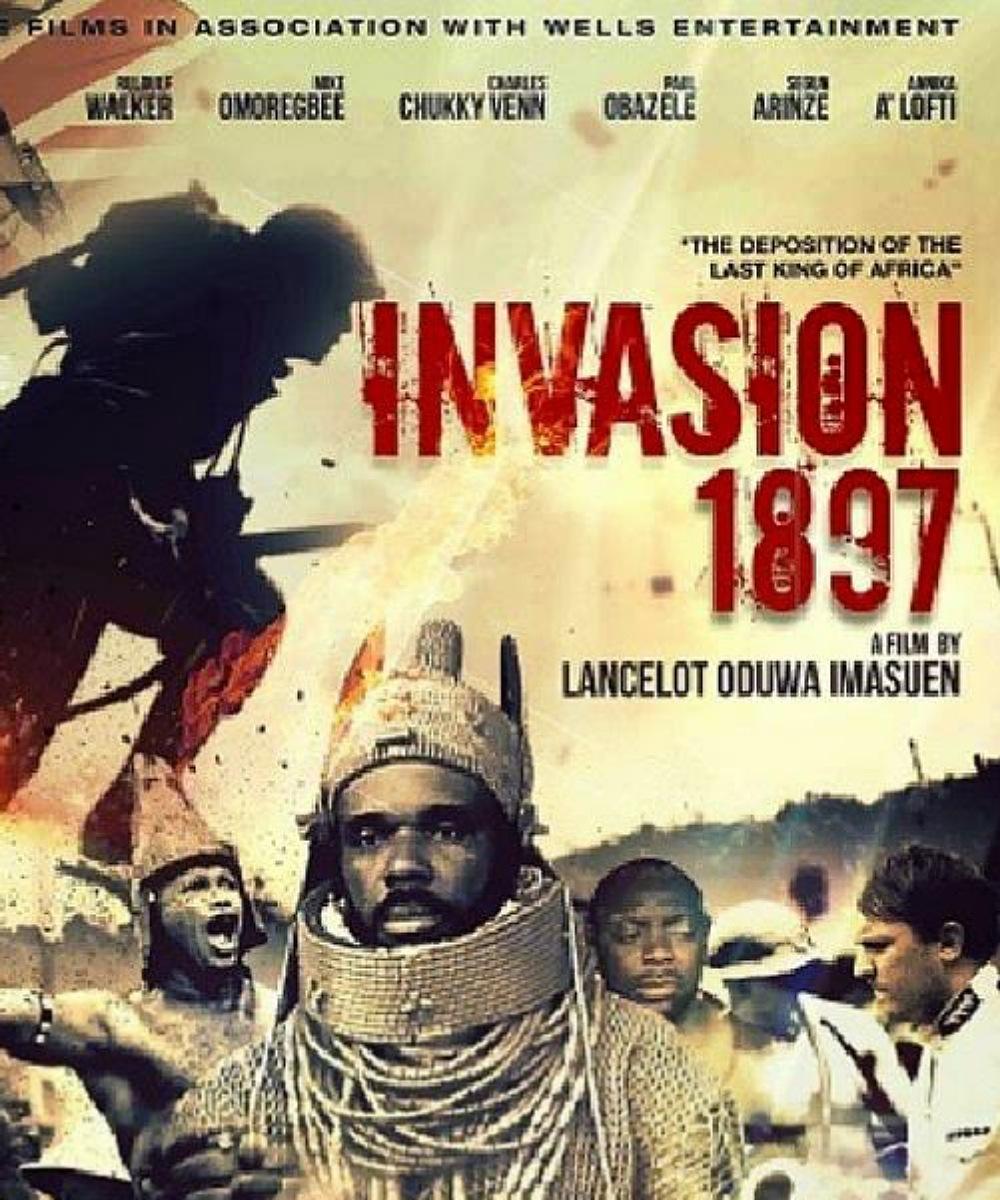
Invasion 1897 is a gripping historical drama that brings to life the tragic events of the British invasion of the Benin Kingdom. Released in August 2014 and directed by Lancelot Oduwa Imasuen, the film stars Nigerian actors such as Mike Omoregbe, Segun Arinze, Charles Inojie, Paul Obazele, and Justus Esiri in one of his final roles before his passing. The movie blends historical facts with dramatic storytelling, giving viewers a vivid picture of one of the darkest moments in Nigeria’s colonial history.
The movie begins with the arrest and trial of a young prince from Benin, accused of stealing artifacts from a British museum. To defend himself, he delves into the history of his ancestors, leading the audience into the past to witness the events surrounding the 1897 invasion of the Benin Kingdom.
In the historical segment, Mike Omoregbee portrays Oba Ovonramwen Nogbaisi, the ruler of Benin during the late 19th century. The narrative depicts the escalating tensions between the Benin Kingdom and British colonial forces, culminating in the British invasion of 1897. The film portrays the destruction of Benin City, the massacre of its people, the looting of invaluable artifacts, including bronze sculptures and ivories, and the eventual exile of Oba Ovonramwen. These events are presented as a backdrop to the contemporary storyline, emphasizing the lasting impact of colonialism on cultural heritage.
By weaving together past and present, Invasion 1897 highlights the enduring significance of historical events and their relevance to contemporary issues surrounding cultural identity and restitution.
Beyond just showing the brutality of colonial conquest, Invasion 1897 also tells the story of resilience. It brings to light the betrayal by some local chiefs who aided the British, the bravery of warriors who fought back despite the odds, and the pain of a king forced to watch his kingdom fall. The film doesn’t just retell history; it makes you feel the weight of what was lost.
At its core, Invasion 1897 is more than a historical film, it is a conversation starter. It reignited debates about colonial injustices and the ongoing fight to return looted artifacts to their rightful home. By blending past and present, it forces us to confront a history that still lingers, reminding us that while the invasion happened over a century ago, its effects are still felt today.
The Amazing Grace (2006)
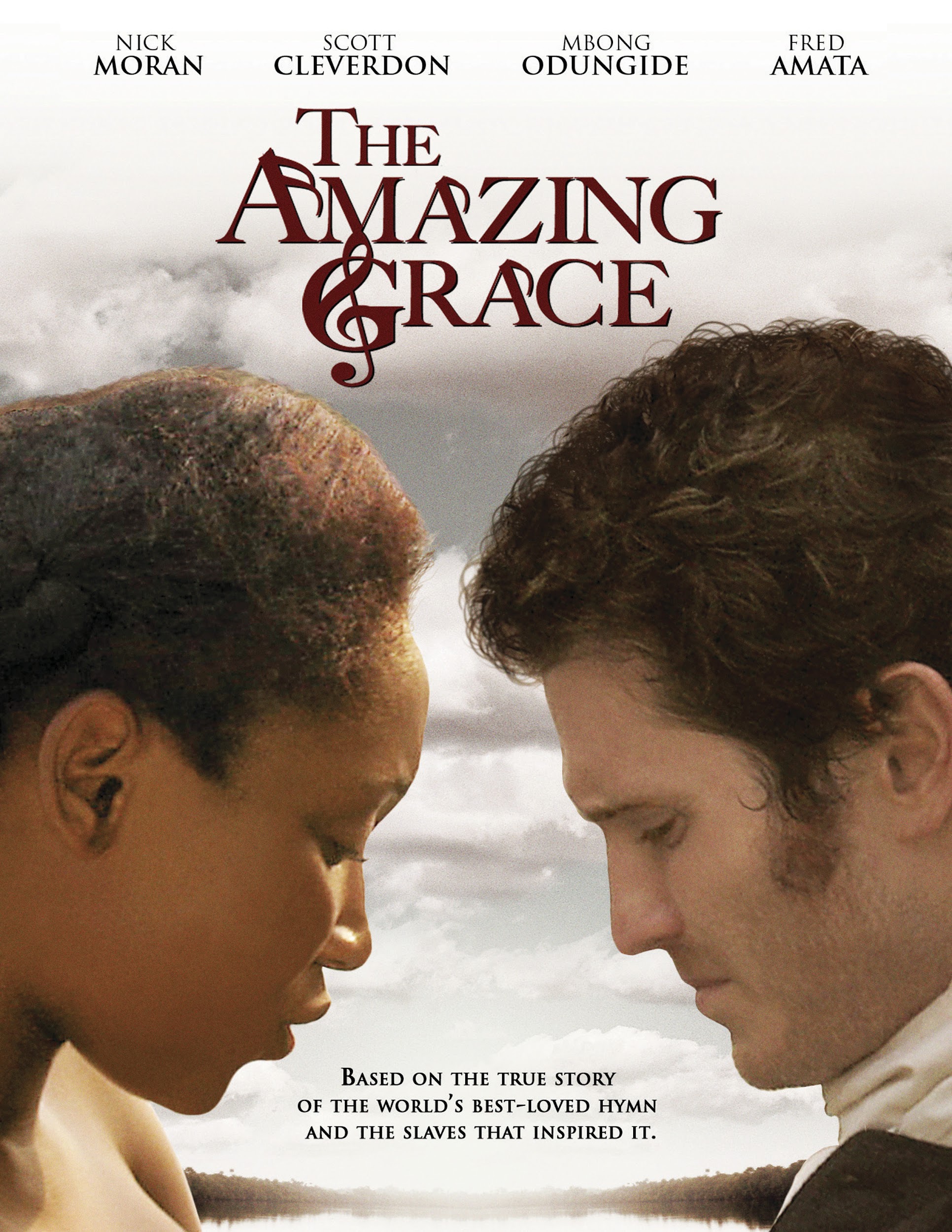
The Amazing Grace takes us deep into the horrors of the transatlantic slave trade, but through an unexpected lens, the story of John Newton, a British slave trader who undergoes a moral awakening. Directed by Jeta Amata and released on June 1, 2006, the film brings to life the brutality of slavery, showing how Africans were captured, dehumanized, and sold like commodities.
At first, Newton, played by Nick Moran, is just another heartless businessman profiting off human suffering. His ship docks on the coast of what is now Calabar, Nigeria, a major hub in the transatlantic slave trade. There, he engages in the ruthless buying and selling of human beings, treating them as mere cargo. But as he witnesses the cruelty firsthand, the chains, the beatings, the fear in the eyes of the enslaved, something in him begins to shift. The turning point comes when he listens to the mournful songs of his captives, their pain and resilience seeping into his soul. This emotional transformation eventually leads him to abandon the trade and becomes an Anglican priest. Later, he wrote the famous hymn Amazing Grace, a song now synonymous with redemption.
While Newton’s story is central, the film does not shy away from showing the suffering of the enslaved Africans. The film stars Mbong Amata as Ansa, an enslaved African woman whose perspective gives depth to the narrative, along with Scott Cleverdon, Joke Silva, and Zack Amata. Through Ansa and others, the audience sees the devastating impact of slavery from the African side, how entire communities were torn apart, how people fought to retain their dignity, and how some local rulers played a role in the trade.
What makes The Amazing Grace especially significant for Nigeria is that it doesn’t just tell a story about a European man’s transformation; it sheds light on Nigeria’s deep history with the slave trade. Calabar and Badagry were major slave-trading ports, where millions of Africans were shipped off to the Americas. The film forces us to confront this painful past, highlighting the complicity of some local chiefs, the resilience of those who resisted, and the long-lasting scars left by colonial exploitation.
More than just a historical film, The Amazing Grace serves as a reminder of a past that still lingers
‘76 (2016)
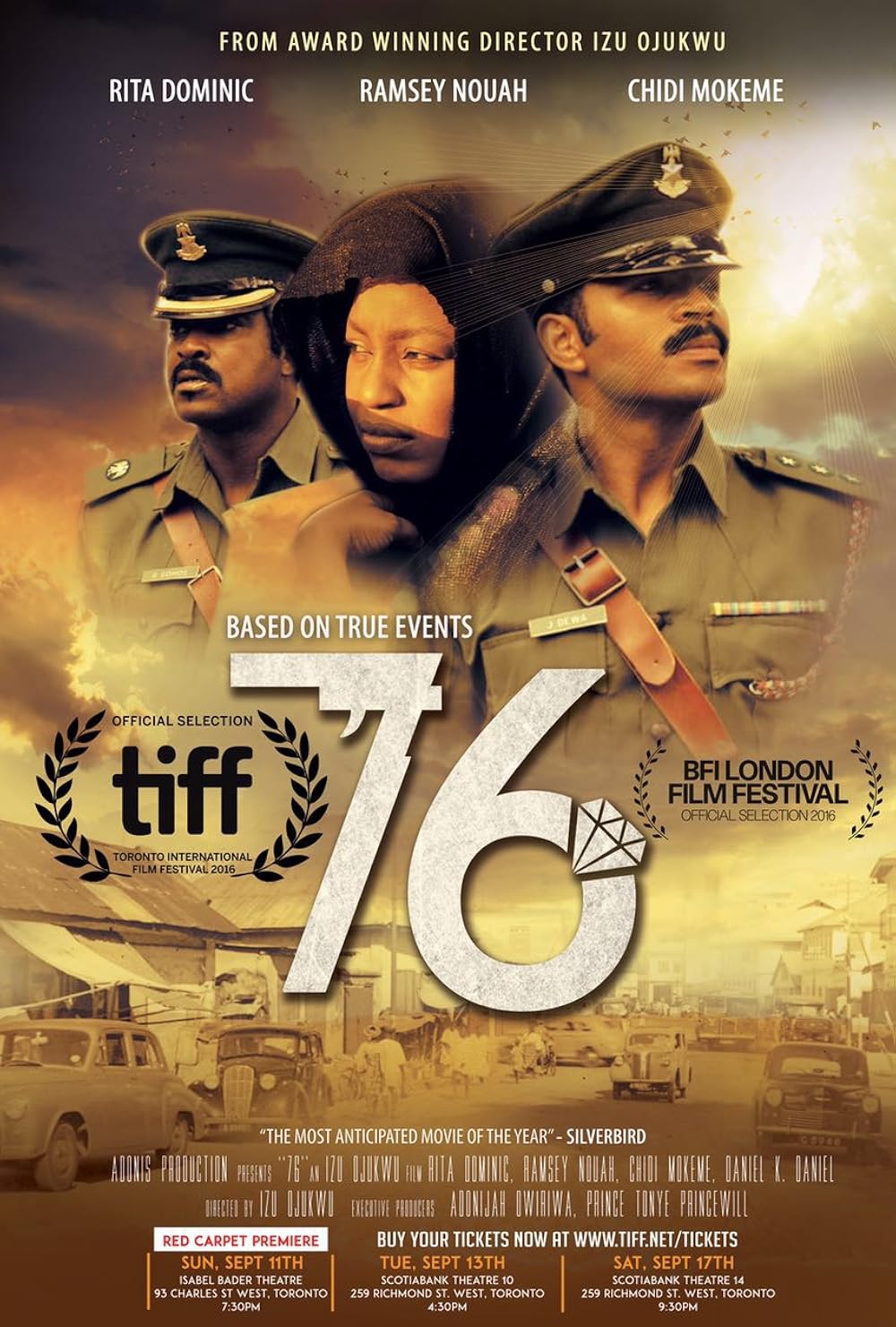
’76 is a gripping historical drama that takes us back to one of the most politically unstable periods in Nigeria’s history. Directed by Izu Ojukwu and released in November 2016, the film is set six years after the Nigerian Civil War, a time when the country was still struggling with deep ethnic tensions and military rule. It stars Ramsey Nouah as Captain Joseph Dewa, a soldier wrongly accused of involvement in the 1976 coup that led to the assassination of General Murtala Mohammed. His wife, Suzy, played by Rita Dominic, is caught in the crossfire, torn between loyalty to her husband and the harsh reality of living as a military wife in such an uncertain era.
The film brilliantly captures the paranoia and fear that defined life under military rule. Dewa, a dedicated soldier from Nigeria’s Middle Belt, is stationed at the Dodan Barracks in Lagos, the center of political power at the time. His marriage to Suzy, an O-Level student from the Southeast, is already under pressure due to ethnic biases and family disapproval. But things take a darker turn when he is falsely implicated in the coup plot, turning his once-stable life into a fight for survival.
One of the most powerful aspects of ’76 is how it portrays the experiences of women in times of political instability. Suzy’s struggle is not just about proving her husband’s innocence; it’s about the emotional and psychological burden that military wives carried. While the men fought on the battlefield or got caught up in political intrigues, women were left to navigate the consequences, raising children alone, enduring stigma, and fighting for justice in a system that rarely listened to them.
Beyond the personal story, the film sheds light on how military regimes affected everyday Nigerians. Under military rule, life was unpredictable, one moment, you were a respected officer, the next, you were a suspect facing execution. The fear of coups and counter-coups kept the country on edge, and the ordinary people bore the brunt of the uncertainty. ’76 does not just tell the story of one soldier; it tells the story of a nation struggling to find stability in the aftermath of war and dictatorship.
With an impressive cast that also includes Chidi Mokeme, Daniel K. Daniel, Memry Savanhu, and Ibinabo Fiberesima, ’76 was well-received for its historical accuracy and attention to detail. The production team worked closely with the Nigerian military to ensure the uniforms, settings, and protocols were authentic. The film not only entertains but educates, reminding us of a period when the fate of the nation was decided in the shadows, and innocent people often paid the price for political ambitions.
The historical account in ’76 went through a seven-month approval period at the Nigerian Military before filming started. In many ways, ’76 is more than just a movie, it’s a reflection of Nigeria’s past, a reminder of the sacrifices made, and a call to remember the human cost of political instability.
93 Days (2016)
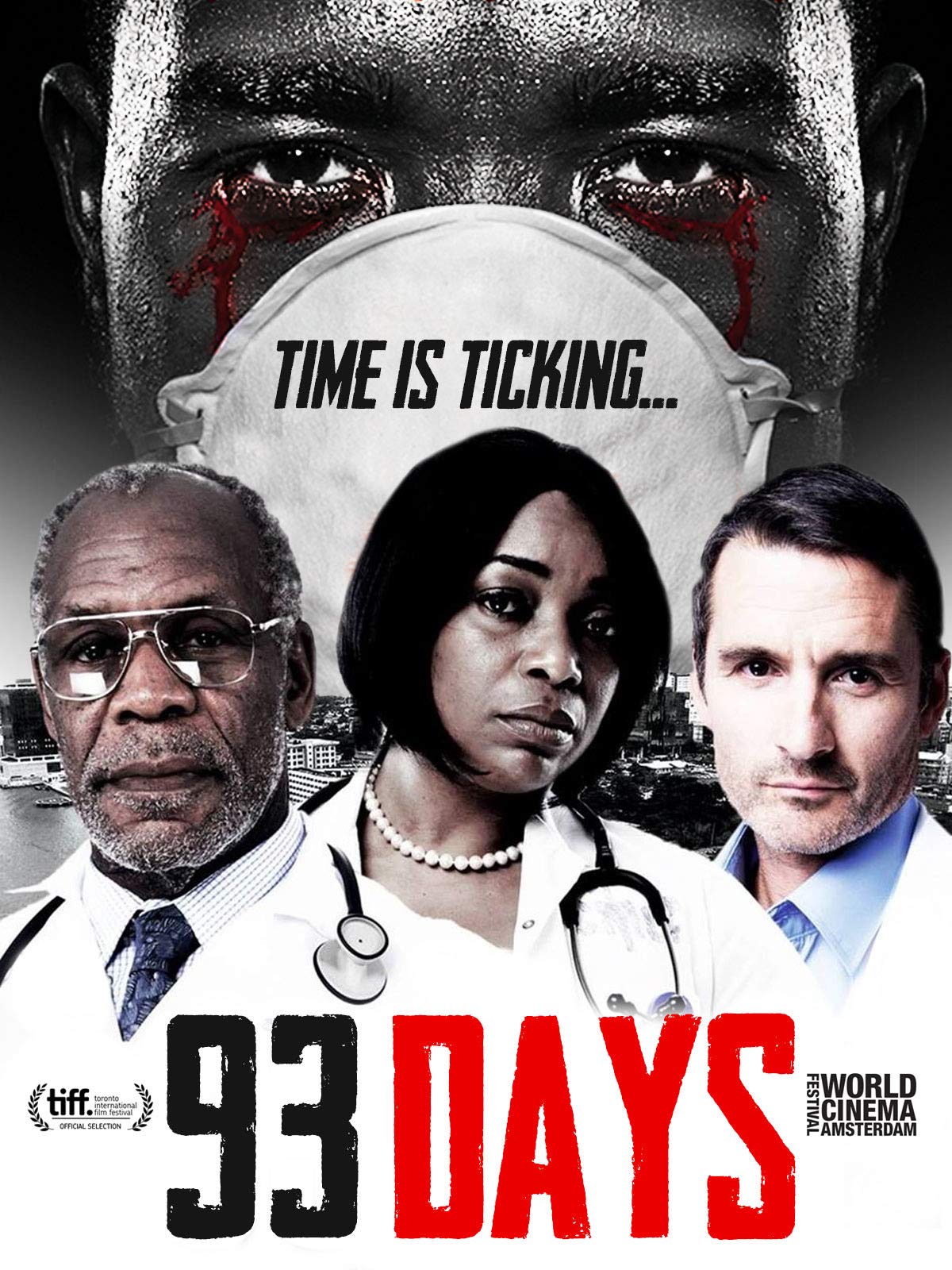
93 Days is a gripping drama directed by Steve Gukas, telling the real-life story of Nigeria’s fight against the deadly Ebola virus in 2014. The film highlights the sacrifices of healthcare workers, particularly Dr. Stella Ameyo Adadevoh, whose quick thinking and courage helped prevent a national catastrophe. With a stellar cast featuring Bimbo Akintola, Danny Glover, Gideon Okeke, and Somkele Iyamah-Idhalama, the movie captures the tension, fear, and bravery that defined Nigeria’s battle against the outbreak.
The story begins when Patrick Sawyer, a Liberian-American diplomat, arrives in Lagos and collapses at the airport. Rushed to First Consultants Hospital, his condition quickly deteriorates, and Dr. Adadevoh, played by Bimbo Akintola, suspects he may be carrying the Ebola virus. Despite intense pressure from Liberian officials to release him, she insists on keeping him quarantined, an act that ultimately saves countless lives. Her decision, backed by a team of dedicated doctors and nurses, contains the virus before it can spread across Nigeria’s densely populated cities.
The film doesn’t just tell Dr. Adadevoh’s story; it sheds light on the broader sacrifices of Nigerian healthcare workers. Doctors and nurses put their lives on the line, working under immense pressure to contain the disease. Some of them, including Dr. Adadevoh herself, paid the ultimate price. The film is an emotional reminder of their heroism and the crucial role of medical professionals in crisis situations.
Beyond the gripping personal stories, 93 Days also explores the government’s response, the fear that gripped Lagos, and the critical role of public health measures in stopping the outbreak. It reflects on the importance of strong healthcare systems, rapid response, and international cooperation in fighting deadly diseases. Released in September 2016, the film remains relevant today.
At its core, 93 Days is more than just a film, it’s a tribute to the bravery of those who stood on the frontlines to protect millions. It reminds us of the fragility of life, the power of selflessness, and the need to honor those who fight to keep society safe, often at great personal risk.
Half of a Yellow Sun (2013)

Some parts of Nigeria’s history hit deep, and the Biafran War is one of them. It’s a story of division, survival, and a fight that left scars still felt today. Half of a Yellow Sun, released on September 8, 2013, brings that history to the screen in a way that feels personal. Directed by Biyi Bandele and based on Chimamanda Ngozi Adichie’s novel, it doesn’t just tell the story of war, it tells the story of the people who lived through it, loved through it, and lost everything because of it.
The film follows twin sisters, Olanna (Thandiwe Newton) and Kainene (Anika Noni Rose), who return to Nigeria full of hope for their futures. But the country they come back to is already on shaky ground. Ethnic tensions are rising, and political instability is pushing Nigeria toward a breaking point. The sisters take different paths, Olanna, deeply in love with Odenigbo (Chiwetel Ejiofor), aligns herself with the growing Biafran movement, while Kainene, always more practical, focuses on business and starts a relationship with Richard (Joseph Mawle), a British writer fascinated by Igbo culture.
But when war breaks out, everything changes. Families are torn apart, love is tested, and survival becomes the only thing that matters. The film doesn’t just show battlefields and political speeches, it shows the hunger, the fear, the betrayals, and the sacrifices that war brings. We see refugees struggling to find food, lovers separated by circumstances beyond their control, and people questioning everything they once believed in.
Beyond the personal stories, Half of a Yellow Sun forces a conversation about Biafra that Nigeria still struggles with today. The war isn’t something everyone likes to talk about, but this film puts it front and center, making sure that history isn’t forgotten. It reminds us that behind every political conflict, there are real people whose lives are changed forever. And that’s what makes it more than just a movie, it’s a piece of Nigeria’s past, brought to life in a way that demands to be seen and remembered.
Lisabi: The Uprising (2024)
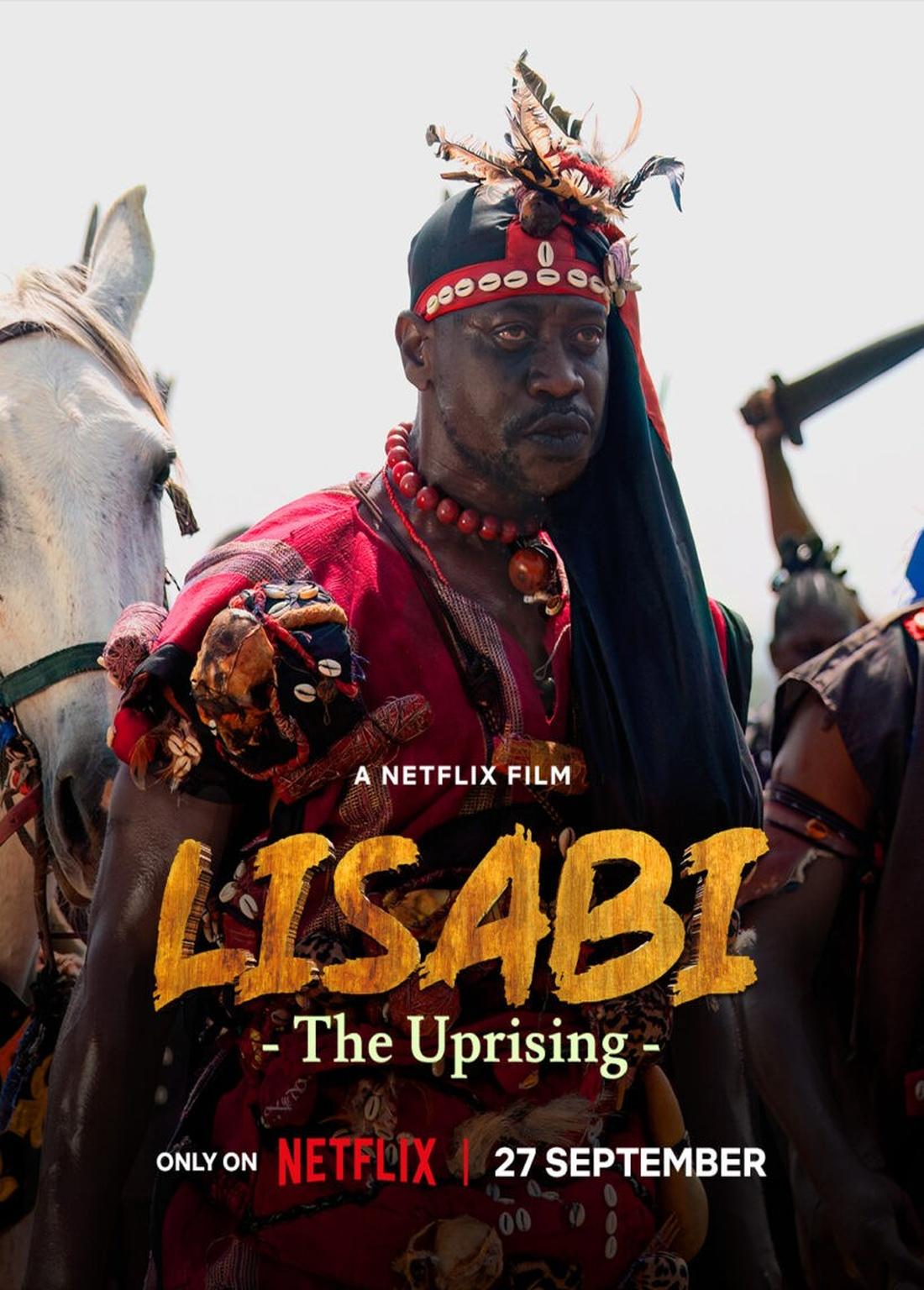
Lisabi: The Uprising brings to life one of Nigeria’s most significant yet often overlooked historical events, the Egba people’s resistance against the Oyo Empire. Released on September 27, 2024, and directed by Niyi Akinmolayan, the film immerses viewers in the late 18th century, a time when the Oyo Empire’s grip on the Yoruba people was at its peak. Through taxation, forced labor, and military oppression, the empire kept many smaller communities, including the Egba, under its control. But Lisabi Agbongbo-Akala, a humble farmer turned revolutionary leader, was determined to change that.
The film follows Lisabi (Lateef Adedimeji) as he secretly gathers warriors from different Egba clans, training them under the guise of a farmers’ cooperative. His plan? To launch a coordinated attack against the Oyo forces and liberate his people. With powerful performances from actors like Ibrahim Chatta, Odunlade Adekola, and Femi Adebayo, Lisabi: The Uprising doesn’t just tell a story of war; it highlights the courage, strategy, and sacrifices that came with fighting for freedom.
Beyond the action, the film pays close attention to Yoruba traditions, language, and governance. Shot entirely in Yoruba, it captures the cultural significance of the Egba struggle in a way that English or mixed-language films might not have achieved. From the rituals performed before battle to the political dynamics between the Alaafin of Oyo and the Egba leaders, the film serves as both a historical account and a cultural preservation project.
More than just a thrilling rebellion story, Lisabi: The Uprising brings up important questions about power, oppression, and resistance. It reminds us of a time when ordinary people, armed with little more than their wits and determination, stood up against an empire. The themes of leadership, betrayal, and resilience still resonate today, making it a must-watch for anyone interested in Nigerian history.
By placing this powerful moment on the big screen, Lisabi: The Uprising revives an important chapter of Nigeria’s past, one that deserves to be remembered and celebrated.
Hijack ’93 (2024)

Hijack ’93 takes us back to one of Nigeria’s most daring acts of political resistance, the hijacking of Nigeria Airways Flight 470 on October 25, 1993. Directed by Robert O. Peters, the film tells the gripping true story of four young pro-democracy activists (aged 16 and 18), Richard Ogunderu, Kabir Adenuga, Benneth Oluwadaisi, and Kenny Rasaq-Lawal, who took control of a domestic flight in a desperate bid to force the military government to step down and recognize Moshood Abiola as the rightful winner of the annulled June 12 presidential election.
At the time, Nigeria was in turmoil. The military government had crushed protests and silenced opposition voices, but these four young men weren’t willing to accept dictatorship without a fight. Armed with nothing but their convictions, they hijacked the plane and diverted it to Niamey, Niger, making global headlines. The film follows the tense hours inside the aircraft, the fear and confusion of the passengers, and the eventual surrender of the hijackers after a military intervention.
Featuring a strong cast, including; Nnamdi Agbo as Omar (Skipper), Adam Garba as Kayode (Eruku), Allison Emmanuel as Ben (Owiwi), Oluwaseyi Akinsola as Dayo (Iku), Nancy Isime as Iyabo, Efa Iwara as Captain Odion, and John Dumelo as Captain Ambrose, Hijack ’93 brings this historical event to life with intense drama and emotional depth.
The plot of the movie, based on the real-life events, follows four young men; Skipper, Eruku, Owiwi, and Iku, who embark on a daring mission. They drive to the airport and board a Nigerian Airways Boeing 747, piloted by Captains Ambrose and Odion, scheduled to fly from Lagos to Abuja on October 25, 1993. However, shortly after takeoff, the four armed teenagers seized control of the aircraft, identifying themselves as members of the Movement for the Actualization of Democracy (MAD).
As panic spreads among the passengers, the hijackers make their demands clear: they insist that the aircraft be diverted to Frankfurt, Germany, and call for the immediate resignation of Sani Abacha, Nigeria’s Defence Minister. With tensions rising and fuel running low, the plane is forced to land in Niamey, Niger. By this point, the hijacking has caught the attention of international media, drawing global focus to the unfolding crisis.
It highlights the sacrifices made in the fight for democracy and forces us to reflect on how far Nigeria has come, and how much further we still have to go. By revisiting this pivotal moment, the film not only entertains but also educates a new generation about the struggles that shaped the nation’s political landscape.
Oloibiri (2016)
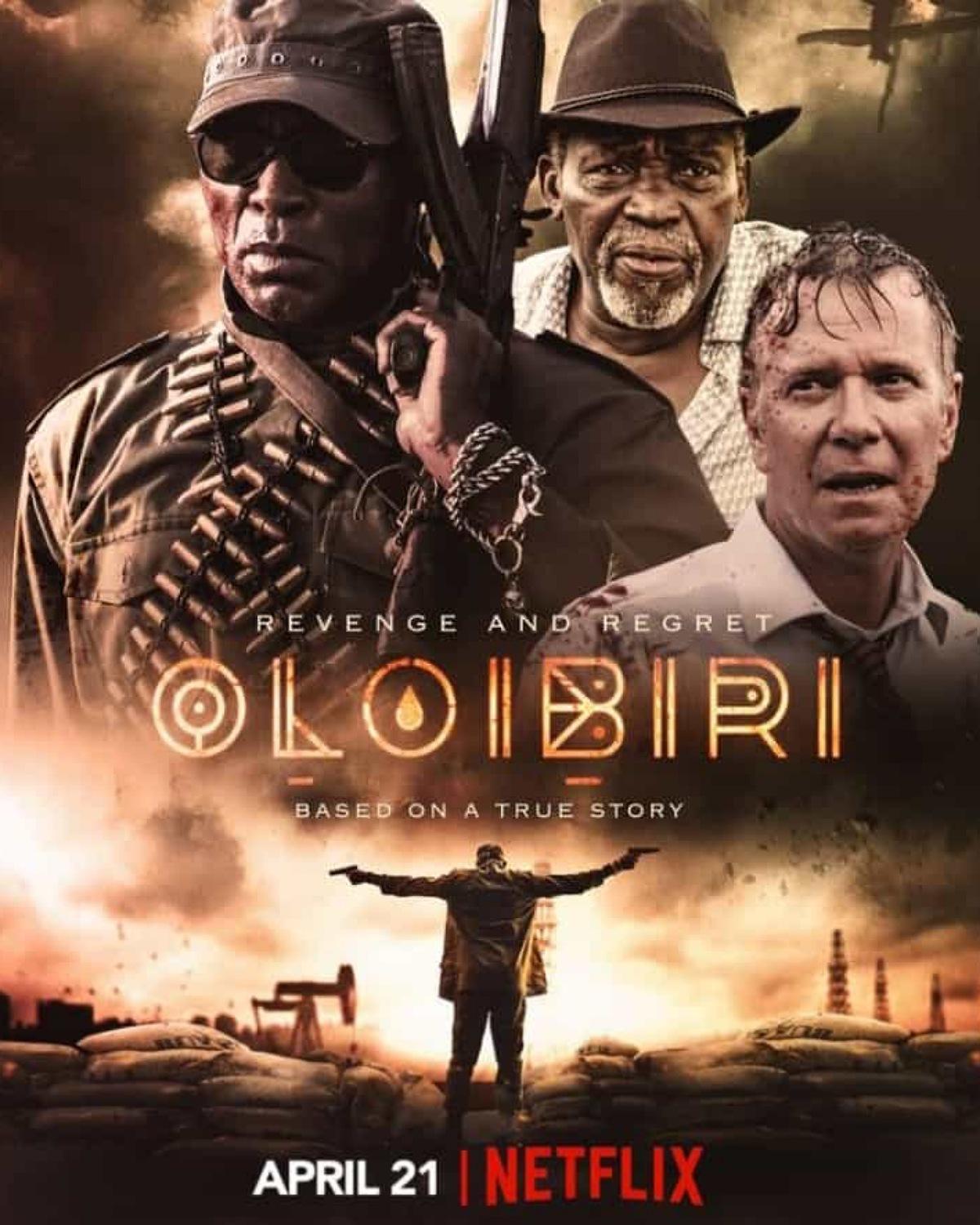
Oloibiri is not just another Nollywood film, it’s a hard-hitting reflection of Nigeria’s oil story, one that many would rather forget. Directed by Curtis Graham and released in April 21 2016, the film stars veteran actors like Olu Jacobs, Segun Arinze, and Richard Mofe-Damijo, who bring to life the untold struggles of the Niger Delta people after oil was discovered in their land.
The story follows Timipre (played by Olu Jacobs), an elder who has witnessed firsthand how his once-thriving community was destroyed by oil exploitation. Oloibiri, the town where Nigeria first struck oil in 1956, should have been a beacon of prosperity, but instead, it became a cautionary tale of greed, environmental destruction, and government neglect. The people got nothing from the wealth beneath their feet, only polluted lands, sickness, and abandoned promises.
Then there’s Boma aka Gunpowder (Richard Mofe-Damijo), a man who had dreams of a better life but ended up becoming a militant, fueled by anger at the injustice his people suffered. His character embodies the real-life frustrations of many young men in the Niger Delta who, after years of suffering, turn to violence as a last resort.
The film doesn’t just tell a story, it forces Nigerians to confront an uncomfortable truth: How did we let this happen? Why do the communities that fuel the nation’s economy still live in poverty? Why have oil companies and the government turned a blind eye to their suffering? These are the questions Oloibiri asks, making it one of Nollywood’s most important films about Nigeria’s resource curse.
Beyond the gripping performances and action-packed sequences, Oloibiri carries a deeper message. It highlights how a town that should have thrived ended up forgotten, how oil money built cities elsewhere but left its birthplace in ruins. It’s a film that reminds us that Nigeria’s history is not just about political struggles, it’s also about communities that have been left behind, and the real cost of economic success when it comes at the expense of the people.
Amina (2021)
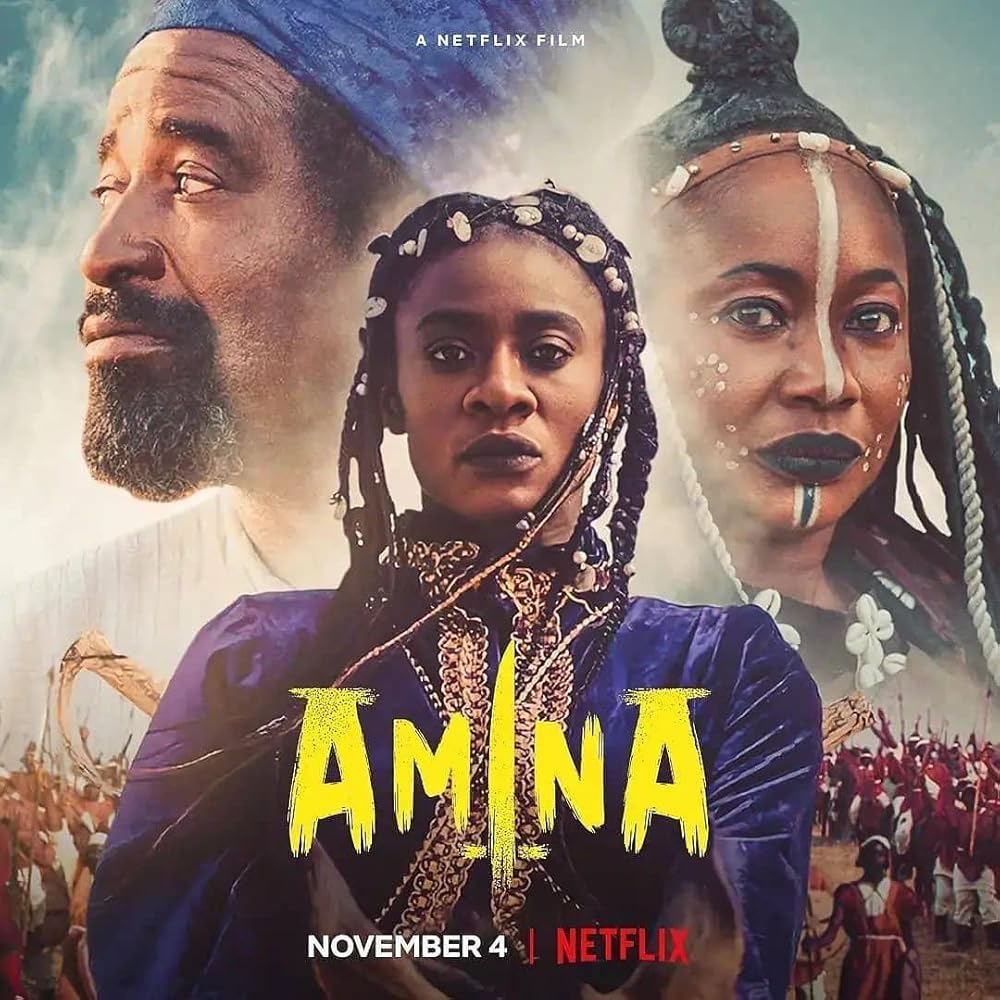
Amina brings to life the legendary Queen Amina of Zazzau, a warrior and ruler whose legacy has echoed through Nigerian history for centuries. Directed by Izu Ojukwu, the film stars Lucy Ameh as Amina, Ali Nuhu as Danjuma, Clarion Chukwurah as her Zumbura, and Magaji Mijinyawa as Madaki. Released on November 4, 2021, the film attempts to capture the rise of the iconic queen, showcasing her journey from a young princess to a formidable military leader.
The story follows Amina, a princess born into the royal family of Zazzau (modern-day Zaria), who, unlike other women of her time, is more drawn to the art of war than to palace politics. From a young age, she trains in combat, much to the disapproval of traditionalists who believe a woman’s place is not on the battlefield. But Amina is different, she is fearless, ambitious, and determined to prove herself. When her father, the Emir of Zazzau, dies, a power struggle ensues, and Amina finds herself at the center of political intrigue and war.
The film takes us through her rise to power as she leads her people in battles against rival kingdoms, expanding Zazzau’s territory and securing its dominance. However, leadership comes with sacrifices. Amina faces betrayals, heartbreak, and the heavy burden of ruling in a time when female warriors were seen as unnatural. She must choose between love and duty, between personal desires and the survival of her people.
Beyond its action-packed war sequences, Amina stands out for its attempt to portray a powerful female leader in a Nollywood industry that often sidelines women in historical narratives. However, like many historical films, it takes creative liberties due to limited records of Amina’s actual life, which has sparked discussions on historical accuracy versus storytelling.
Still, the film is an important contribution to Nigerian cinema. It puts Queen Amina’s name back in the spotlight, reminding audiences that long before colonial rule, before modern politics, Nigeria had fearless female leaders who shaped the course of history. In a Nollywood landscape that frequently focuses on submissive women, Amina breaks the mold, celebrating a queen who refused to be anything less than great.
October 1 (2014)
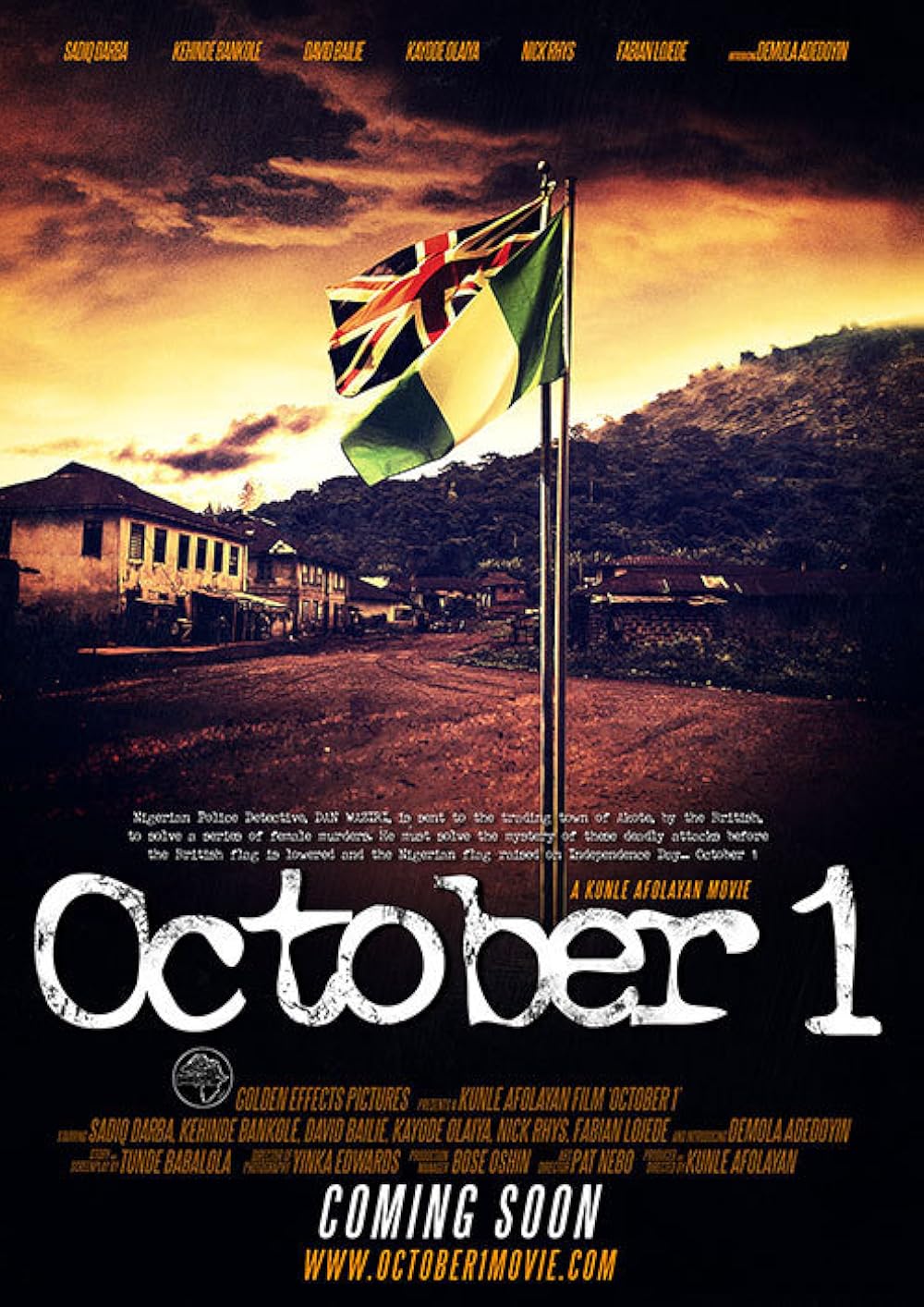
October 1 is a gripping historical thriller that doesn’t just entertain, it forces Nigerians to confront the complexities of their past. Directed by Kunle Afolayan and released in September 28, 2014, the film goes beyond the story of a murder mystery; it serves as a reflection of Nigeria’s uneasy transition from colonial rule to independence.
Set in 1960, just months before Nigeria officially gained independence, the film follows Inspector Danladi Waziri (Sadiq Daba), a northern police officer assigned to investigate a series of gruesome murders in the remote town of Akote. As he delves into the case, it becomes clear that the killings are not random, they are tied to deeper tensions between colonial rulers and the Nigerian people, as well as among the different ethnic groups preparing to take control of their own destiny.
Through characters like Prince Aderopo (Demola Adedoyin), a Western-educated prince whose loyalty to tradition is questionable, and Miss Tawa (Kehinde Bankole), a schoolteacher navigating the gendered expectations of her time, the film exposes the psychological and cultural consequences of colonialism. Father Dowling (Colin David Reese), the town’s British priest, represents the lingering influence of foreign rule, not just in governance but in education, religion, and personal identity.
What makes October 1 a true Nigerian story is how it captures the deep-seated issues that shaped the country at independence. The film doesn’t paint a rosy picture of newfound freedom. Instead, it highlights the ethnic divisions, class struggles, and unresolved traumas that were inherited from colonial rule, issues that still affect Nigeria today. The killings in Akote symbolize more than just crime; they represent the violence and betrayals that came with the rush toward self-rule.
By blending historical truth with suspenseful storytelling, October 1 becomes more than just a movie, it’s a reminder that Nigeria’s history is complex, layered, and sometimes uncomfortable. It forces us to ask difficult questions: Was the country truly prepared for independence? Were the seeds of division already too deep? And how do we move forward while acknowledging the realities of our past? This is what makes the film a vital part of Nollywood’s effort to document and interrogate Nigerian history.
Funmilayo Ransome-Kuti (2024)
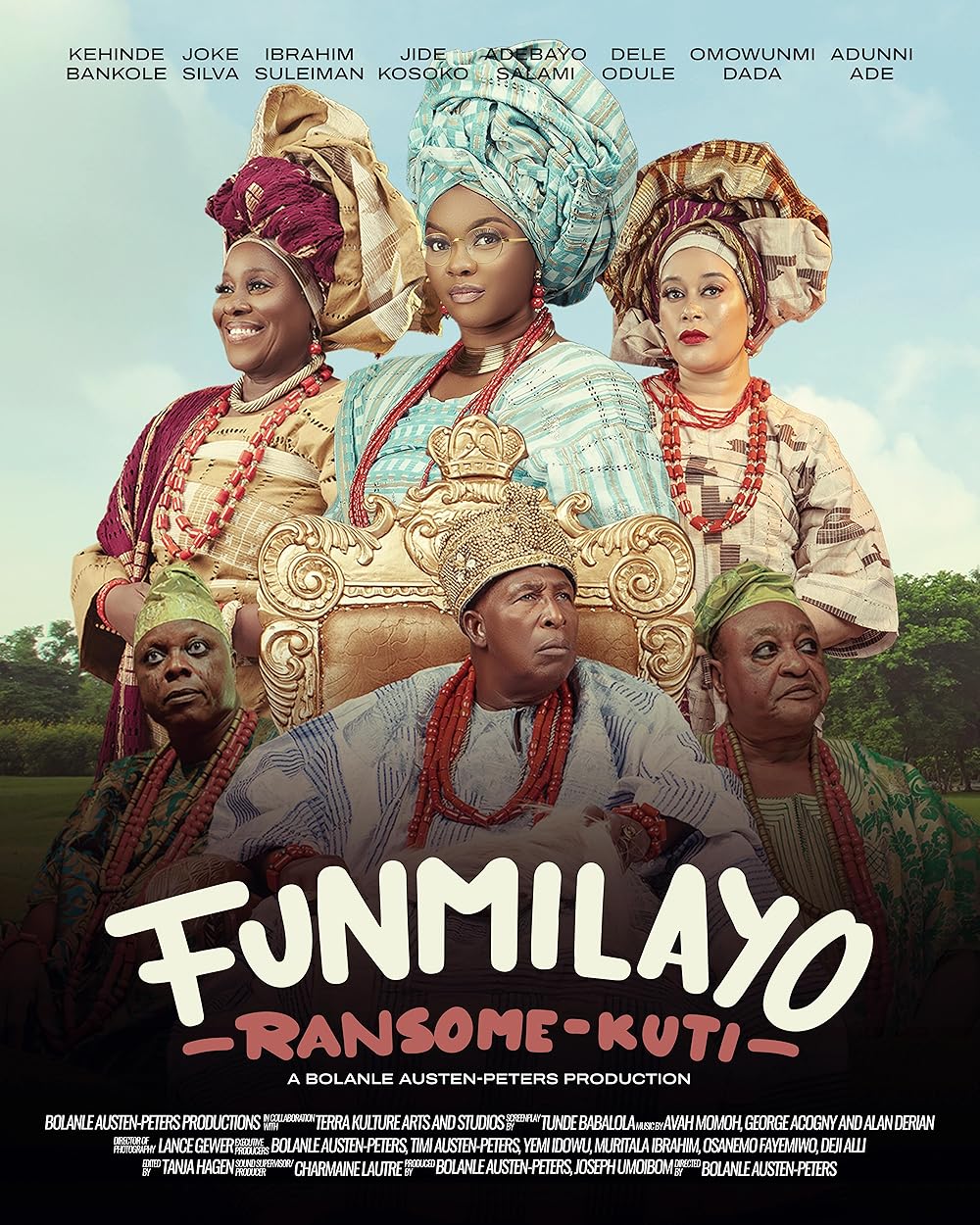
Funmilayo Ransome-Kuti isn’t just a movie, it’s an experience that brings one of Nigeria’s most iconic figures to life. Directed by Bolanle Austen-Peters, this film chronicles the life of Funmilayo Ransome-Kuti, a pioneering activist who fought for women’s rights, freedom, and Nigeria’s independence. What makes this film stand out isn’t just the fact that she was Fela Kuti’s mother, but that she was a force in her own right, challenging the colonial powers, speaking out for the voiceless, and fighting for a fairer society.
The movie stars Kehinde Bankole in the lead role, bringing Funmilayo’s courage and spirit to the screen. Alongside her, seasoned actors like Joke Silva, Adunni Ade, Omowumi Dada, Jide Kosoko, Adebayo Salami, and Ibrahim Suleiman round out the cast, each delivering powerful performances that capture the depth of the characters and the intensity of the political climate at the time. Set against the backdrop of the colonial era, the film takes us through Funmilayo’s leadership in protesting oppressive laws, like the “women’s tax,” and her tireless battle for political and social equality.
Released on May 17, 2024, Funmilayo Ransome-Kuti sheds light on a crucial part of Nigerian history, her role in challenging colonial rule and advocating for women’s rights. The movie doesn’t sugarcoat the struggles she faced, from facing harsh reprisals to dealing with personal sacrifices, but it also highlights the victories and her lasting impact. The film’s rich cinematography and attention to historical detail bring the world of the 20th century to life, giving us a glimpse into the life of this revolutionary woman who never backed down from fighting for justice.
More than just a biopic, the movie holds up a mirror to modern-day Nigeria, showing how far we’ve come and how much work remains, especially in the area of women’s rights. Funmilayo’s story is one that continues to resonate today, her activism laid the foundation for many of the freedoms Nigerian women enjoy now, but her message of equality, justice, and democracy is just as relevant in the face of contemporary struggles.
In Funmilayo Ransome-Kuti, we see the undeniable truth that women have always been at the forefront of shaping our nation. The film’s release has reignited conversations about the sacrifices made by women in Nigeria’s independence struggle and is a reminder of the important role they continue to play in our society.
The Legend of Inikpi (2020)
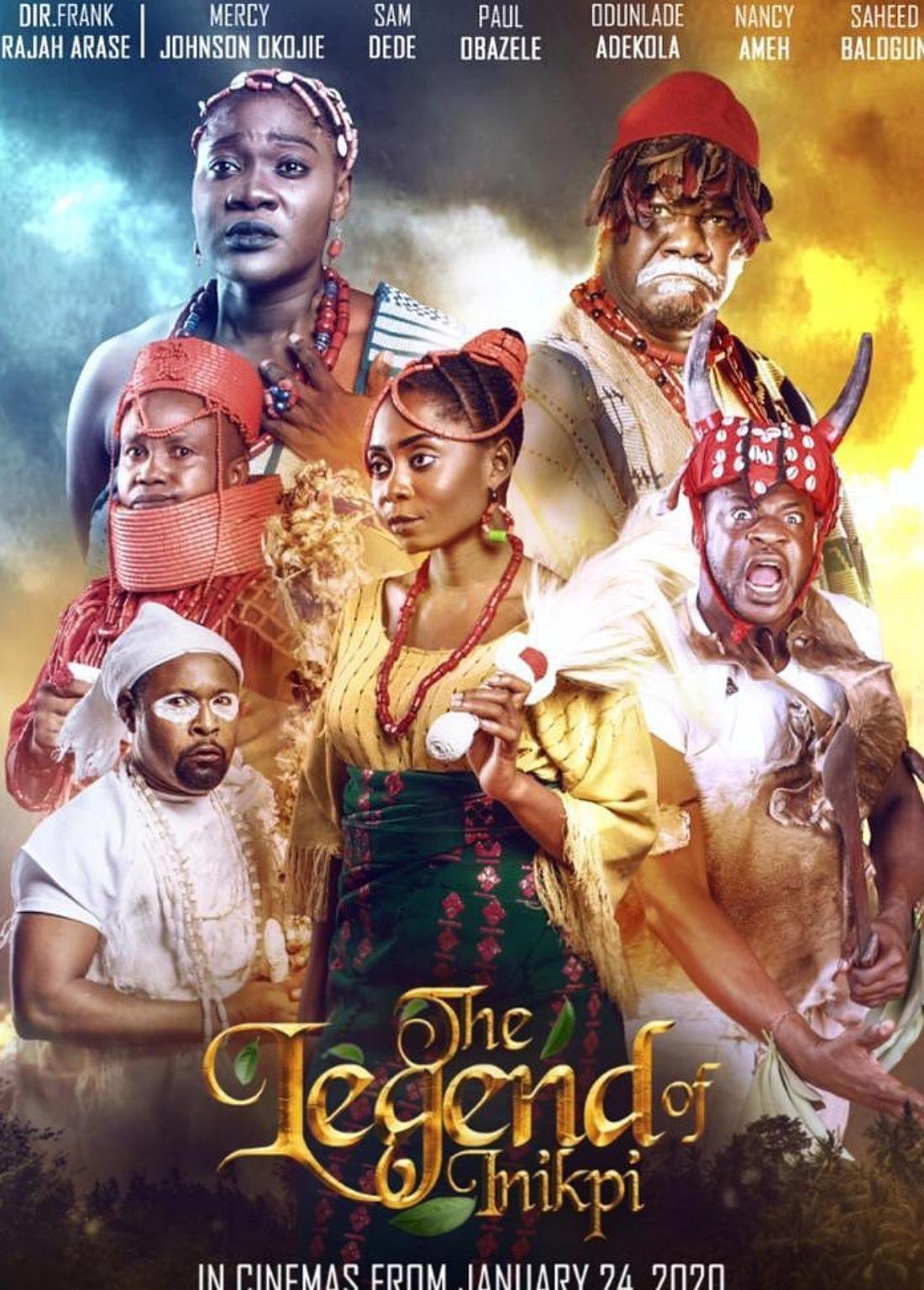
The Legend of Inikpi is a deeply moving film that tells the heart-wrenching story of Princess Inikpi, an iconic figure from the Igala Kingdom. Released in January 2020, the film captures a powerful moment in Nigeria’s history, a moment where sacrifice, duty, and leadership come together. Directed by Frank Rajah Arase, this film brings to life the legend of Princess Inikpi, who gave her life to save her people from an invading enemy. The way it portrays the Igala Kingdom’s rich traditions and the heart of its culture makes it more than just a historical drama.
Set in the 16th century, the Igala Kingdom faces an imminent war against the powerful Bini Kingdom. As tensions rise, the oracle declares that victory can only be secured through a great sacrifice. The burden falls on King Attah Ayegba, who is devastated when he learns what must be done; the life of his beloved daughter, Princess Inikpi. Caught between his duty as a king and his love as a father, he struggles with the heart-wrenching decision, knowing that the fate of his people rests on this ultimate sacrifice.
The story is all about Inikpi’s selfless act to protect her kingdom. The princess, who was beloved by her people, sacrificed her life knowing it would save the lives of many others. The emotional weight of the decision is what drives the story, and you can’t help but feel the depth of her commitment to her people. The film brings this powerful sacrifice to the screen in a way that feels both personal and universal, showcasing leadership and the difficult choices that come with it.
The cast does a beautiful job of bringing the characters to life, with Mercy Johnson Okojie playing the role of Queen Omele, Inikpi’s loving mother, and Sam Dede as the wise and sorrowful King Attah Ayegba. Nancy Ameh, who plays Princess Inikpi, brings an authenticity and raw emotion to the character, perfectly capturing the strength and grace required of someone in her position. You can truly see the internal struggle in her eyes, knowing the magnitude of the decision she’s about to make for her people.
But what makes The Legend of Inikpi even more special is the way it keeps alive the indigenous stories of Nigeria. It’s not just about telling a historical tale, it’s about preserving the cultures, the folklore, and the lessons that come with them. We don’t often hear about the stories of the Igala Kingdom in mainstream media, and this film offers an important glimpse into the culture and history that many people may not be familiar with. It’s a reminder of how valuable it is to hold on to our stories and pass them down to future generations, ensuring that these important pieces of our heritage are never forgotten.
Watching the film, you can’t help but think about the significance of Inikpi’s sacrifice and how it echoes the values of leadership, courage, and responsibility we need today. It’s not just the Igala Kingdom’s history being told, it’s the essence of what it means to lead with integrity and to protect the people you love. The Legend of Inikpi is a beautiful tribute to that legacy, and it’s one of those films that not only entertains but also makes you reflect on the true meaning of sacrifice.
Conclusion
Historical films are powerful, and in Nigeria, they play a huge role in shaping how we see ourselves and our past. These films don’t just entertain; they serve as important lessons, reminding us of the struggles, victories, and moments that have defined our nation. They help us connect with our roots, giving us a glimpse of the world our parents and grandparents lived through, while also keeping the memory of those experiences alive for future generations.
Nollywood, with its far-reaching influence, is at the heart of this effort. It’s more than just a film industry; it’s a space where Nigerian history is brought to life on screen, and where we get to see our story told from our perspective. Through these films, we not only celebrate our culture but also keep our history alive, something that is essential as we move forward. Young Nigerians, in particular, need to see themselves reflected in the narratives that are shared, so they understand their heritage and the lessons that can be learned from it.
One of the most exciting things about Nollywood is its ability to tell African stories in an authentic way. For so long, African history has been told through a lens that doesn’t always reflect our truth. But Nigerian filmmakers are changing that by telling our stories the way they really happened, showcasing the complexities of our cultures and experiences. These films remind us that our history is worth celebrating and that we are the ones who get to tell it.
Looking ahead, it’s clear that we need more filmmakers to keep telling our history. There are so many stories yet to be told, stories of our struggles, our fights for independence, our triumphs, and even our failures. These aren’t just stories for Nigeria; they’re stories for the world. By continuing to dive into our rich history, filmmakers can help us preserve these lessons for the future, making sure we never forget where we come from.
So, as we continue to move forward, let’s keep these stories alive and ensure that our history is shared with pride, not just for the sake of entertainment, but as a way to honor the past and inspire future generations.