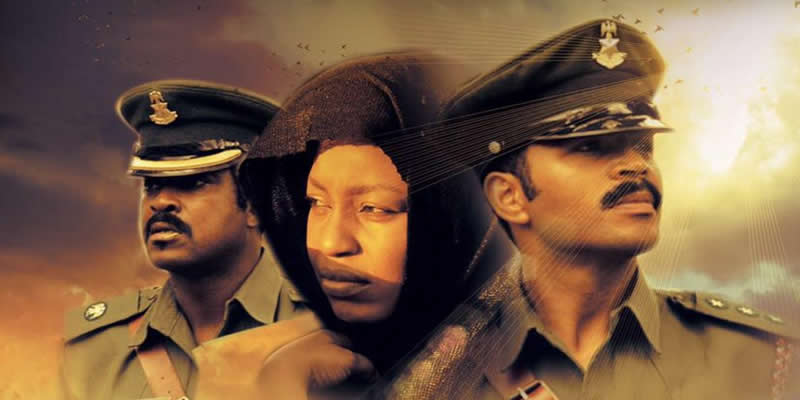
Some Nollywood films don’t just pass through your screen, they settle in your chest and stay there. They linger, not because of how loud the scenes were or how dramatic the actors got, but because they touched something real. You might not even remember the exact dialogue, but you remember how it made you feel. The kind of stories that pull you in slowly, then leave you thinking about them long after the credits roll. These are the emotional ones, the ones that cracked something open. Let’s talk about a few that did just that.
12 Most Emotional Nollywood Movies You’ll Never Forget
There’s something about a real Nollywood story that just stays with you. You can be sitting in traffic or minding your business at work, and out of nowhere, a scene from a movie you watched years ago will flash in your head, and for a second, you’ll feel everything all over again. That’s the thing with Nollywood: when it’s emotional, it’s not just a movie. It feels personal. It reminds you of home, of mistakes, of heartbreak, of prayers you once whispered into your pillow.
Some films don’t just entertain; they hold your chest and squeeze. And if you grew up with Nollywood like I did, you already know the kind of movies I’m talking about. Today, let’s talk about twelve of them, the ones you watched once and never truly recovered from.
The Narrow Path (2006)
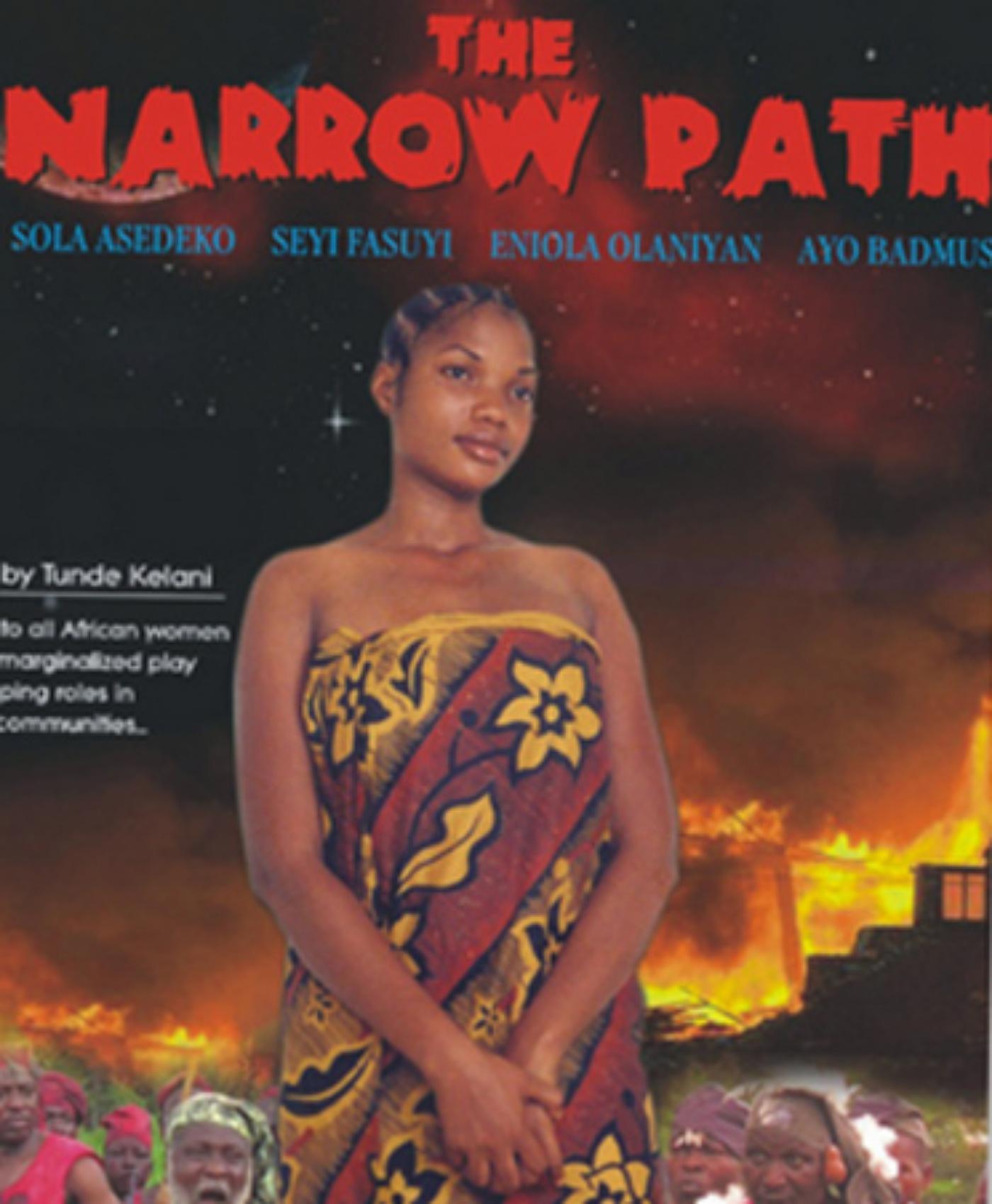
If you ever need a film that doesn’t just tug at your emotions but actually plants you deep inside another world, The Narrow Path is a journey you won’t forget. Directed by Tunde Kelani and released in 2006, this movie is an adaptation of Bayo Adebowale’s novel The Virgin, and like most of Kelani’s work, it is soaked in rich Yoruba culture, language, music, and life. It’s not just a film; it’s a time machine.
The story is set in a peaceful rural village called Orita sometime in colonial-era Nigeria, a place where traditions rule life and the idea of a woman’s purity is tied to the very fabric of the community’s honor.
At the center of it all is Awero (played with such natural grace by Sola Asedeko), a young beautiful girl who finds herself trapped between tradition, expectation, and her own innocence.
Awero is betrothed to Odejimi (played by Segun Adefila), a brave hunter from a neighboring village, and their union is supposed to seal peace between two sometimes-warring communities. But on the eve of their wedding, tragedy strikes, Awero is violated by another man, a brutal act that completely shatters not just her life, but threatens to tear two entire villages apart.
You can feel every beat of Awero’s silent shame, the weight of a culture that blames the victim, the slow, agonizing unraveling of a love that was supposed to be her salvation.
It’s one of those rare Nollywood films that doesn’t just “tell” you what’s happening, it makes you live it. You can almost hear the rustle of the forest, smell the earth after rain, feel the hot, judging stares of the villagers.
Kelani doesn’t rush it. He lets the camera linger on faces, on landscapes, on silences, making you feel the enormity of every small decision.
The Narrow Path is not loud. It’s a quiet, devastating heartbreak. It’s the story of a girl forced into a battle between personal trauma and communal expectations. And it poses deep questions: How do you rebuild trust when the world demands perfection from your brokenness? How does a woman find her voice in a culture that demands her silence?
Musically, the movie is rich too. Tunde Kelani, as always, weaves traditional Yoruba music into the fabric of the story, drums, songs, chants, they aren’t background noise; they’re part of the soul of the film.
Released in 2006, The Narrow Path didn’t make huge box office waves like today’s flashy blockbusters, but it carved a permanent place in serious Nigerian cinema. For anyone who values storytelling that feels real, rooted, and emotionally honest, this film is unforgettable.
Sola Asedeko’s performance as Awero is quietly powerful. She doesn’t need dramatic monologues; her eyes, her silence, her trembling lips carry more emotion than a hundred words could.
At the end of The Narrow Path, you don’t just walk away thinking about Awero, you walk away thinking about how deeply culture, gender, honor, and forgiveness can both build and destroy lives. And that’s the kind of story you don’t forget.
Sitanda (2006)

There are movies you watch and move on from. And then there are movies like Sitanda, slow-burning stories that quietly plant something in you, something you don’t even realize until hours, sometimes days later.
Released in 2006 and directed by the masterful Izu Ojukwu, Sitanda feels different from the moment it begins. It’s not loud or desperate for your attention; it simply invites you into its world, a world where the past and present are so tightly woven that pulling one thread threatens to unravel everything.
The story runs on two tracks, but it doesn’t feel disjointed. On one hand, you have Ann (played by Stephanie Okereke, now Stephanie Linus), trapped in a cold, crumbling marriage to Amanzee (Bimbo Manuel). Amanzee blames every setback in his life on Ann, convinced she carries a family curse. One rainy day, the tension between them becomes painfully visible when Amanzee uses an umbrella selfishly for himself, leaving Ann soaked and humiliated, a small moment, but one that says everything about their broken relationship.
Ann, heartbroken and tired, returns to her father’s house, and it’s there that her father reveals the story of Sitanda, a key figure in her family history. Because Ann’s story is not just hers. It’s tied to the story of her ancestor, Sitanda, a young prince kidnapped from his home, stripped of his identity, and forced into slavery. Even as a captive, Sitanda finds something beautiful in the wreckage: love.
He falls deeply for Sermu, a fellow slave whose spirit refuses to be crushed. When Sitanda later discovers that he is of royal blood, the expected thing would have been to fight his way back to power. But instead, he chooses love, he chooses Sermu.
He rejects the throne, choosing instead the life of an outcast, embracing loyalty over status. That act of sacrifice, hundreds of years ago, casts long shadows over Ann’s life in the present. The rejection she faces, the loneliness she feels, they all echo back to Sitanda’s decision. Sitanda is not just about love and betrayal. It’s about lineage. It’s about the unseen battles fought generations before us that still shape who we are today.
The way Ojukwu tells it, you never feel lost in the switching timelines. Instead, the past and present dance around each other, painful memories informing current wounds. When Amanzee eventually learns the full history, the shame of his ignorance hits him hard. He realizes the woman he blamed was not a curse to him, but a blessing he didn’t deserve.
Visually, Sitanda is a quiet feast. No bustling cityscape. No over-the-top production tricks. Just the raw beauty of rural Nigeria; red earth, sweeping skies, and the kind of scenery that feels deeply ancient, like it has been breathing for centuries.
When Sitanda dropped in 2006, it was no surprise when it swept the Africa Movie Academy Awards (AMAA), winning Best Picture, Best Director, and more. It didn’t do it by shouting. It did it by touching something deep in every viewer, something that lingers long after the final scene fades out.
Because Sitanda isn’t just a movie. It’s a memory. It’s a legacy. It’s the painful and beautiful truth that sometimes, to truly find yourself, you have to understand the people who walked before you.
The Figurine: Araromire (2009)
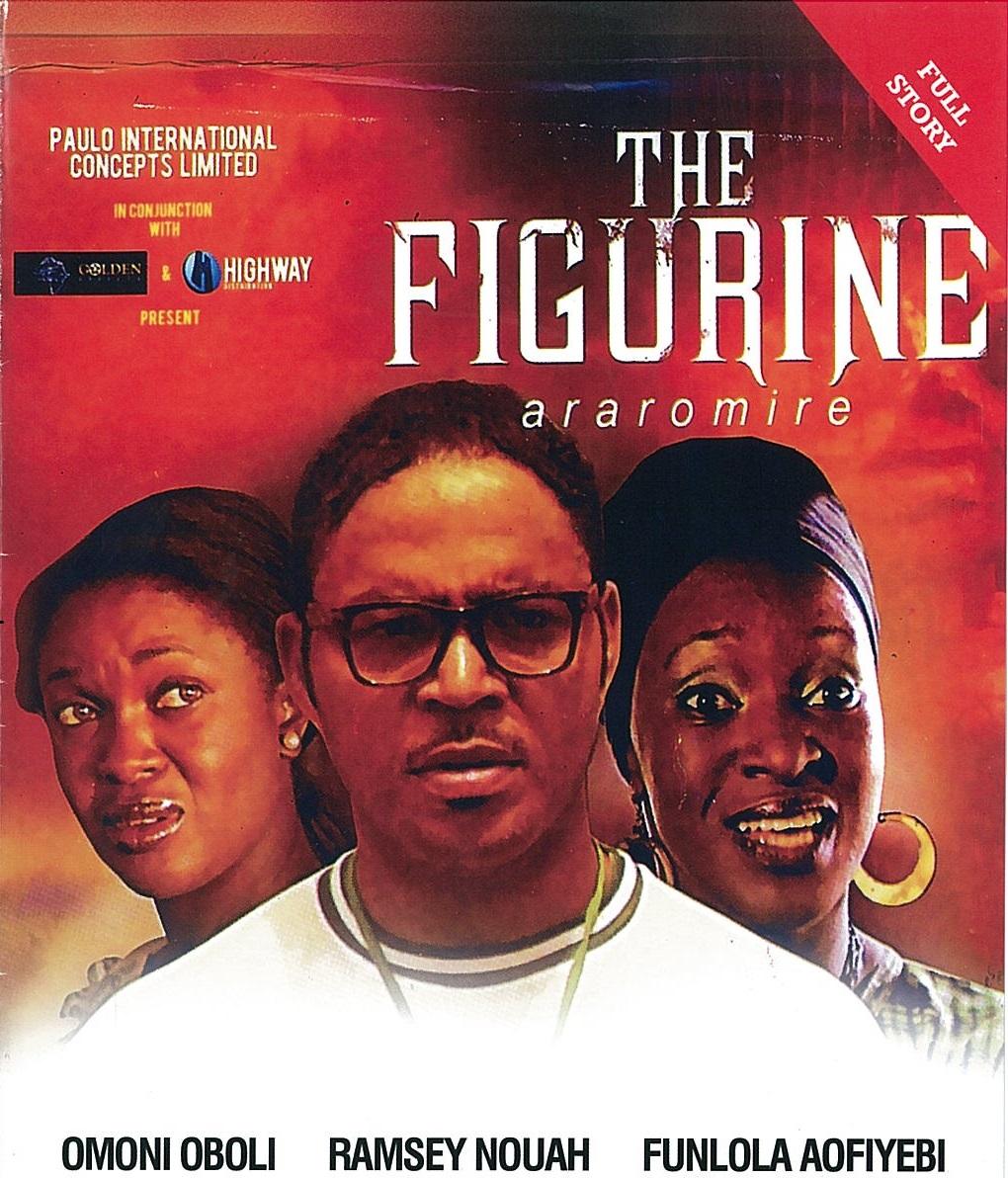
Some movies don’t just entertain, they mark a shift. In Nollywood, The Figurine wasn’t just another box office success. It was a statement. Released in 2009 and directed by Kunle Afolayan, The Figurine: Araromire felt like a breath of fresh air at a time when Nigerian cinema was struggling with quality inconsistencies. Afolayan didn’t just make a movie; he crafted an experience, one that made both audiences and filmmakers sit up and realize that Nollywood could be more.
At its core, The Figurine tells the story of two close friends, Femi (played by Kunle Afolayan himself) and Sola (played by Ramsey Nouah), whose lives take a strange and haunting turn after they discover an ancient figurine during their NYSC service year in a remote village.
That figurine isn’t just art. It’s linked to the legend of Araromire, a mythical goddess believed to grant seven years of incredible good luck, followed, inevitably, by seven years of unspeakable misfortune. Initially, everything feels like a dream come true. Fortunes change overnight. Sola, who had always lived under the shadow of Femi, suddenly rises, career booming, life sparkling. He wins the heart of Mona (Omoni Oboli), the woman they both loved, and life seems to lay itself out perfectly at his feet.
But good things never come free. As the years creep by, what once felt like blessings start to twist into nightmares. Success mutates into betrayal. Friendship curdles into suspicion. Love, once pure, becomes a battlefield of paranoia and heartbreak.
What makes The Figurine truly unforgettable isn’t just the surface plot. It’s how it blurs the line between the supernatural and the psychological. Are the characters victims of an ancient curse? Or are they simply haunted by their own guilt, ambition, and fear? Afolayan doesn’t spoon-feed you answers. Instead, he invites you into a layered world where folklore, destiny, and personal choice collide, and it’s up to you to decide what you believe.
Visually, The Figurine was revolutionary for its time. The cinematography by Yinka Edward captured an eerie beauty, dense forests cloaked in mist, abandoned shrines that seemed to breathe, every shot thick with atmosphere. The attention to detail, the sound design, the careful pacing, it all came together to create a movie that didn’t just tell a story but made you feel it in your bones.
By the time the movie reaches its unsettling climax, you’re not just watching characters unravel, you are them, trapped in the same web of doubt and fear, wondering if fate is real or just a story we tell ourselves to make sense of chaos.
The Figurine went on to win five awards at the Africa Movie Academy Awards (AMAA) 2010, including Best Picture, Best Cinematography, and Best Visual Effects. It didn’t just succeed critically, it became a cultural moment, sparking discussions about destiny, mental health, friendship, betrayal, and the thin, sometimes invisible line between myth and reality.
But maybe the biggest reason The Figurine stays with you is that it taps into something every Nigerian instinctively understands, the idea that history, spirits, and unseen forces are never truly buried. That sometimes, the past or the gods, will always come knocking, no matter how far you run.
Tango with Me (2010)
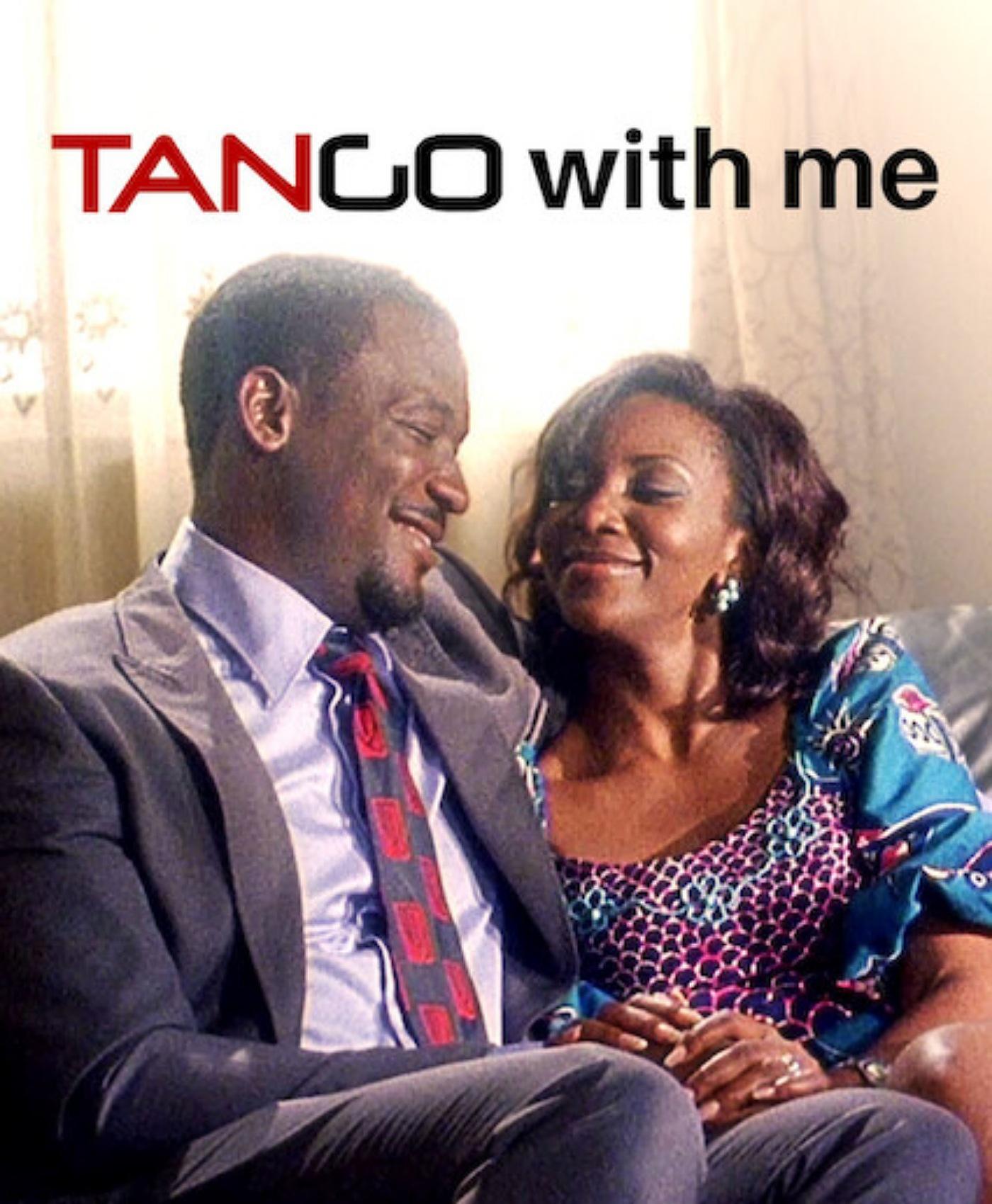
Some movies don’t need a thousand scenes of drama to break you. Sometimes, it’s the quiet ones, the ones that mirror real, everyday pain, that hit you the hardest. Tango with Me is that kind of movie.
Released in 2010 and directed by the late Mahmood Ali-Balogun, Tango with Me was a bold and delicate exploration of love tested by unimaginable tragedy. It wasn’t trying to be trendy or loud. It was simply honest, brutally honest, about the kind of wounds that don’t show on the skin but bleed deep inside marriages and human hearts.
The story follows newlyweds Lola (played with heart-wrenching vulnerability by Genevieve Nnaji) and Uzo (Joseph Benjamin) as they begin what should have been the happiest chapter of their lives. But life, as it often does, has other plans.
On their honeymoon night, the very night meant to seal their joy, something devastating happens: Lola is sexually assaulted. And everything, everything changes.
The brilliance of Tango with Me is that it doesn’t sensationalize the tragedy. It doesn’t use it for shock value. Instead, it sits quietly with the aftermath, with the awkward silences, the misplaced anger, the guilt, the helplessness. You watch Lola and Uzo try, and painfully fail, to find their way back to each other. You see a love that was once so certain become riddled with shame, resentment, and loneliness.
There are no easy villains here. Uzo, heartbroken and confused, struggles between wanting to protect Lola and selfishly wishing things could go back to “normal.” Lola, crushed by the weight of her trauma, feels isolated even in the arms of the man she loves. Both of them are good people trapped in a nightmare neither was prepared for.
What Tango with Me does so well is show that healing is not a straight line. It’s messy. It’s full of relapses, misunderstandings, and small, hard-won victories. It’s about choosing over and over again, to stay, to fight, to believe that broken things can be made whole.
Visually, the movie keeps things simple and intimate, letting the performances do the heavy lifting. Genevieve’s portrayal of Lola is nothing short of masterful, her silences often speak louder than her words. Joseph Benjamin delivers one of his career-best performances, capturing a man torn between love, ego, and helplessness.
When it was released, Tango with Me was met with critical acclaim. It received five nominations at the Africa Movie Academy Awards (AMAA) 2011, including Best Picture, Best Director, Best Actress (Genevieve Nnaji), and Best Actor (Joseph Benjamin).
But beyond awards, what made Tango with Me unforgettable was its heart. It wasn’t just a story about tragedy, it was a story about survival. About the silent battles many couples face behind closed doors. About forgiveness, not the easy kind that comes with words, but the kind you have to work for every single day.
In a landscape filled with louder, flashier dramas, Tango with Me stood out because it dared to be soft, real, and deeply human. It didn’t scream for your attention. It earned it, and it stayed with you long after the credits rolled.
Tango with Me reminds us that love, at its truest, is not found in the perfect moments, But in the messy, broken, healing ones.
Ijé: The Journey (2010)
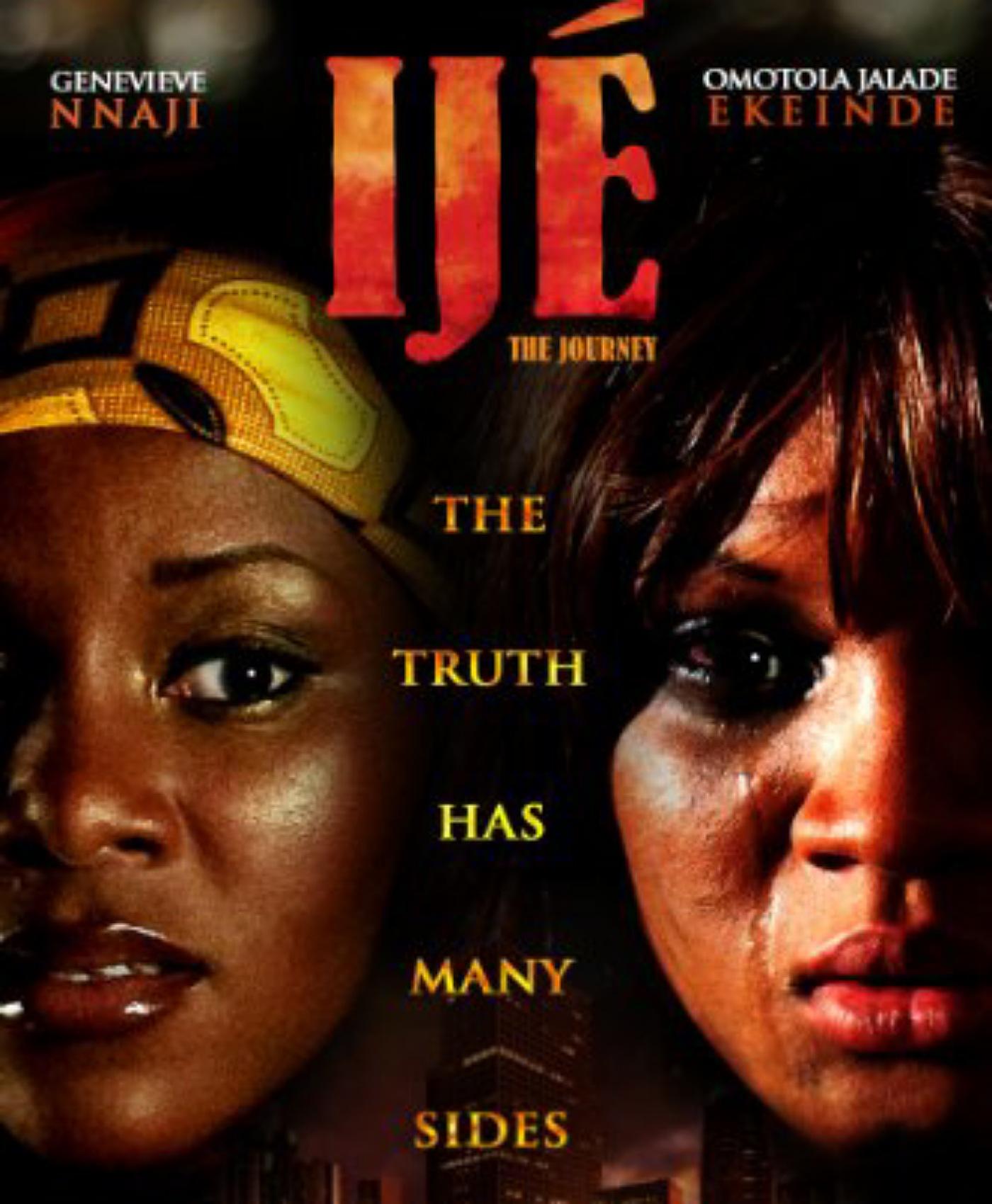
Ijé: The Journey is one of those emotional movies that leaves you thinking even after the credits roll. Released in 2010 and directed by Chineze Anyaene, Ijé was not just a film; it was a major milestone for Nollywood, both in storytelling and production quality. It was one of the early films that showed Nigeria could tell global stories, with all the technical polish the international stage demands, without losing the soul of our culture.
The movie follows Chioma (Genevieve Nnaji), a reserved, strong-willed woman living a quiet life in Nigeria. Her life is suddenly turned upside down when she receives devastating news: her sister, Anya (Omotola Jalade-Ekeinde), has been arrested in the United States for the murder of her husband and two other men.
Without hesitation, Chioma boards a plane for America, not just because blood is thicker than water, but because she believes, deep down, that the Anya she grew up with could never do something so monstrous. But when she arrives, Chioma finds that the sister she idolized is not quite the woman she remembered. Anya is bruised, broken, and hiding secrets she can barely admit to herself.
The beauty of Ijé lies in the layers it peels back slowly, almost painfully. As Chioma digs into Anya’s life abroad, she discovers not just the brutal racism and abuse her sister endured at the hands of her husband, but also the crushing isolation of being an immigrant woman trapped in a toxic marriage, far from the home that once gave her strength.
It is not a simple murder mystery. It is a story about loyalty, about the lies families tell to protect each other, and about the silent battles many women fight in foreign lands, battles that are often invisible to the people they left behind.
Genevieve Nnaji and Omotola Jalade-Ekeinde were already two of Nollywood’s brightest stars, but Ijé showed a different side of them. Genevieve’s performance as Chioma is all about restraint, the kind of quiet strength that speaks even when no words are spoken. Omotola, on the other hand, delivers a raw, almost painful portrayal of a woman crushed by love, betrayal, and the impossible choices that come with survival.
The cinematography is another standout. Shot across various locations in Los Angeles and Nigeria, the movie beautifully captures the contrast between two worlds: the bustling warmth of home and the cold, lonely corridors of a foreign justice system that does not always see the full human story behind its cases.
When Ijé hit cinemas, it broke several box office records for a Nigerian film at the time. It also won numerous awards, including Best Film at the San Diego Black Film Festival and Best Screenplay at the Harlem International Film Festival, among others.
But beyond its awards and impressive technical feats, Ijé remains unforgettable because it taps into something so many Nigerians, and Africans in general, understand at a bone-deep level: the search for greener pastures can sometimes come at a devastating cost. And no matter how far you travel, family, with all its complicated love, pain, and forgiveness, remains the ultimate journey.
At the heart of Ijé is a simple but powerful truth: sometimes, saving someone you love is not about finding them innocent; it is about standing beside them when the whole world calls them guilty.
Maami (2011)
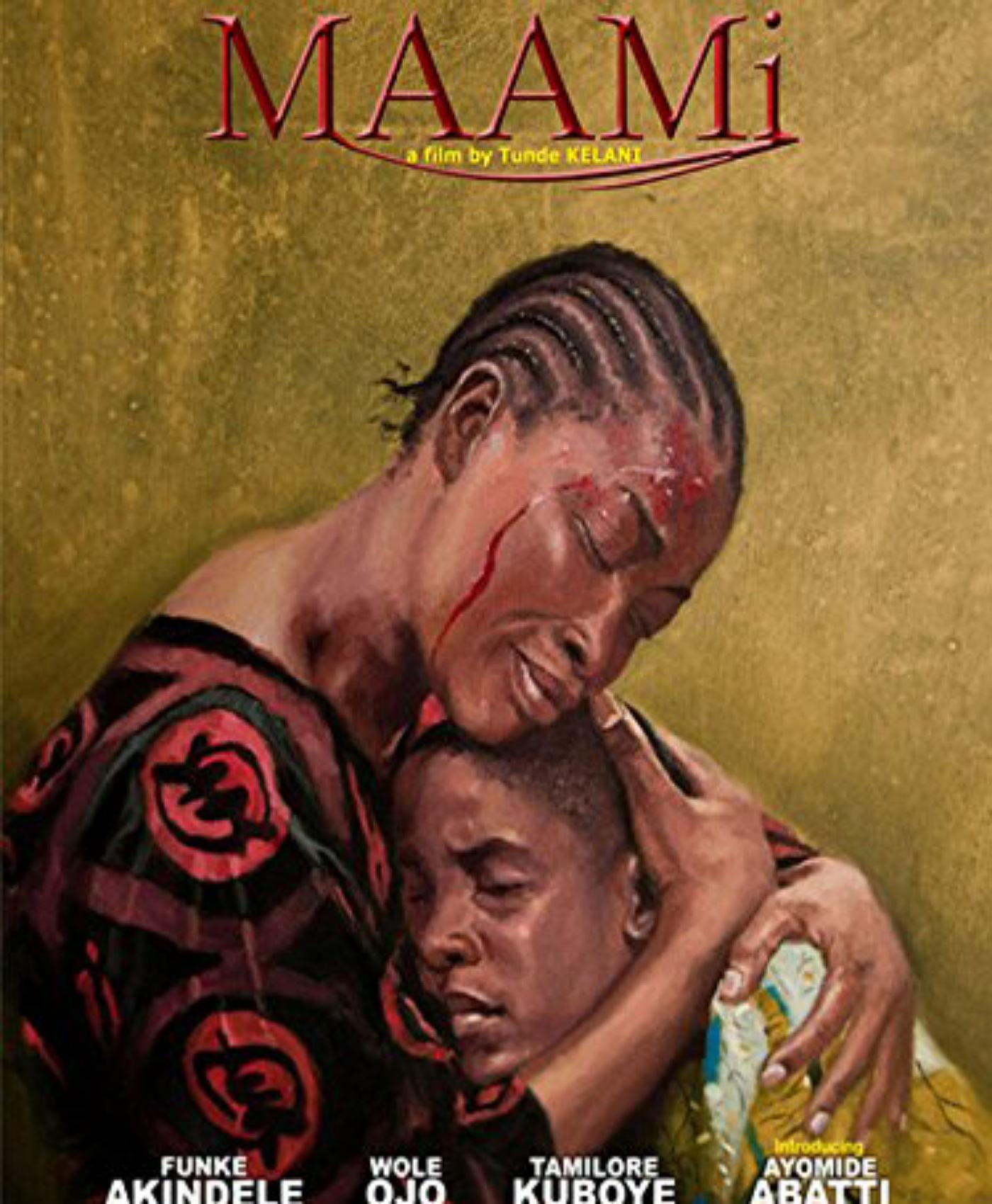
When you talk about Nollywood movies that hit you deep in the chest, not with over-exaggerated drama, but with quiet, lingering emotion, Maami stands tall. Released in 2011 and directed by the legendary Tunde Kelani, Maami is not just a film; it’s an experience layered with love, sacrifice, poverty, and the complexities of Nigerian life.
Adapted from Professor Femi Osofisan’s novel of the same name, the story unfolds in the city of Abeokuta just two days before the 2010 World Cup. It follows Kashimawo (played by Wole Ojo), a Nigerian football star who returns home burdened with memories of his tough childhood, memories centered around his mother, Maami (played brilliantly by Funke Akindele in a rare deeply dramatic role).
What makes Maami unforgettable isn’t just the plot, it’s the way Tunde Kelani weaves everyday Nigerian struggles into something profoundly personal. The narrative dances between the past and the present, showing how Maami, a poor single mother, fought to raise Kashimawo in the harshest conditions, shielding him from a violent father he barely knew.
Funke Akindele’s performance here deserves endless praise. She sheds every trace of her usual comic persona to deliver a raw, heart-wrenching portrayal of a woman who would do absolutely anything, including enduring poverty and humiliation, just to give her son a fighting chance at life. There’s a scene where Maami sells almost all her possessions just to buy Kashimawo a school bag, it’s such a simple act, but the emotions packed into that moment stay with you long after the credits roll.
At its core, Maami is a love letter to Nigerian mothers, especially the silent heroes who raise great men and women with little or no help. It touches on deep themes: the absence of fathers, the erosion of moral values, the dignity in hard work, and the hope that keeps people alive through the worst kinds of poverty.
Tunde Kelani’s cinematography here deserves a separate shout-out. Abeokuta, with its rocky landscapes, rusty rooftops, and bustling markets, becomes a living, breathing character in the story. The color tones are muted, natural, and beautifully nostalgic, pulling you even deeper into Kashimawo’s world.
When it was released on DVD around 2013, Maami wasn’t just praised for its storytelling; it was celebrated for how it elevated Nollywood’s standard for adapting literary works. It didn’t try too hard to be “movie-like”, it stayed grounded, emotional, and 100% Nigerian in its soul.
Even years later, when people talk about Nollywood films that pierced their heart without screaming about it, Maami always comes up.
Last Flight to Abuja (2012)

Last Flight to Abuja (2012), directed by Obi Emelonye, is a gripping film that tells the emotional and tragic story of a group of passengers on a flight from Lagos to Abuja, all of whom are unaware that they are boarding a doomed aircraft. The film explores themes of regret, betrayal, and the fragility of life, with a focus on the emotional turmoil of the passengers before the crash. It premiered at a London screening on 29 June 2012, then opened in Nigerian cinemas in early August 2012.
It was inspired by the tragic series of plane crashes in 2006 that rocked the Nigerian aviation industry. The film frames its narrative around the last Flamingo Airways flight from Lagos to Abuja on a Friday night in 2006, intercutting between scenes on the ground and onboard tensions.
The story introduces us to Suzie (Omotola Jalade-Ekeinde), a woman who is grappling with the betrayal of her fiancé, Dan (Ali Nuhu). Her heartbreak is compounded by her personal crisis as she boards the flight, still uncertain about the future of her relationship. Adesola (Hakeem Kae-Kazim), a corporate man, faces the fallout from a scandal that threatens his career. Meanwhile, David (Jim Iyke) is dealing with the emotional wreckage of his personal life, burdened with guilt and unresolved issues.
As the flight progresses, mechanical failures begin to surface, heightening the tension in the cabin. The passengers are unaware of the impending disaster, but the emotional weight of their personal struggles becomes increasingly palpable. Suzie, Adesola, and David each reflect on their regrets and unresolved conflicts as the situation worsens. The film builds the suspense slowly, focusing more on the passengers’ inner turmoil than the technicalities of the disaster.
When the plane ultimately crashes, the destruction is not just physical, it’s the tragic culmination of the emotional struggles of the characters. The aftermath of the crash leaves the survivors to face the consequences of their choices, and the film leaves a lasting impact with its poignant exploration of life, death, and the relationships we sometimes take for granted.
Despite its relatively modest box office earnings of ₦57 million, Last Flight to Abuja is notable for its deep emotional storytelling and strong performances, particularly from Omotola, Hakeem Kae-Kazim, and Jim Iyke. The film’s nomination for five Africa Movie Academy Awards further solidifies its place as one of Nollywood’s more powerful dramas, reminding viewers of the unpredictable nature of life and the emotional baggage we all carry.
Dry (2014/15)
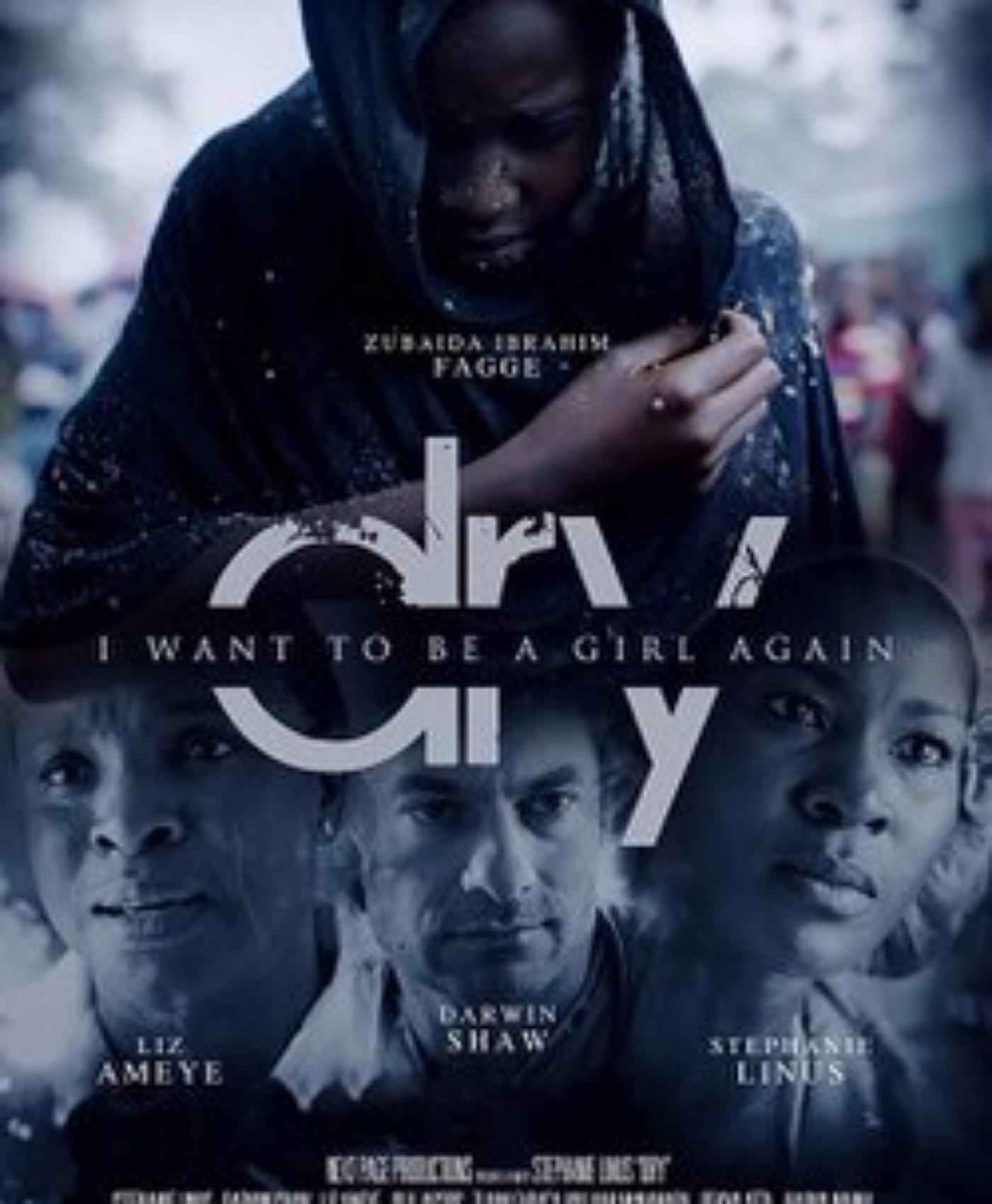
There are movies you watch and enjoy, and then there are movies like Dry that leave you changed. Directed by Stephanie Linus (formerly Stephanie Okereke) and first released at festivals in 2014, then widely in 2015, Dry isn’t just a film, it’s a heavy, heartbreaking mirror held up to society. It’s the kind of movie that reaches into your soul and demands that you feel, that you think, that you do something.
Dry is centered on a topic so painfully real that most people would rather look away, child marriage and vesicovaginal fistula (VVF), a childbirth injury that leaves young girls leaking urine uncontrollably after obstructed labor, often because their bodies were too immature for childbirth.
And Stephanie Linus doesn’t flinch away from the horror of it.
The film follows the story of Halima (played by the young and brilliant Zubaida Ibrahim Fagge), a thirteen-year-old girl who is married off to a much older man. After being forced into childbirth too early, she suffers from VVF, a condition that turns her into an outcast, even among her own people.
Halima’s story is woven with that of Dr. Zara (played by Stephanie Linus herself), a Nigerian doctor living abroad who returns home and finds herself face-to-face with the brutal realities she thought she had left behind.
What makes Dry so unforgettable is that it doesn’t just show you Halima’s pain; it makes you sit with it.
You watch her innocence stolen, her health destroyed, and her dignity stripped, and you can’t look away. The cinematography doesn’t glamorize the poverty or tragedy either. It shows it raw: cracked lips, dusty villages, dark hospital wards, silent weeping.
And the emotional weight doesn’t stop with Halima.
Zara’s character brings another layer of hurt, a woman running from her own traumatic past, carrying scars that still bleed under the surface. Her journey back home isn’t just physical; it’s deeply emotional, a reconnection with the part of her soul she tried to abandon.
Released officially across Nigerian cinemas in 2015, Dry became a conversation starter nationwide, not because it was easy to watch, but because it was necessary. Stephanie Linus spent years researching real-life cases of VVF victims across Nigeria and other African countries, and you can feel that authenticity dripping from every scene.
It’s not just another movie about “a social issue”, it’s an urgent, personal, human story.
The acting across the board is painfully real. Zubaida Ibrahim Fagge, especially as Halima, delivers a performance so heartbreaking and so unpolished that it almost feels like you’re watching a documentary instead of fiction. Stephanie Linus herself plays Zara with a calm, haunted strength, a woman strong for others but crumbling inside.
The film also stands out for its use of Hausa language and authentic Northern Nigerian settings, grounding the story in a very specific cultural reality without losing its universal emotional punch.
And musically, the soundtrack is subtle, almost respectful, letting the silence of sorrow often do the talking instead of forcing emotions.
Dry went on to win several awards, including Best Overall Movie at the 2016 Africa Magic Viewers Choice Awards (AMVCA), and was screened internationally, sparking conversations about health, education, and women’s rights in Africa.
But beyond the awards and recognition, Dry is the kind of Nollywood film that brands itself into your memory, not because it entertained you, but because it shook you. It reminds you that sometimes, stories aren’t meant to just end with the credits. They’re meant to stay with you, gnawing at your comfort until you see, until you care, until you change.
’76 (2016)
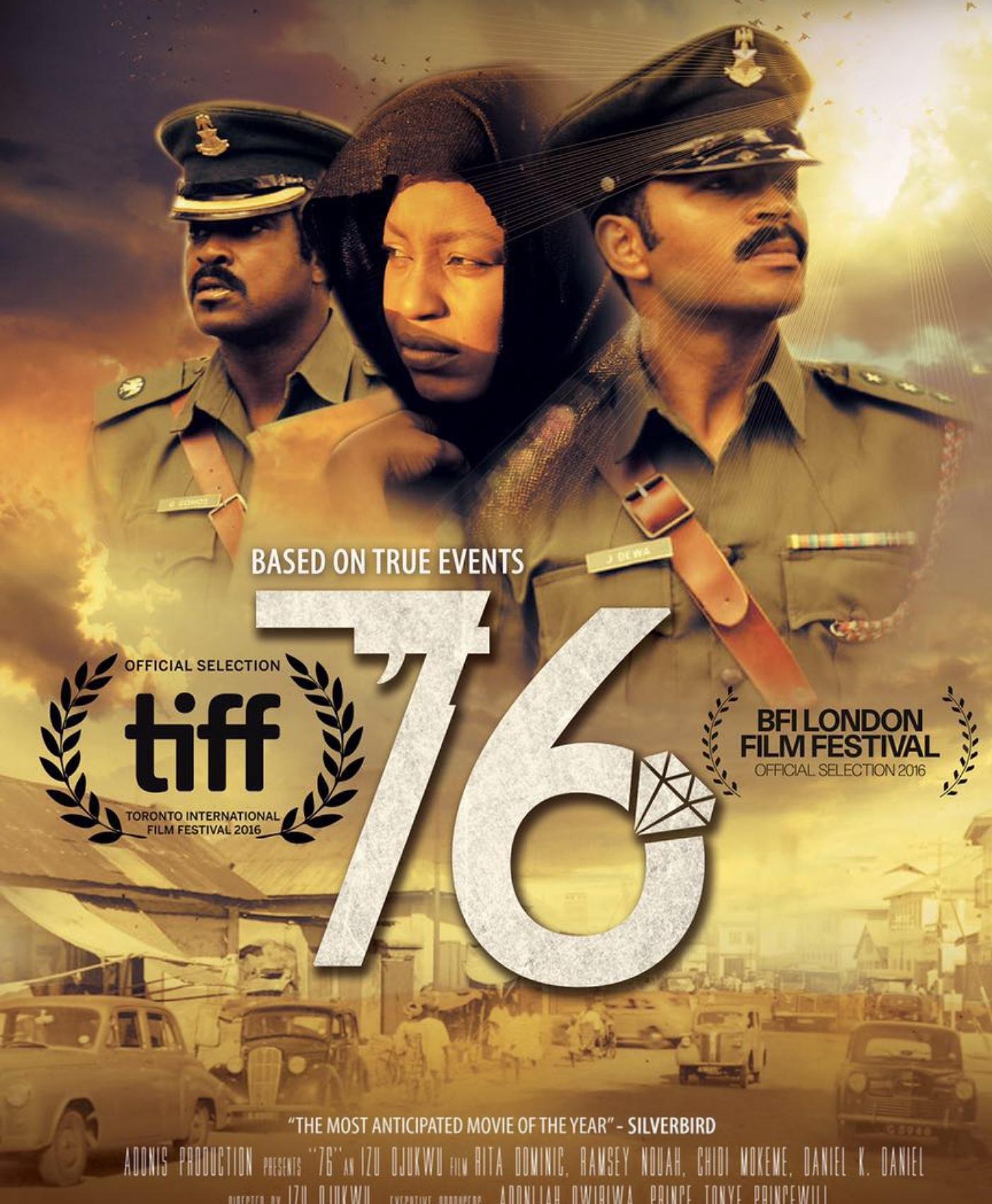
There are films you watch and clap for the acting. And then there are films like ’76 that you watch with your chest tight, your hands cold, because you know you’re not just watching a story; you’re witnessing a nation’s heartbeat in a time of chaos. Directed by Izu Ojukwu and released in 2016, ’76 is more than a movie, it’s a meticulous, emotional dive into one of the most tense and heartbreaking periods in Nigerian history.
Set against the backdrop of the failed 1976 military coup, the one that led to the assassination of General Murtala Mohammed, ’76 tells a very personal story within this huge national turmoil.
It follows Captain Joseph Dewa (played with incredible nuance by Ramsey Nouah), a young soldier from the Middle Belt region, and his heavily pregnant wife, Suzanne (played by the magnetic Rita Dominic), who is an O-level teacher from the South-East.
Captain Dewa finds himself entangled, whether by true involvement or by the suspicious gaze of military intelligence in the political unrest brewing within the army. And that’s where the real emotional devastation starts.
What makes ’76 unforgettable isn’t just the political drama (though it’s gripping), it’s the way it shrinks history down to a human level. It’s about a man trying to prove his loyalty. A woman trying to protect her husband and unborn child. Two young lovers trapped by a system bigger and more merciless than anything they can fight.
As the story unfolds, you watch Suzanne wrestle with fear, betrayal, and helplessness. You feel her pain as neighbors whisper, as soldiers treat her like the wife of a traitor. You watch Dewa endure brutal interrogations, suspended between life and death, honor and survival.
’76 took seven years to research and produce, and you can tell. Every uniform, every word, every dusty military barracks, every radio broadcast is painstakingly accurate. The filmmakers even had the cooperation of the Nigerian military, something that had never really happened in Nollywood before on this scale.
And the cinematography, the way the camera lingers on tired eyes, on bloody boots, on silent goodbyes, it draws you right into the fear, the suspicion, the heartbreak of the era. It doesn’t shout. It breathes.
Released officially in 2016 and premiered at international festivals like Toronto International Film Festival (TIFF) and BFI London Film Festival, ’76 got critical acclaim not just for telling a piece of history, but for telling it beautifully and emotionally.
The performances are some of the most mature you’ll find in Nollywood, no theatrics, no overacting. Ramsey Nouah plays Dewa with a haunted dignity that feels so real it hurts. Rita Dominic gives one of the best performances of her career. Suzanne’s strength and vulnerability blend so naturally you forget you’re watching a character.
And even beyond the big moments, the coups, the court-martials, it’s the small ones that tear you apart: a husband whispering apologies behind prison bars. A wife begging a faceless officer for mercy. A country trembling under the weight of fear.
In the end, ’76 is not just a story about a failed coup. It’s a story about trust, love, betrayal, and hope, about the human beings behind the headlines.
It’s the kind of film that lingers long after the final scene, sitting heavy in your mind, reminding you that history isn’t made by faceless heroes and villains, it’s made by ordinary people caught in the storm.
Oloibiri (2016)
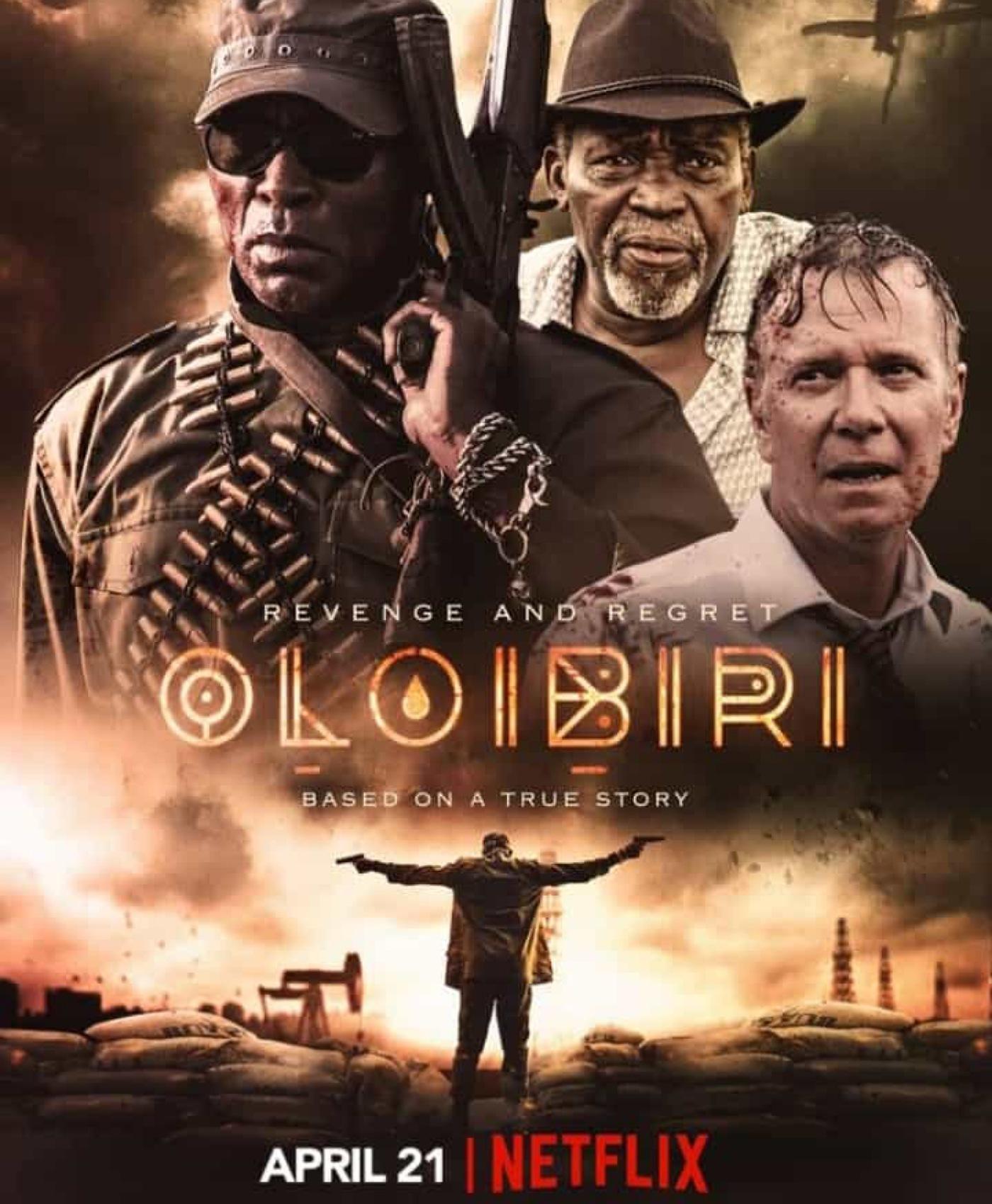
If you’re ever looking for a Nollywood movie that doesn’t just pull at your emotions but also leaves a bitter lump in your throat, Oloibiri is one of those films you can never really forget. Directed by Curtis Graham and released in 2016, this is not your everyday “entertainment” film. It is a brutal, heartbreaking mirror held up to Nigeria’s oil-rich yet poverty-stricken Niger Delta region.
The story is inspired by real-life events in Oloibiri, a small town in Bayelsa State where Nigeria first struck oil in 1956. What was supposed to be a blessing turned into a curse. Instead of development and prosperity, Oloibiri was left abandoned, its land, water, and people poisoned by decades of exploitation, neglect, and environmental destruction.
The film follows Gunpowder (played hauntingly by Richard Mofe-Damijo), a once-peaceful man whose life was destroyed by the empty promises and the oil greed that ravaged his community. Now, he’s a broken, violent militant, seeking revenge against anyone who represents the companies and governments that ruined his home.
On the other side is Tim Prescott (played by William Moses, an American actor), the CEO of a foreign oil company desperate to drill in the same land, ignorant of the pain and blood buried beneath the surface.
Then there’s Ebiere, played by Ivie Okujaye, a young woman who represents the soul of Oloibiri, still clinging to hope, still believing that maybe, somehow, healing is possible. Her performance is so genuine it hurts. She doesn’t just “act” like a daughter of the Niger Delta; she embodies it.
One of the most unforgettable things about Oloibiri is that it doesn’t sugarcoat anything. The cinematography deliberately shows the cracked, dead farmlands, the oil-slicked waters where fishermen can no longer fish, the children bathing in polluted streams. You can almost smell the rot, feel the despair crawling out of the screen.
But Oloibiri isn’t just sadness for sadness’s sake. It’s a wake-up call, a deep, painful reminder of how human lives become collateral damage in the endless search for wealth. It forces you to confront questions: What happens to people when the soil beneath their feet becomes poison? When promises become weapons? When the rich drill and the poor die?
Richard Mofe-Damijo, honestly, carries the film on his back. His portrayal of Gunpowder is layered, he’s not just a villain; he’s a father, a son, a neighbor, someone who loved once but had that love ground into the mud by greed.
Released officially in 2016, Oloibiri might not have gotten the same flashy marketing push as other big Nollywood films, but among people who know real stories, people who understand the history of oil exploitation in Nigeria, it’s one of the most important emotional films ever made. It screened internationally too, raising awareness about the Niger Delta’s real struggles.
At the end of Oloibiri, there’s no happy wrap-up. No miracle. Just a raw truth: some wounds don’t heal easily. And that’s exactly what makes the movie unforgettable.
93 Days (2016)
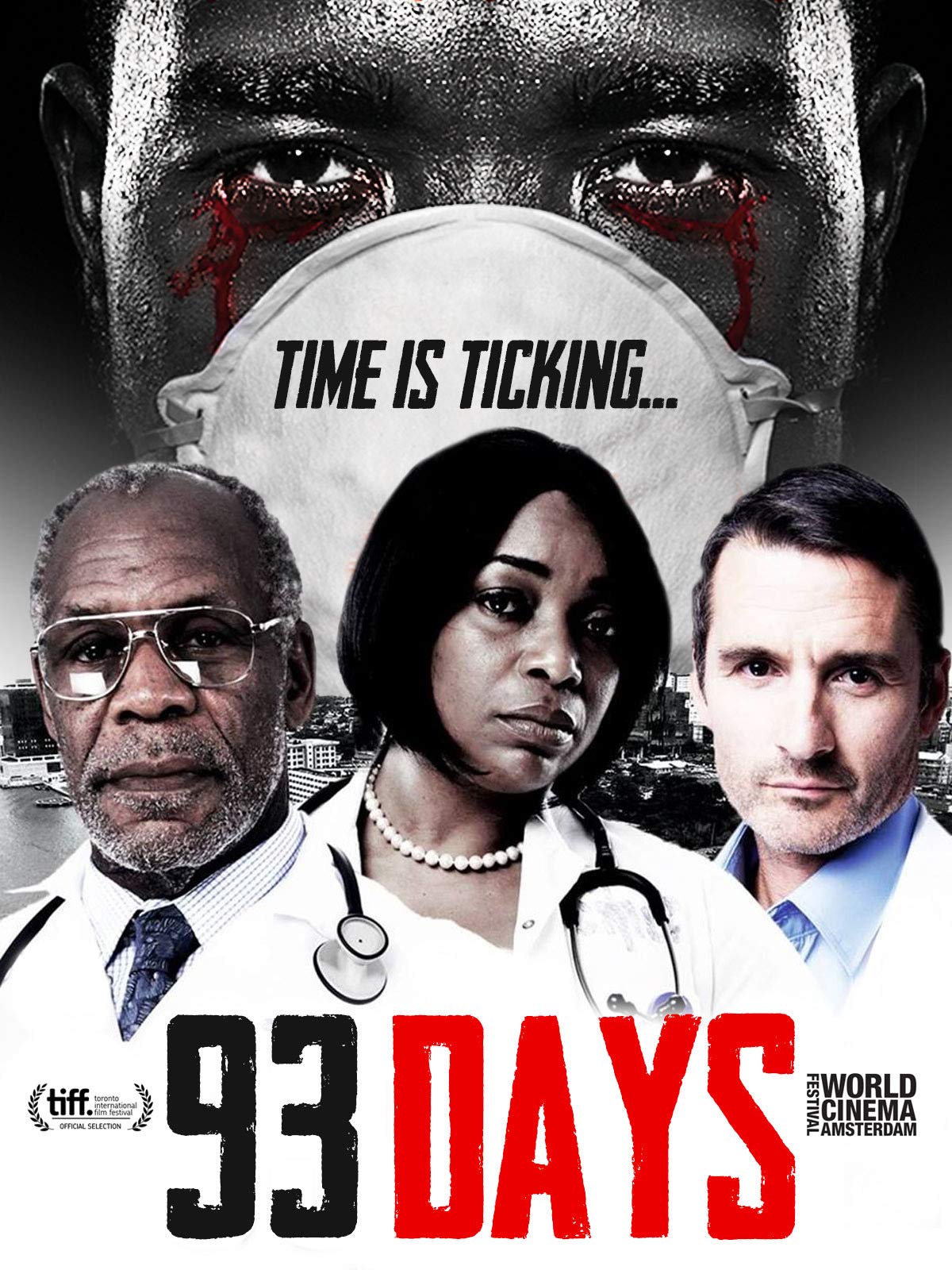
93 Days, directed by Steve Gukas, is a compelling and emotional recounting of the 2014 Ebola outbreak in Nigeria. The film centers around the heroic efforts of Nigerian doctors and medical personnel who fought to contain the virus when it was introduced into the country by a Liberian-American diplomat, Patrick Sawyer. It’s a story of courage, selflessness, and the emotional toll that came with standing in the line of duty during an international health crisis.
The film’s focus is on Dr. Ameyo Adadevoh, played by Bimbo Akintola, who was a leading figure in the effort to prevent a widespread Ebola outbreak in Nigeria. Dr. Adadevoh’s role is pivotal, as she was the doctor who recognized the severity of Patrick Sawyer’s condition and insisted on quarantining him, despite pressure to let him go. Her decision, which ultimately helped stop the virus from spreading across the country, cost her her life, but it cemented her place as a national hero.
The film begins with Patrick Sawyer, played by Keppy Ekpeyong Bassey, arriving in Lagos from Liberia on July 20, 2014, showing severe signs of Ebola. He collapses at the airport and is immediately taken to First Consultants Medical Center, where the medical team, led by Dr. Adadevoh, begins treating him. From the outset, it’s clear that Sawyer is not forthcoming about his health history, refusing to admit that he has been exposed to Ebola. Dr. Adadevoh, however, is suspicious and decides to isolate him, fearing that he may be carrying the deadly virus.
Her decision to quarantine Sawyer sets the stage for the dramatic events that unfold throughout the movie. The medical team at First Consultants quickly realizes that Sawyer is not just a victim of a fever, but potentially the first confirmed case of Ebola in Nigeria. As the virus begins to spread through the hospital, the doctors and nurses are faced with an urgent need to trace and isolate all individuals who may have come into contact with Sawyer. The film captures the anxiety and fear that ripple through the medical community and the Nigerian public as the virus spreads, and the stakes grow higher.
The film also highlights the tireless efforts of the healthcare workers who risk their lives every day to stop the outbreak. Somkele Iyamah-Idhalama portrays Dr. Ada Igonoh, one of the doctors who treats Sawyer and later becomes one of the infected. Her journey, from hopeful and enthusiastic to a survivor battling the very disease she was working to prevent, adds another layer of emotional depth to the film. Dr. Igonoh’s story reflects the personal sacrifices of healthcare workers who put themselves in harm’s way for the sake of others.
The emotional core of 93 Days is found in the actions of Dr. Adadevoh. Her unwavering commitment to public safety, even when it meant putting herself and her family in danger, is a key theme of the film. She faces personal and professional pressures to release Sawyer, but her steadfastness in keeping him quarantined is a testament to her character. Unfortunately, after weeks of battling the virus, Dr. Adadevoh contracts Ebola herself and eventually dies. Her death, following the eventual containment of the virus, is one of the film’s most emotional moments.
In the end, Nigeria manages to stop the spread of Ebola thanks to the efforts of Dr. Adadevoh and the medical professionals who followed her lead. While the film’s ultimate message is one of triumph, it is also a stark reminder of the heavy price paid by the individuals who risked their lives for the greater good. The public health crisis may have been averted, but it came at a deep personal cost.
The film also underscores the importance of international collaboration in health crises. Danny Glover portrays Dr. Benjamin Ohiaeri, a World Health Organization (WHO) official who works closely with Nigerian authorities to manage the outbreak. His involvement brings an international perspective to the crisis, highlighting how global cooperation can make a difference during a health emergency.
93 Days was well-received both in Nigeria and internationally. It grossed over ₦50 million at the box office and earned several nominations at the 2017 Africa Movie Academy Awards, including Best Actress for Bimbo Akintola, whose portrayal of Dr. Adadevoh was widely praised. The film serves as a powerful tribute to the real-life heroes who played a key role in preventing a full-scale Ebola outbreak in Nigeria and is a reminder of the risks and sacrifices made by those in the medical field.
The film also highlights the resilience of Nigerians in the face of a major health crisis. It shows the importance of taking decisive action and working together as a nation to overcome challenges. Through the lens of 93 Days, we are reminded that heroism isn’t always about grand gestures; sometimes, it’s the quiet, steadfast decisions made in the face of uncertainty that save lives.
93 Days stands as a testament to the bravery and sacrifice of Dr. Adadevoh and other healthcare workers who put their lives on the line to save their country. The film ensures that their legacy is not forgotten, and it reminds us of the power of selflessness in the face of an overwhelming crisis.
God Calling (2018)

Some movies don’t just tell a story; they sit with you, weeks, even months after you’ve watched them. God Calling is one of those films. Directed by Bodunrin ‘BB’ Sasore and released in December 2018, God Calling is not just emotional; it’s profoundly spiritual, without being preachy or sentimental. It feels human, broken, searching, desperate, and eventually, redeemed.
The film follows Sade (played masterfully by Zainab Balogun), a woman whose seemingly perfect life crashes overnight. A series of devastating events, including the tragic death of her daughter, throws her into the deepest kind of despair. She’s not just mourning; she’s drowning in it, questioning everything she’s ever believed, even the very existence of God.
And that’s where the heart of God Calling lies, it’s a raw, unflinching look at grief, guilt, addiction, and the terrifying silence that sometimes follows personal tragedies.
The journey Sade takes isn’t sugar-coated. There are scenes where she’s reckless, scenes where she’s angry at God, scenes where she’s just empty. It’s so real that if you’ve ever lost anything or anyone dear, you’ll feel every sigh, every breakdown.
The movie brilliantly shows the collision between human fragility and divine pursuit.
God doesn’t show up here in loud miracles or magic tricks, He shows up in whispers, in moments when Sade is most broken. Her transformation isn’t immediate; it’s messy, painful, believable. That’s what makes it unforgettable.
Karibi Fubara (may he rest in peace) plays Sade’s husband and delivers a quiet, powerful performance, standing by her through her spiral without making it about himself. Their dynamic; the strain, the resentment, the helpless love, feels incredibly real.
There’s also Richard Mofe-Damijo playing a modernized version of God’s messenger, which was such an inspired casting choice. He brings this cool, almost playful presence to his scenes, making the divine feel both awesome and approachable.
Visually, God Calling is one of the most stunning films Nollywood had seen by 2018. The cinematography is crisp, polished, and sometimes almost surreal, especially in the scenes depicting Sade’s visions and near-death experiences. BB Sasore clearly took his time crafting a story that not only speaks to Nigerians but to anyone who’s ever felt like giving up on faith altogether.
Musically too, the movie hits deep. The soundtrack; subtle, emotional, haunting, matches the emotional currents perfectly without being manipulative.
God Calling wasn’t just a film; it became a ministry for many people. After its release, it sparked deep conversations across Nigeria about depression, grief, and God’s mercy, conversations that were long overdue.
It’s the kind of Nollywood movie that doesn’t fade into background noise. It stays in your spirit. It stays in your wounds. And, if you let it, it stays in your healing too.
Conclusion
Nollywood has produced a remarkable array of films that resonate deeply with audiences, offering not just entertainment but emotional journeys that stay with you long after the credits roll. From the raw and poignant portrayal of real-life crises, like the fight against the Ebola outbreak in 93 Days, to the deeply personal and often heartbreaking stories found in Maami or Dry, these films explore human resilience, sacrifice, and the universal struggles we all face. They remind us of the importance of empathy, the power of courage in the face of adversity, and the beauty of shared humanity.
Whether you’re moved by the intense drama of Tango with Me or the complex emotions in Ijé: The Journey, Nollywood has a way of telling stories that tug at the heart, making us reflect on our own lives and the world around us. These are the films that linger in your mind, urging you to never forget the emotional depth and profound messages they convey.