
Let’s be honest, there’s something magical about a limited series. No endless seasons, no unnecessary filler episodes, just a tight, focused story that pulls you in and doesn’t let go until the very last frame. And if you’ve been sleeping on Nollywood’s growing collection of limited series, you’re seriously missing out.
Over the past few years, Nollywood has stepped up in a big way, not just in terms of acting and production quality, but in storytelling too. We’re talking about bold plots, complex characters, and those scenes that make you hit pause just to process what you’ve seen. Whether it’s dark family secrets, high-stakes political drama, romantic chaos, or crime thrillers dripping with tension, these shows deliver.
So if you’re looking for your next weekend binge, something gripping, addictive, and beautifully told, I’ve got you. From the ones that kept us up at night to the ones that still haunt us in the best way, here are 7 Nollywood limited series that are absolutely worth your time.
7 Most Binge-Worthy Nollywood Limited Series
Some stories know exactly when to stop, and that’s what makes them unforgettable. Nollywood has been quietly dropping limited series that are short, sharp, and seriously addictive. If you’re in the mood for something you can finish in one weekend (and still think about days later), these seven picks are the best place to start:
Blood Sisters (2022)
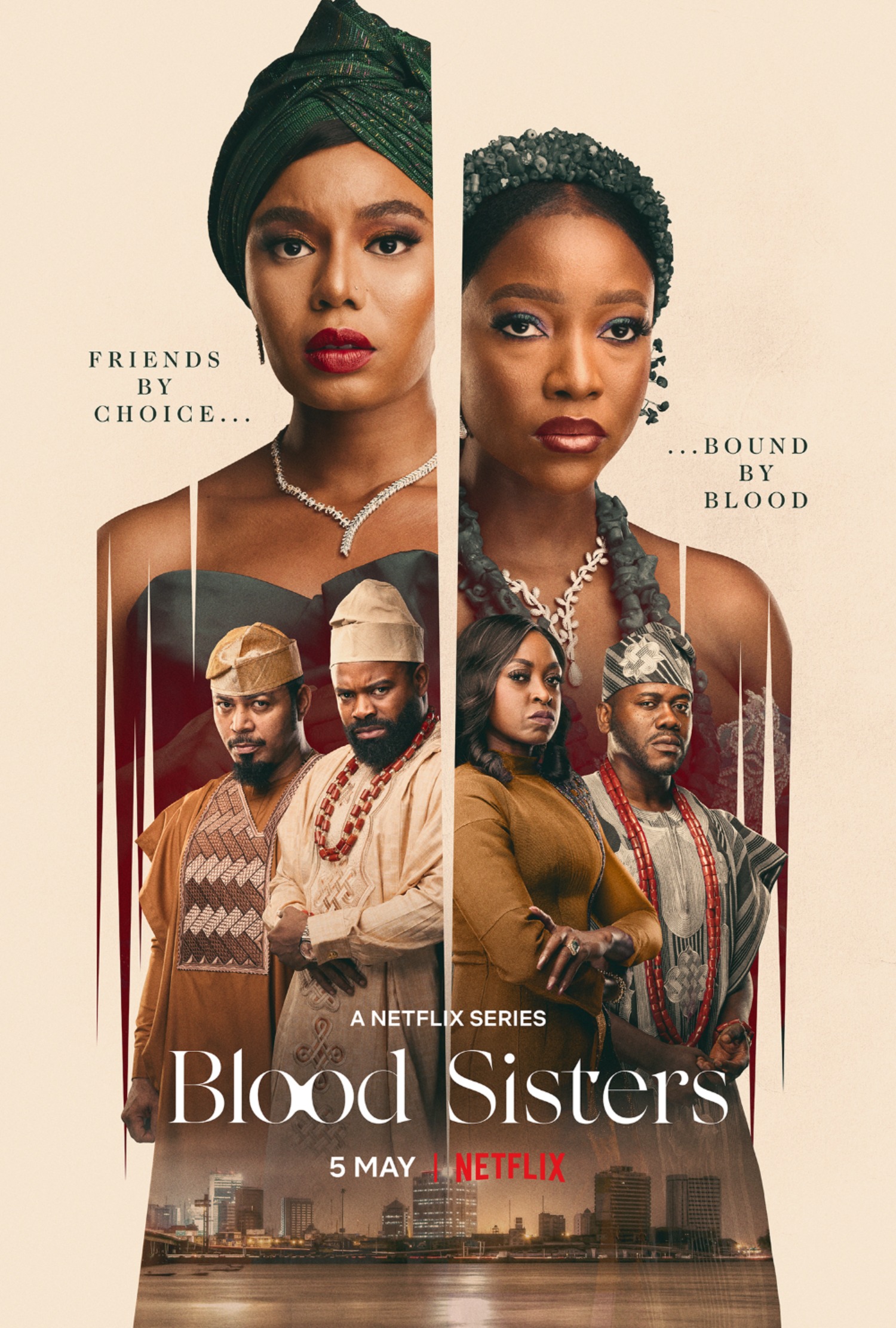
Blood Sisters came out in May 2022, and almost immediately, it felt like something shifted in Nollywood. This series was a collaboration of Netflix and Mo Abudu through her media company, Ebonylife TV. Blood Sisters was directed by Biyi Bandele and Kenneth Gyang.
For the first time, audiences, both at home and abroad, watched a Nigerian story unfold on Netflix that didn’t try to dilute itself for global appeal. It leaned all the way in. The series opens in Lagos, during what should’ve been a beautiful high-society wedding. But within minutes, the glamour starts to rot from the inside. A controlling fiancé goes missing. Two best friends are forced to flee. And just like that, what should’ve been a celebration turns into a full-blown manhunt laced with dark secrets, family tension, and shocking revelations that keep tightening their grip with each episode.
It’s only four episodes, but each one is heavy with tension. Not the kind that drags you around endlessly, but the sharp kind that makes you lean forward without realizing it. The writing doesn’t waste time. The characters don’t feel like actors reading lines, they feel like people you know, or people your aunt warned you about. Ini Dima-Okojie and Nancy Isime carry the story with incredible chemistry, but it’s Kate Henshaw who delivers a performance that stops you in your tracks. She plays the mother of the groom, a character who is equal parts elegance and terror. And then there’s Ramsey Nouah, Gabriel Afolayan, Kehinde Bankole… every actor is working at full throttle here.
What makes Blood Sisters even more remarkable is how much it manages to say in such a short time. Yes, it’s a thriller. But underneath all the suspense, it’s also an unflinching look at domestic violence, at how silence can become complicity, at the way some families protect their own even when “their own” is a monster. There’s also a quiet commentary on friendship, on what it means to have someone by your side when things fall apart. Kemi and Sarah aren’t just running for their lives; they’re also learning hard truths about each other, about trust, and about survival in a world that punishes women for stepping out of line.
When it dropped, Blood Sisters didn’t just trend in Nigeria. It went global, cracking the Top 10 in over 30 countries. For a Nollywood production, that’s no small feat. But it’s not just the global attention that made this series special. It was the way it reminded Nigerians that our stories don’t need to be explained or softened to matter. The world will catch up, and with Blood Sisters, they did.
For many people, this was the first time they saw a Nigerian story told with that level of polish and purpose on a major platform. But it’s also a turning point, because once you’ve seen what’s possible, you don’t go back. And Blood Sisters made that clear from the very first scene.
King of Boys: The Return of the King (2021)
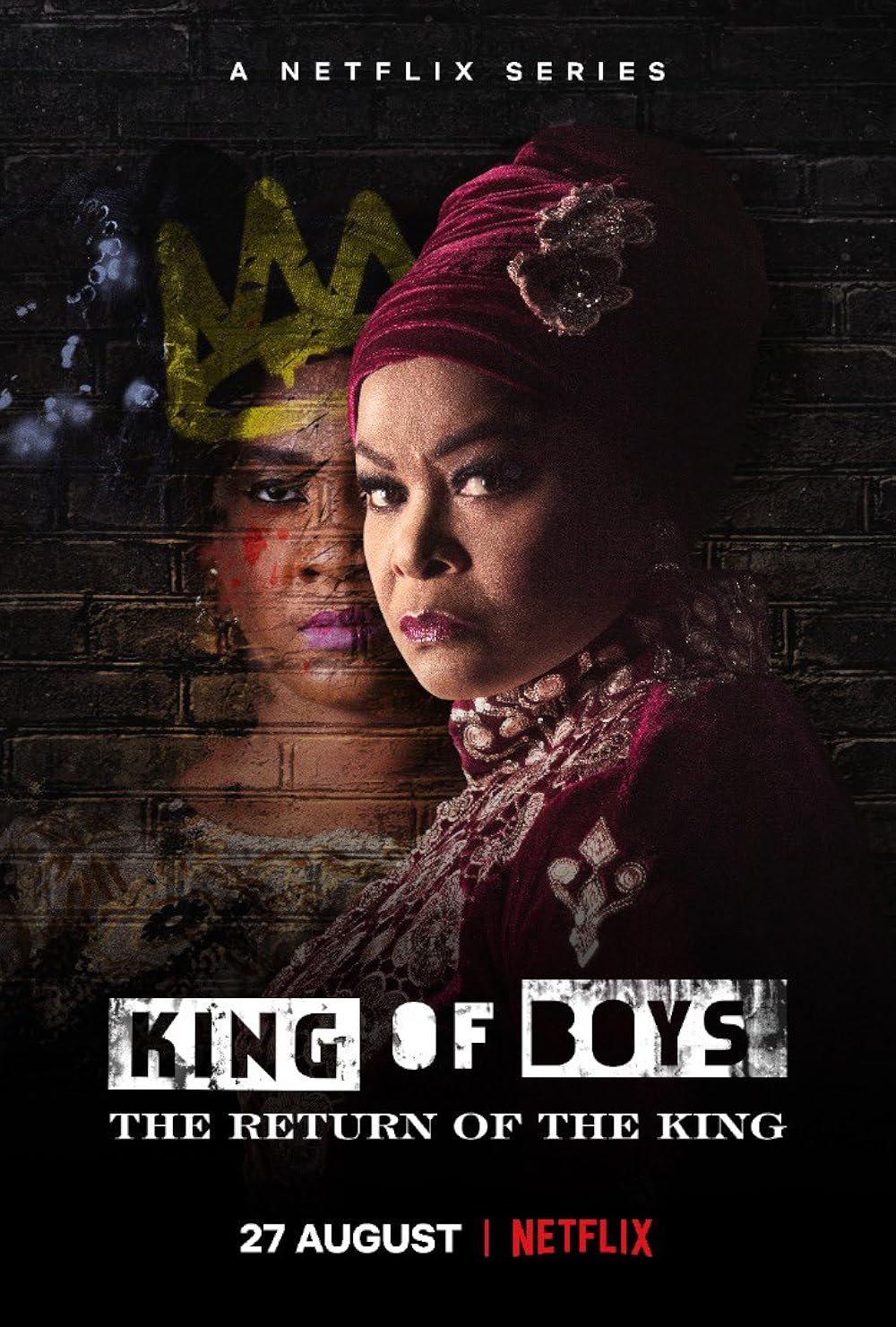
When King of Boys dropped in October 2018, it wasn’t just another Nollywood film, it was a cultural event. Directed by Kemi Adetiba, the film introduced us to Alhaja Eniola Salami, portrayed with unmatched intensity by Sola Sobowale. Eniola is a formidable businesswoman and philanthropist with a shadowy past and towering political ambitions. As she navigates the treacherous waters of Nigerian politics, her underworld connections threaten to unravel everything she holds dear.
The film’s narrative is a gripping exploration of power, loyalty, and ambition. Sola Sobowale’s portrayal of Eniola is both commanding and vulnerable, capturing the complexities of a woman striving to balance her public persona with her private battles. Toni Tones shines as the younger Eniola, providing depth to the character’s backstory. The ensemble cast, including Adesua Etomi, Reminisce, and Illbliss, delivers performances that elevate the film’s dramatic tension.
King of Boys was a box office success, grossing over ₦245 million, and it resonated with audiences for its unflinching look at the intersection of politics and crime in Nigeria.
Fast forward to 2021, and Eniola Salami returns in King of Boys: The Return of the King, this time as a seven-part limited series on Netflix. After a five-year exile, Eniola is back in Nigeria, not just to reclaim her place but to ascend even higher in the political hierarchy. Her return is met with suspicion and resistance, as old enemies and new challengers emerge.
The series delves deeper into Eniola’s psyche, exploring her internal struggles and the weight of her past decisions. Sola Sobowale reprises her role with even greater depth, portraying a woman haunted by her past yet undeterred in her quest for power. Toni Tones continues to impress as the younger Eniola, capturing the character’s formative years with nuance.
New characters, portrayed by actors like Nse Ikpe-Etim, Richard Mofe-Damijo, and Deyemi Okanlawon, add layers to the intricate political landscape Eniola must navigate. The series maintains the high production values of its predecessor, with compelling dialogue and a narrative that keeps viewers engaged throughout its seven episodes.
King of Boys: The Return of the King solidifies Kemi Adetiba’s reputation as a visionary director capable of crafting complex, character-driven stories that resonate with audiences both in Nigeria and globally. The series not only continues Eniola Salami’s saga but also reinforces Nollywood’s capacity for producing high-quality political dramas that rival international standards.
Shanty Town (2023)
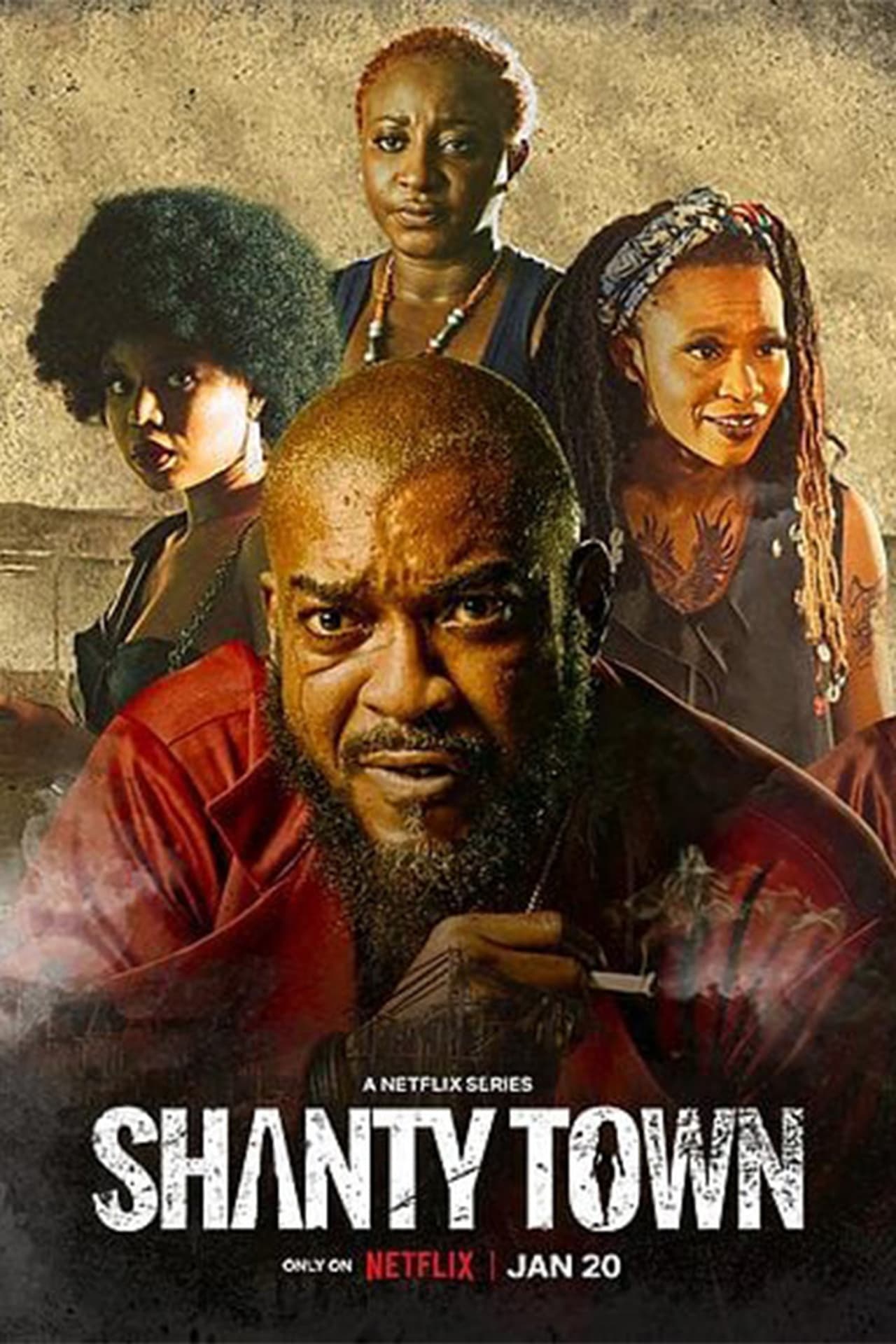
When Shanty Town dropped in January 2023, it immediately pulled viewers into a world that felt uncomfortably real, raw, dangerous, and pulsing with tension. Set deep in the underbelly of Lagos, the story follows a group of women trapped in a cycle of exploitation, fighting tooth and nail to escape the grip of a powerful and feared kingpin known as Scar. From the very beginning, it’s not just the violence or the corruption that hits hard, it’s the claustrophobia, the desperation, the knowing that for some people, even survival is a luxury.
Chidi Mokeme’s return to the screen as Scar was nothing short of a revelation. He played the character with chilling precision, menacing, magnetic, and disturbingly calm. He was a villain you hated but couldn’t stop watching. Ini Edo’s role as Inem carried a quiet storm, a layered woman with a scarred past and something to prove, not just to the world but to herself. And then you have Nancy Isime, Richard Mofe-Damijo, Sola Sobowale, the ensemble felt like a curated orchestra of talent. Everyone came correct.
But beyond the performances, what made Shanty Town stand out was how it mirrored the hidden truths many would rather ignore. It wasn’t just entertainment, it was commentary. On systemic rot. On how crime isn’t always a choice, but sometimes the only language left. The setting wasn’t just a backdrop either. It breathed, chaotic, colorful, gritty Lagos in all its contradictions. The pidgin, the dusty alleys, the neon bars, it all felt real because it was real for too many people. This series has 6-episodes.
Visually, the series was rich. Cinematography was detailed, deliberate, and immersive. You weren’t just watching Shanty Town, you were inside it. And though some people felt the plot could have gone deeper in places, what it did do was spark necessary conversations. Conversations about who gets left behind. About power, abuse, and the invisible chains that hold people down. Shanty Town may have been wrapped as a thriller, but at its core, it was about the fight for freedom, the kind that comes at a steep, bloody price.
Iwájú (2024)
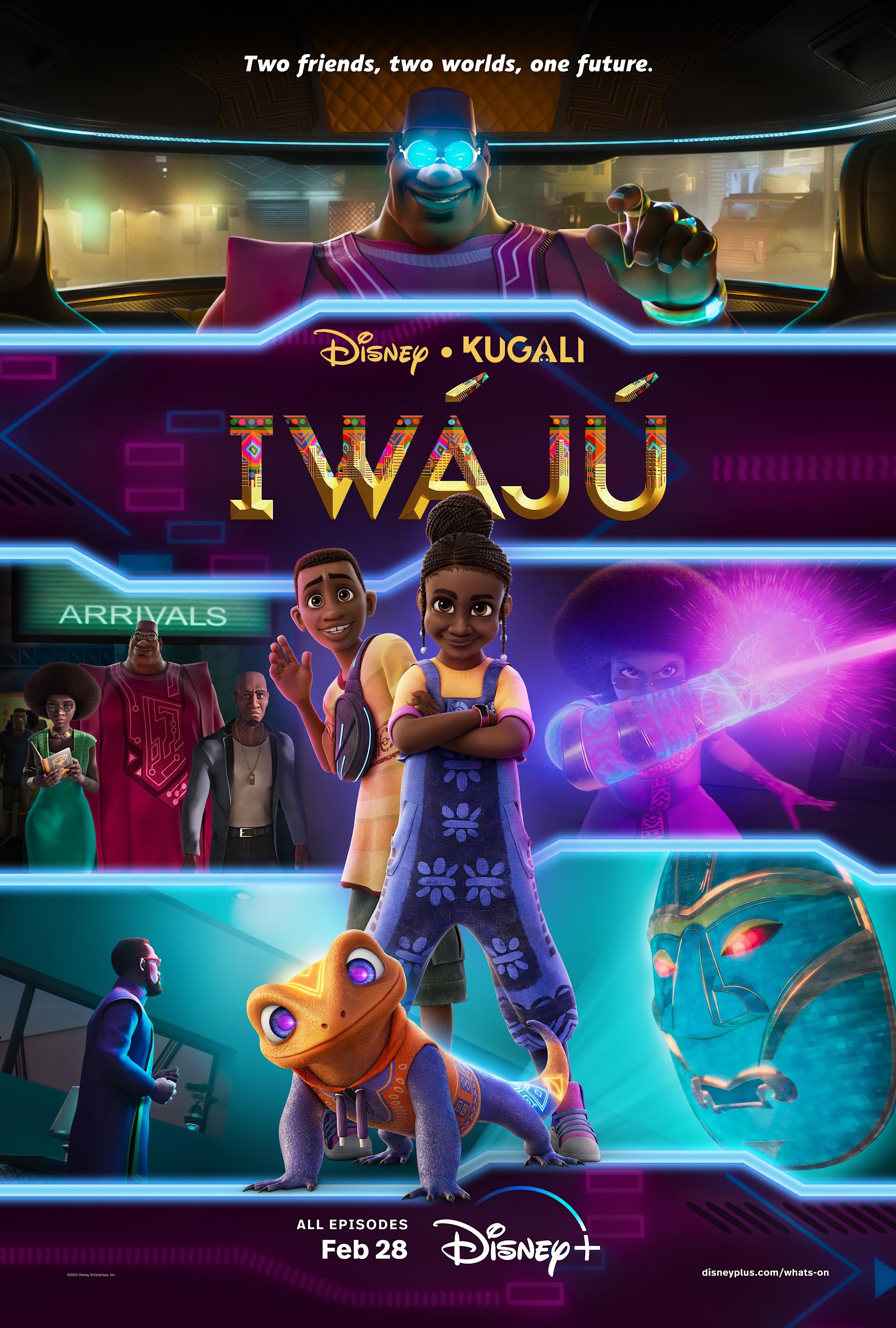
From the moment Iwájú began streaming on Disney+, it was clear this wasn’t just another animated show. This was a statement. A breakthrough. An invitation into a world where African stories aren’t just being told, they’re being centered, celebrated, and reimagined through a lens that’s both futuristic and deeply rooted in culture.
Set in a future version of Lagos, Iwájú follows the journey of Tola, a curious young girl from the affluent island side of the city, and her friend Kole, a tech genius who lives on the mainland. It’s a friendship that crosses invisible lines, class, privilege, perception, and through their eyes, we see a city divided not just by water, but by power, access, and inequality. But it’s not all doom and gloom. The Lagos we enter is alive with innovation. Spherical cars hover in traffic. Smart glasses reveal hidden digital layers. Every corner feels like a blend of tradition and tomorrow.
What makes Iwájú feel different, and honestly, refreshing, is how it doesn’t try to explain Africa to the world. It simply exists in its own truth. The architecture, the fashion, the language, the rhythm, it’s all recognizably Nigerian, but with the sharp, clean edge of sci-fi. The animation is visually stunning. It doesn’t just look good, it feels intentional. Every detail is precise, from the glowing city lights to the subtle cultural gestures woven into characters’ body language.
Beyond the visuals, the storytelling is layered. It’s about tech and the future, yes, but at its heart, it’s about access. Who gets to dream? Who gets left behind? And how do you rise when the system wasn’t built with you in mind? Those questions simmer quietly beneath every episode, giving the series a depth that lingers. It has 6 episodes in total.
And let’s not forget the history being made here. This is Disney’s first original animated series set in Africa and not just made for Africans, but made by Africans, through a powerful collaboration with Kugali Media. That alone speaks volumes. Iwájú isn’t just a binge-worthy show. It’s proof that African stories belong on the global stage, not as side notes, but as main acts.
Seven Doors (2024)
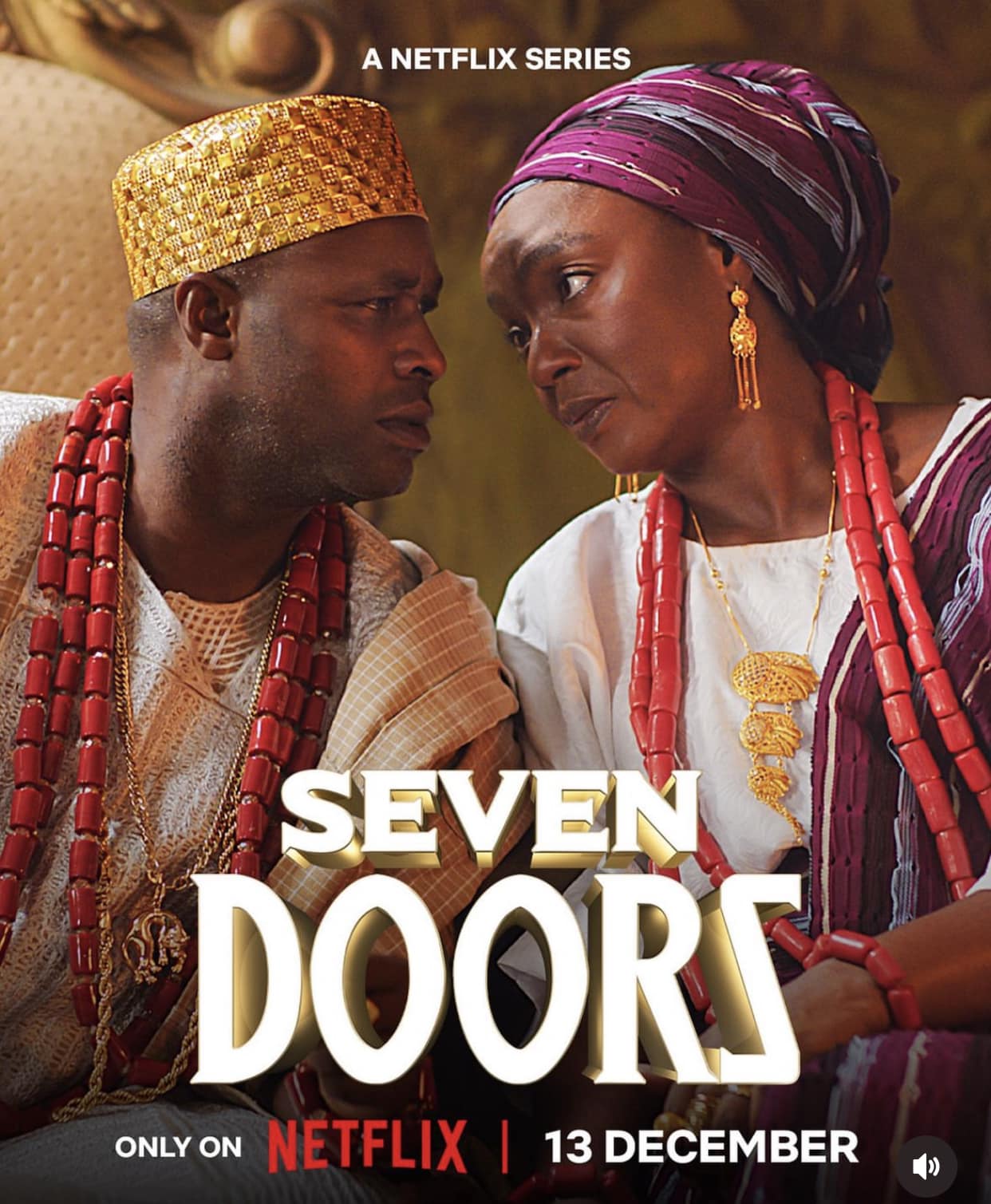
Seven Doors is more than a series; it’s a cinematic journey that immerses you in a world where tradition, power, and destiny collide. Premiering on Netflix in December 2024, this six-episode drama transports viewers to 18th-century Ilara, Ondo State, Nigeria. The story follows Adedunjoye, a humble man who is unexpectedly chosen to become the king of his village. Reluctantly accepting the role, he soon discovers that his ascension is tied to an ancient prophecy that demands he marry seven wives to atone for ancestral wrongs.
The series delves deep into themes of leadership, legacy, and the supernatural. As Adedunjoye navigates the complexities of kingship, he faces opposition from corrupt chiefs and the weight of ancestral curses. The narrative unfolds with a blend of political intrigue and spiritual undertones, keeping viewers on the edge of their seats.
Femi Adebayo’s portrayal of King Adedunjoye is both compelling and nuanced, capturing the internal struggles of a man thrust into power. Chioma Chukwuka Akpotha shines as Amaka, his supportive yet conflicted wife, bringing depth to the portrayal of marital dynamics within the royal setting. The ensemble cast, including Kolawole Ajeyemi, Jide Kosoko, and Gabriel Afolayan, delivers performances that enrich the storytelling.
Visually, Seven Doors is a feast for the eyes. The cinematography captures the lush landscapes of Ilara, while the costume design and set pieces authentically reflect the era. The use of Yoruba language adds an extra layer of authenticity, immersing viewers in the cultural context.
Critics have lauded the series for its rich storytelling and cultural representation. It has sparked discussions about the portrayal of African traditions and the complexities of leadership. Seven Doors not only entertains but also educates, offering a window into Nigeria’s rich history and the timeless challenges of power and responsibility.
For those seeking a series that combines historical drama with supernatural elements and cultural depth, Seven Doors is the perfect series to watch.
Postcards (2024)
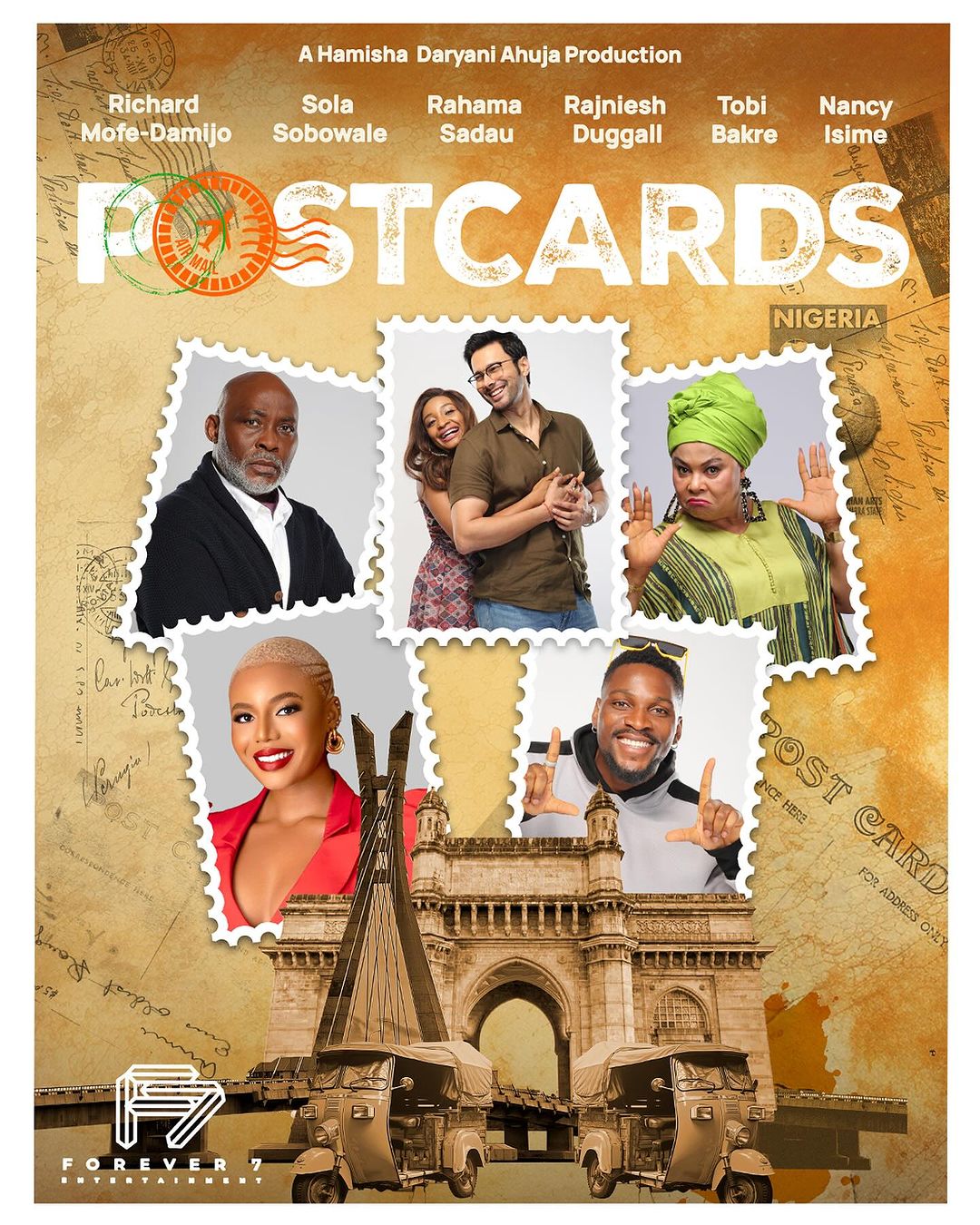
Postcards is a heartfelt story about family, identity, and unexpected reunions. It is a Nigerian-Indian Netflix series created by Hamisha Daryani Ahuja. It was filmed in Lagos and Mumbai, the series is a cross-cultural venture between Nollywood and Bollywood.
Released on Netflix in May 2024, it follows Aunty Bunmi, a Nigerian widow who travels to India for medical treatment. What she doesn’t know is that her estranged son Yemi is also in Mumbai, and their reunion sets off a chain of emotional moments that explore healing and connection across cultures.
The series balances humor and warmth beautifully, capturing the ups and downs of family life. Sola Sobowale shines as Bunmi, bringing both strength and vulnerability to the role, while Tobi Bakre’s portrayal of Yemi adds depth to the struggles of a young man caught between dreams and responsibilities. The supporting cast, including Richard Mofe Damijo and Rahama Sadau, enriches the story with nuanced performances. Postcards has a total of 6 episodes.
Visually, Postcards takes you from the bustling streets of Lagos to the vibrant energy of Mumbai, highlighting the similarities and contrasts between the two worlds. The soundtrack complements this cultural blend, making the whole experience feel lively and authentic.
While some viewers noted the narrative can feel a bit scattered at times, the emotional core of the story and its cultural fusion shine through. Ultimately, Postcards is about the ties that hold families together, no matter the distance or differences. It’s a warm, engaging watch that bridges Nigerian and Indian cultures in a way that feels fresh and relatable.
Far From Home (2022)
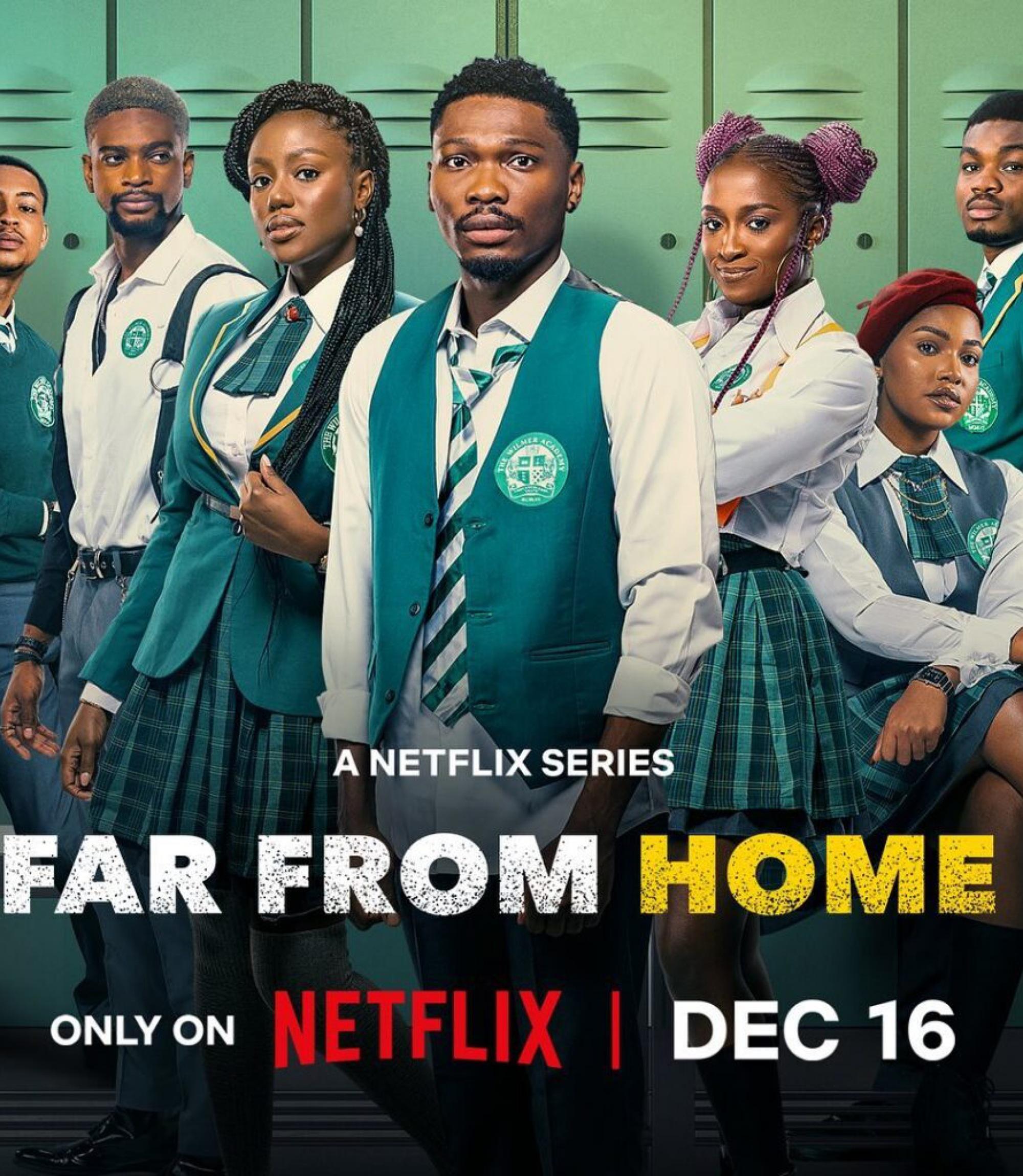
Far From Home is one of those series that hooks you from the very first episode. Released on Netflix in December 2022, it tells the story of Ishaya Bello, a teenage boy from a humble background in Lagos with a big dream of becoming a world-famous artist. When he wins a scholarship to a prestigious, elite school, Wilmer Academy, it feels like a miracle. But soon, Ishaya finds himself entangled in a web of secrets, lies, and temptations that threaten everything he’s worked for.
The show explores a lot more than just school drama. It dives deep into issues like class divide, ambition, identity, and the pressure to succeed at all costs. Mike Afolarin plays Ishaya with just the right balance of vulnerability and determination, while the supporting cast, Funke Akindele, Richard Mofe-Damijo, Genoveva Umeh, and others, bring emotional depth and tension to every scene. It has five episodes.
The visuals are slick, switching effortlessly between the gritty reality of Ishaya’s home and the polished, privileged world of Wilmer Academy. The writing is fast-paced, and each episode ends in a way that makes it almost impossible not to keep watching. It’s youthful, but it’s also layered with enough social commentary and character development to keep any adult viewer fully invested.
More than just a high school drama, Far From Home is a bold story about dreams, desperation, and the cost of trying to break free from where you come from.
Conclusion
If you’ve been sleeping on Nollywood limited series, now’s the time to wake up. These aren’t just seven random shows, they’re proof that when Nollywood decides to do short-form storytelling, it does it with fire. Each one brings its own world, its own energy, and leaves you hitting “Next Episode” without even thinking. They’re tightly written, emotionally charged, and rich with the kind of Nigerian detail that makes every scene feel lived-in. Whether you’re in it for the drama, the grit, the beauty, or just a good weekend binge, these are the series that deliver. No dragging, no fluff, just pure, binge-worthy gold.