
Nollywood is known for its amazing stories, talent, and the ability to bring us into worlds full of drama, romance, and tension. But, as much as we love these movies, there are times when the ending just… doesn’t hit right. You know those moments when you’re invested in the entire plot, rooting for the characters, and then, just as the credits roll, you’re left thinking, “Wait, that’s it?” It’s frustrating when a movie feels like it was building to something epic, but the ending leaves you confused, disappointed, or just plain unsatisfied.
Today, we’re diving into seven Nollywood movies that were really ruined by bad endings. These films had potential, but somewhere along the way, they took a wrong turn and never quite found their way back. Let’s talk about them!
7 Nollywood Movies That Were Ruined by Bad Endings
Let’s be honest, we’ve all been there, watching a Nollywood film that has us on the edge of our seats, and then the ending hits, leaving us scratching our heads or feeling flat. The build-up was strong, the characters had us hooked, and just when we thought we were about to get that satisfying payoff, the movie fizzles out with an ending that feels rushed, forced, or just completely off. It’s always a letdown when a movie has so much promise but fails to deliver in the final moments.
In this list, we’re taking a closer look at seven Nollywood films where the endings just didn’t do justice to everything that came before them. These are the movies that left us saying, “What happened?!” Let’s dive in and break down why they didn’t stick the landing.
Bad Comments (2021)
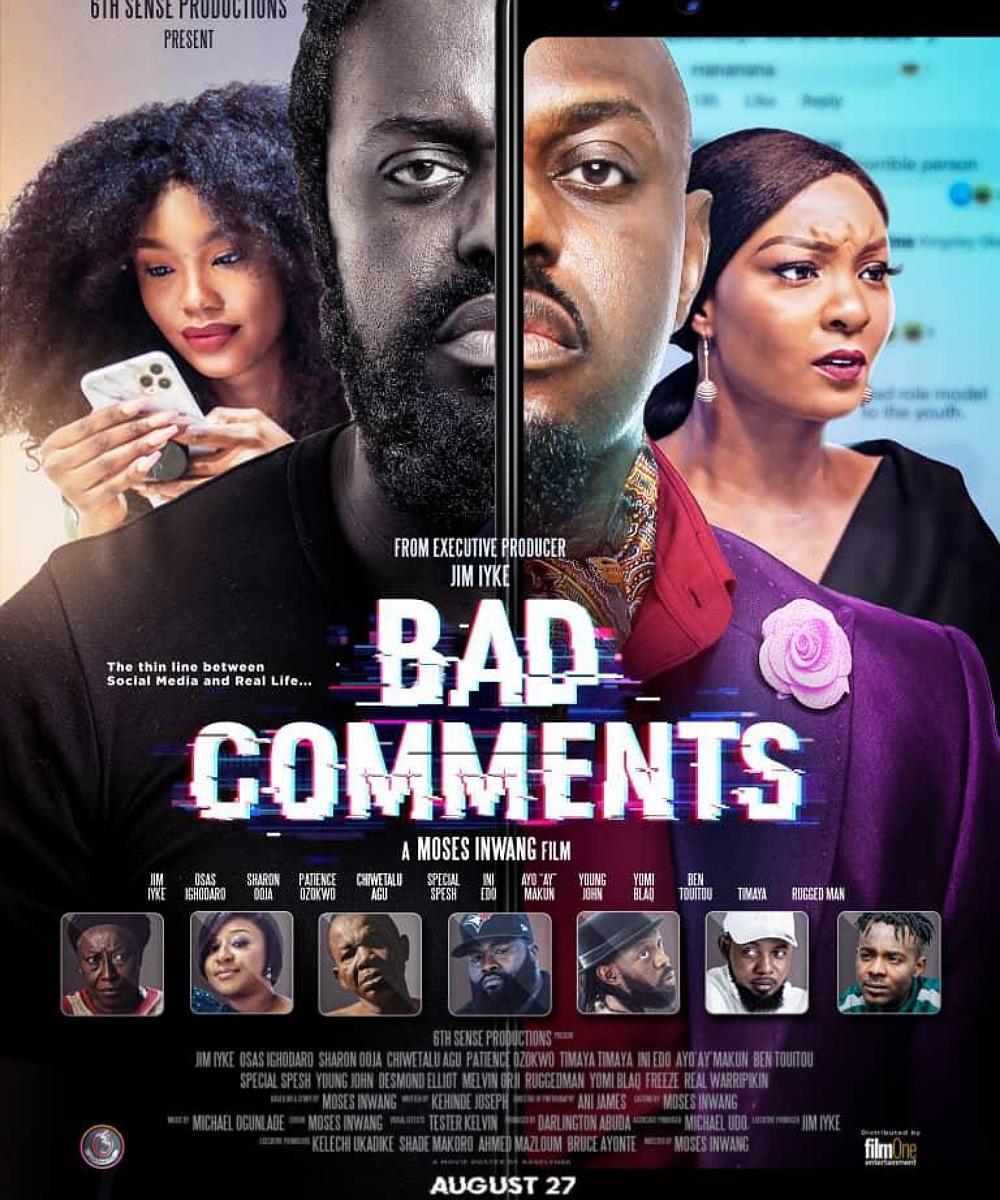
Watching Bad Comments started out promising, especially because it tackled something so relevant, cyberbullying and cancel culture in Nigeria. Jim Iyke plays Frank Orji, a popular actor who finds his whole life crumbling after a heavily edited video of him goes viral. You could actually feel the pressure mounting as his reputation spirals out of control. He’s being dragged online, brands are pulling out of deals, and the media is tearing him apart. It felt all too real, because we’ve seen similar things happen in real life.
The film really pulls you in when Frank decides he’s not going to take it lying down. He hires a hacker, his bodyguard, and his assistant, and together they go after the trolls who tried to destroy him. The tension is good, the pacing is tight, and there’s this almost vigilante energy that makes you root for him, even if his approach is morally questionable.
But then it gets to the ending, and that’s where it just crashes. After building up all this suspense and drama, the film suddenly throws everything into overdrive. The confrontation scenes with the trolls are so exaggerated that it feels like a different film entirely. There’s one particular moment where Frank delivers this long-winded monologue while confronting the mastermind behind the smear campaign, and instead of feeling like a climax, it drags on and starts to feel forced, like the filmmakers were trying too hard to moralize everything in one go.
And that’s the thing: the ending doesn’t feel earned. After everything Frank did to fight back, some of it borderline illegal, you expect some kind of real consequence or at least a complex resolution. But the film ends with him kind of being celebrated, like he’s a hero who righted a wrong, without really confronting the darker side of his revenge. It all felt too tidy, too simple, especially given how chaotic and intense the rest of the movie was.
The ending left me feeling like the film had something powerful in its hands but didn’t quite know how to wrap it up. Instead of diving deeper into the ethical mess of cancel culture, revenge, and online shaming, it glosses over the hard questions and just gives us a neat bow. For a movie that started out with such strong commentary, it really let itself down at the end.
Kesari: The King (2023)
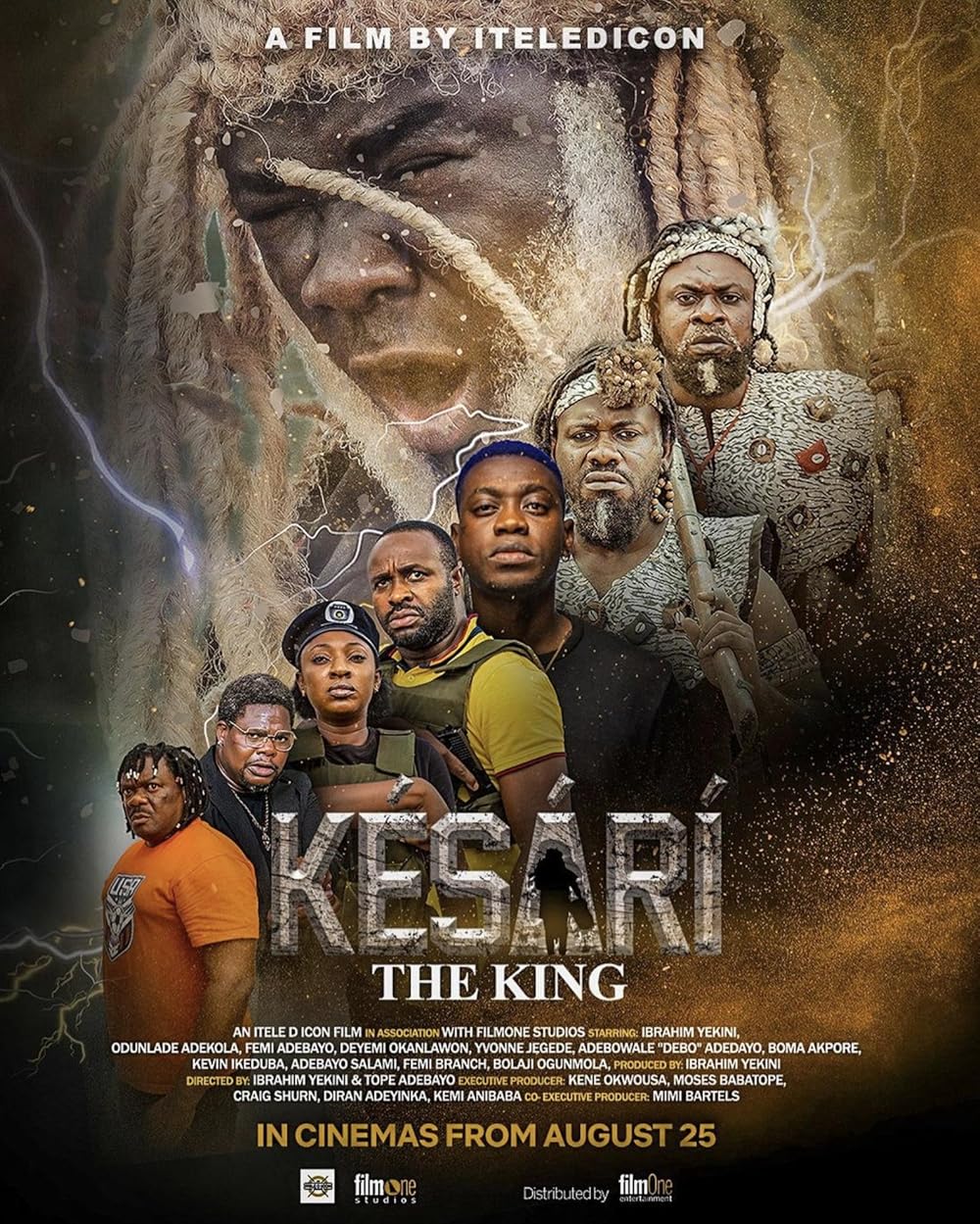
Kesari: The King was one of those Nollywood films that had everybody talking when it dropped. With the buzz around Itele and the promise of a Yoruba-rooted action story mixed with myth and a Robin Hood-style saviour figure, expectations were high. But honestly, when you sit through the entire thing, by the time the movie ends, you’re just left blinking like, “Wait… so that’s it?”
The whole film starts off feeling like it’s going somewhere big. You get introduced to this mysterious backstory of a man who was once a deity, stripped of his powers and turned into a human. That already sets you up for something epic. You’re expecting his journey to either lead to redemption, or to him reclaiming his divinity in a way that brings everything full circle. But no. They just threw that plot in and never really explored it again. It was like they lit a fire and then walked away halfway through the flames.
The transitions in the movie didn’t help either. One moment you’re in the present, then the next you’re back in some random time without warning. And the thing is, they didn’t even try to make the shifts smooth or clear. It felt more like they had two different scripts and just stitched them together anyhow. That made it hard to really follow the story or care deeply about what was happening. So by the time Kesari is facing his enemies, you’re not even sure what the stakes are anymore.
Now the ending? That’s where it really felt like they gave up. All that build-up, all the energy and loud background music, only for the climax to land flat. The final fight scenes, which should have been intense and satisfying, felt rushed and poorly choreographed. You’re there expecting a bold finish, something that ties the mythology and the action together, but instead it just fizzles out. Even emotionally, it didn’t land. The whole transformation element, man to god, god to man, was just left hanging like an abandoned storyline.
People who watched it couldn’t hide their disappointment. Some were like, “What did I just watch?” while others focused on the fact that the story was too confusing to even enjoy. There was also a lot of noise online about how the editing and transitions made it hard to follow, and even Itele’s usual charm couldn’t save the disjointed feel of the whole thing.
In the end, Kesari looked like it had the ingredients to be great, but it just didn’t come together. And the worst part? That ending made it feel like a waste of a good premise. No satisfying payoff, no proper wrap-up, just vibes and confusion.
Water and Garri (2024)

Water and Garri was one of those movies that came with a lot of hype, especially because of Tiwa Savage. People were curious, how would she do as a lead actress? The trailer sold the film as emotional, gritty, and deep, and the title alone already felt metaphorical, like it was about to be this layered story of homecoming and healing. And honestly, the film started out with that kind of promise.
Aisha, Tiwa’s character, comes back home after ten years following the tragic death of her brother, Mide. You can feel the weight of her return, the way people look at her, the memories she’s trying to avoid, the tension that just lingers in the air. The place has changed, and so has she. There are moments that feel grounded, especially in the way her relationship with her old flame, Kay, comes back into the picture. But even that starts to feel shaky the more the story moves.
At first, you think you’re about to watch Aisha unravel emotionally, maybe rediscover who she is, maybe face some dark truths. But the film keeps skimming over the heavy stuff. There’s grief, yes, but it’s never really unpacked. You’re told that she’s hurting, that Kay is into some dangerous things now, that her brother’s death changed everything, but it all feels too clean. Like the emotions are hinted at but never truly explored.
Then comes the ending. And it just… doesn’t land. All the buildup, the tension between Aisha and Kay, the gang drama, the internal conflict she seems to carry, ends in a way that feels rushed and hollow. There’s a face-off, some final dramatic choices, but the whole thing feels more like a scene in a moody music video than a climax of a full film. No real emotional punch, no sense of closure. You’re sitting there waiting for that moment of truth, that shift where everything clicks, and it never comes.
You can tell they spent time on the visuals and the music. The shots were beautiful, the soundtrack was curated with intention, and Tiwa definitely brought presence. But the story itself just didn’t dig deep enough. It felt like watching someone skim through pages of a book instead of reading it. So when the credits rolled, it was hard not to feel disappointed, not because the film was awful, but because it clearly had potential and then just dropped the ball at the end. The emotional payoff was missing, and what was meant to feel powerful ended up feeling like an empty pause.
Lakatabu (2024)

Lakatabu started out with the kind of energy you’d expect from a big Odunlade Adekola project, loud, intense, and full of swagger. From the very beginning, it felt like the movie had something fresh to offer. The idea of this larger-than-life criminal who once worked for the government but then turned into a full-blown terrorist-like figure with magical powers? That’s not something you see every day in Nollywood, especially with such a supernatural spin. Lakatabu wasn’t just robbing banks; he was staging mass abductions, collecting ransom, and daring anybody to cross his path.
At first, it was easy to get sucked into the chaos. Odunlade gave Lakatabu that classic intimidating presence. You’re watching and thinking, “This guy is unstoppable.” There was even this chilling unpredictability to him, one moment he’s delivering dramatic threats, the next he’s disappearing into thin air like some evil spirit. But as the story went on, cracks started to show. The film began to lose control of the plot it set up.
Instead of digging deeper into who Lakatabu really was, how he got his powers, what drove him to become this monster, whether there was any part of him that still had a conscience, the movie just kept throwing more noise and less substance. A few side characters came in with supposed plans to stop him, including a mercenary and the son of the politician who first enabled him. But none of their motivations were clear or strong enough to really ground the story.
Then the ending happened. And to be honest, it felt like a cop-out. After all the hype and buildup, Lakatabu is suddenly outsmarted, not through a smart, earned twist, but by a character who barely had any meaningful development up to that point. You don’t feel the weight of his downfall. There’s no emotional payoff, no true climax. It was as if the film wanted to wrap up quickly without tying up all the threads it had unraveled over the last two hours. It didn’t even feel like a proper defeat, more like they were saving him for a sequel that may or may not come, and in doing that, they robbed the audience of closure.
What makes it worse is that there were moments in the film where it could have really elevated itself, scenes that hinted at Lakatabu’s past, or the possible power struggles behind the scenes. But they were either brushed aside or completely abandoned. By the end, you’re not just confused, you’re annoyed. Because for all the fire and power Lakatabu showed, the film itself couldn’t deliver a strong enough finish to match the force it started with. It’s one of those films where you reach the end and go, “So all this wahala was for this?”
The Waiter (2024)

The Waiter honestly felt like one of those movies that had potential but just didn’t quite get there, especially with the way it ended. From the beginning, it sets itself up as this big action-comedy with Akpos, played by AY, at the center of it all. He’s this regular hotel worker who somehow ends up at the heart of a terrorist hostage situation, and you’d think this setup would lead to something thrilling and smart. But watching it, you can tell it was more interested in being flashy than in telling a grounded, logical story.
There’s this whole dramatic situation unfolding with Tonye Bright, the ex-soldier turned terrorist played by Bucci Franklin. His group storms the Crystal Hotel with guns blazing, and they’re holding people hostage because they claim they want to redistribute stolen funds back to the poor. Sounds like a layered villain, right? But the story doesn’t really explore any depth with his character. He just comes off intense without much background that makes you understand why he’s so extreme, and then things just start spiraling into chaos without structure.
Akpos’s own involvement in the whole thing starts to feel more like he’s just bouncing around trying to be funny and accidentally heroic. There’s one scene where he literally walks away from an explosion in slow motion, and I couldn’t help but roll my eyes because it felt like a copy-paste moment from a Hollywood parody, not something meant to carry the weight of the plot. It’s even more jarring because he never really does anything that actually solves the crisis. He just sort of fumbles through everything, and somehow we’re expected to believe he’s the reason things get resolved?
By the time the movie reaches the end, everything just wraps up in the most underwhelming way. There’s no proper confrontation between Akpos and Tonye, no tension that actually builds up to anything solid. It’s like they ran out of time or just didn’t know how to conclude the story, so they forced this sudden, vague ending. And to make it worse, they tried to tie in a romantic angle between Akpos and Regina Daniels’s character, Idara, which had absolutely no build-up. It felt like an afterthought, like they were trying to tick the “romantic subplot” box without giving it any real substance.
The whole film is glossy, with nice camera work and big set pieces, but it doesn’t hit emotionally or narratively. And that ending? It just left me thinking, “Wait, that’s it?” No payoff, no proper closure, just vibes and empty tension. It’s the kind of movie that makes noise but says very little, and when the credits roll, all you’re left with is confusion and disappointment.
Alakada: Bad and Boujee (2024)
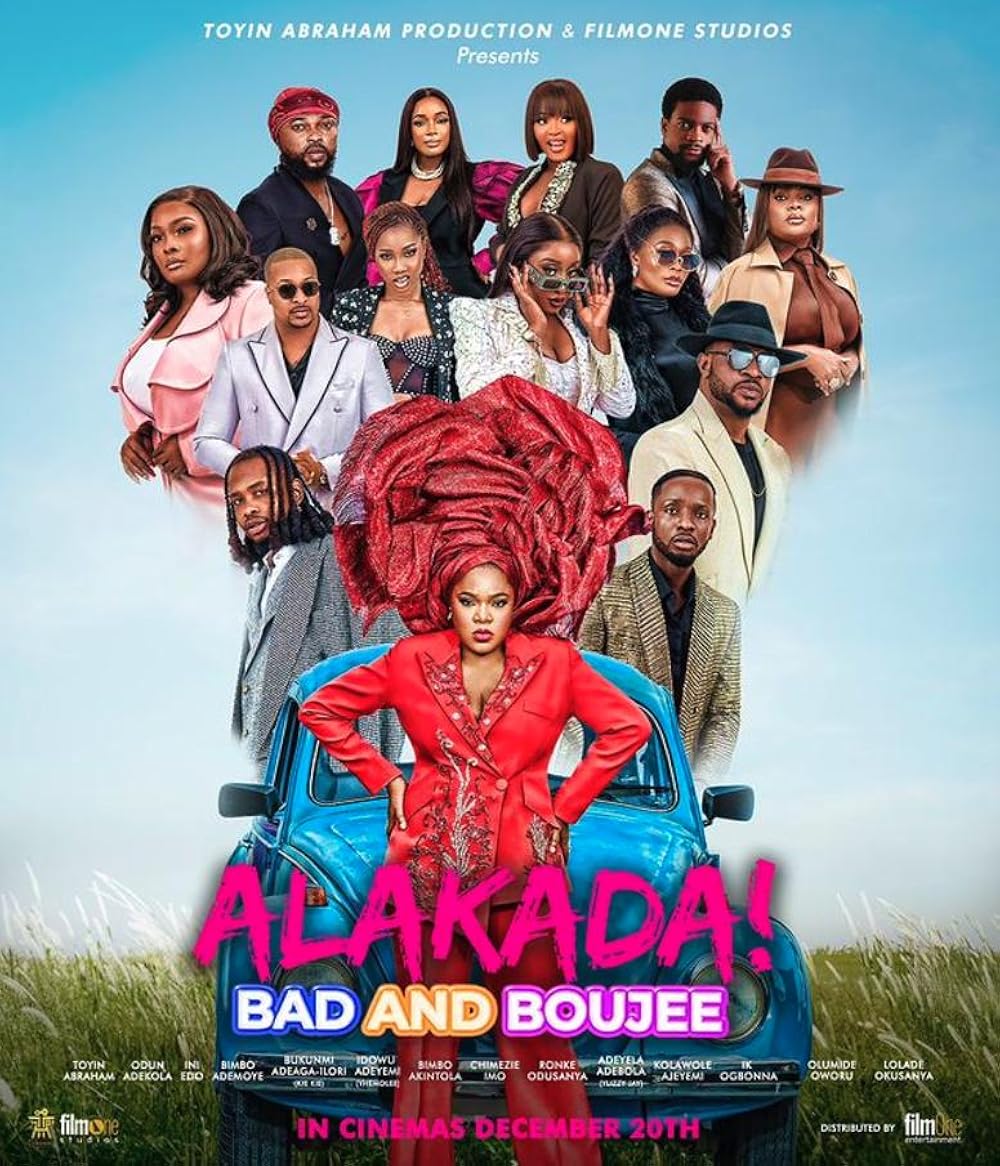
I watched Alakada: Bad and Boujee, and while the film has its fair share of entertaining moments, the ending really missed the mark. The movie centers on Yetunde Animashaun, played by Toyin Abraham, a woman from a humble background who creates this perfect, glamorous life for herself on social media in an effort to be accepted by the elite. She’s constantly caught up in this web of lies, trying to maintain an image of wealth and sophistication. Throughout the film, Yetunde and her friends, Rebecca and Abebi, get into all sorts of comical situations trying to keep up the act, from crashing high-end events to pretending they’re living the life everyone dreams of.
But here’s where the issue with the film really comes through. While it attempts to dive into themes about the pressures of social media and the lengths people will go to project a false identity, it doesn’t go as deep as it could have. There’s a lot of recycling of old themes we’ve seen in the previous Alakada films. Yetunde’s journey feels repetitive, and by the time you’re nearing the end of the movie, you’re just waiting for something new to happen, but it never does. You start to realize that the story doesn’t really offer anything fresh or insightful. The humor, which is meant to carry the movie, starts to lose its charm because it feels too familiar.
Now, the ending itself was the real letdown. After all the antics and chaos Yetunde goes through, trying to keep up this fake lifestyle, the film rushes to deliver a lesson about self-acceptance and authenticity. But it’s handled in such a quick and shallow way that it feels more like a last-minute attempt to wrap up the story. The resolution is overly simplistic. She learns her lesson, but there’s no real exploration of the consequences of her actions. It’s almost as though the movie just wanted to get to the credits, not really addressing what she’s learned or how her relationships, especially with her friends, have been affected.
What could have been a deeper, more thoughtful conclusion turns into a rushed, too-easy fix. The film just sort of ends, leaving a lot of unresolved questions. Did Yetunde truly learn anything? Were the people around her impacted in any way? These are the things the movie could’ve explored more, but instead, the narrative fizzles out, leaving a sense of unfulfillment.
In the end, Alakada: Bad and Boujee does bring some laughs, but it doesn’t stick the landing. The conclusion feels like a missed opportunity to really delve into its themes, and that leaves you walking away from the movie feeling like it could have been so much more. It’s one of those films where the fun is overshadowed by an unsatisfying ending, making you wonder if they had more to say but just didn’t know how to end it properly.
Dolapo Douglas (2024)

Dolapo Douglas starts off with a lot of promise. The way Lateef Adedimeji plays Ademola Benson, a police officer sent undercover to infiltrate a deadly robbery gang, is honestly gripping. You get pulled into this intense world of crime and deception, and then everything takes a wild turn when he gets injured during one of the missions and loses his memory. That’s when he completely forgets who he is and starts living as one of them. Not just that, he climbs the ranks and becomes this feared gang leader they now call Dolapo Douglas, or DD. It’s wild because the same man who came to destroy the gang ends up leading it.
Then you meet Dolapo, the girl from the village who eventually becomes his partner in both romance and crime. Their relationship is part of what makes the film emotionally complicated, because you know Ademola is not really DD, but at the same time, the love and loyalty between him and Dolapo feel so real, you kind of forget he’s not supposed to be in that world. For most of the film, you’re invested in this identity crisis and waiting for when the real Ademola will return.
But it’s the ending that truly falls apart. Everything comes to a head during a major robbery in Abuja, where he suddenly sees his real wife and children, and it all comes back, his memory, his identity, everything. And just like that, he decides to leave the gang, leave Dolapo, and go back to his old life. No deep conversation, no real fallout between him and Dolapo, just abandonment. The next thing you know, Vaipa, another gang member who’s angry about DD leaving, tracks him down and attacks his home. The scene is brutal. His wife gets killed right there in front of him, and he’s left wounded and broken.
Then Dolapo walks in. She sees the aftermath, sees the chaos, the blood, and the fact that she was left behind for this life he clearly couldn’t even protect, and instead of saying anything or confronting him, she just walks away. No closure. No emotion. It’s like the film just stopped caring about what it had spent two hours building up. What happens to Dolapo now? What about the rest of the gang? How does Ademola live with the consequences of his double life? None of these questions are answered.
The ending feels hollow, like the filmmakers had this great story and just didn’t know how to land it. After watching someone battle with two lives, two loves, and intense moral dilemmas, it ends in silence and bloodshed, with nothing tying it all together. It honestly left me feeling like they just gave up on the story.
Conclusion
At the end of the day, a great movie is about more than just the story, it’s about how it leaves you feeling when the credits roll. A powerful ending can make all the difference, leaving you with a sense of closure or even sparking deeper reflection.
Unfortunately, these Nollywood films, despite their strong performances and intriguing plots, missed the mark with their conclusions. It’s a reminder that a film’s journey is just as important as how it wraps up. While we may have been disappointed by their endings, we can still appreciate the talent and effort that went into creating them. Hopefully, these lessons will inspire future Nollywood projects to focus on giving us the satisfying conclusions we deserve.
Disclaimer: This article offers a critical analysis of several Nollywood movies, particularly focusing on how their endings were received by audiences and critics. While some viewers may agree with the points made, others may have a different take, as film interpretation is subjective. The intent is not to undermine the filmmakers’ efforts but to discuss how the endings affected the overall viewing experience.