
If you’ve been following Nollywood long enough, you know that our industry has always been full of raw talent, passion, and creativity. For years, Nollywood actors have been captivating audiences, both locally and across the African continent.
But what many people might not realize is that some of these same stars are now making waves in foreign films, stepping into roles that take them beyond the familiar confines of Lagos and Abuja. This shift isn’t just about crossing borders, it’s about showing the world that the heart of African storytelling can’t be contained. Whether it’s a role in Hollywood, a British drama, or a collaboration with filmmakers from other parts of the world, these actors are pushing boundaries, making history, and carving out a space for Nigerian cinema on the global stage.
In this article, we explore 7 Nollywood Stars Who Have Featured in Foreign Movies, highlighting their remarkable journeys and the impact they’ve made on the global film industry.
Nollywood Stars Who Have Featured in Foreign Movies
Nollywood has long been known as Africa’s largest and most influential film industry. Over the years, its stars have captured local and continental attention, but now, they’re reaching international heights. What was once a regional powerhouse has grown into a global cinematic force. With its expanding influence, Nollywood is no longer just about Nigerian stories; it’s about sharing those stories with the world.
For many Nollywood stars, the leap from local projects to Hollywood or international productions isn’t just a dream but a reality. A growing number of Nigerian actors are now starring in foreign films, moving beyond local fame to achieve global recognition. This transition is a testament to the industry’s evolution and the demand for African talent on the world stage.
The rise of Nollywood stars in international films is more than just about their individual successes. It’s about the broader impact on African storytelling, creating new opportunities for actors, and strengthening Nigeria’s presence in the global cinematic landscape. These actors are not only breaking barriers, they are redefining how African stories are seen and appreciated worldwide. Below, I spotlight 7 Nollywood stars who have featured in foreign movies.
Genevieve Nnaji

Genevieve Nnaji is an undeniable force in Nollywood and one of the few Nigerian actors to successfully transition into the international film scene. Her career has been defined by standout roles, groundbreaking achievements, and an unwavering dedication to showcasing African talent on a global scale.
Genevieve Nnaji is one of Nigeria’s most globally recognized actresses, with a career spanning over two decades. While she made her mark in Nollywood, she has also featured in several foreign films, working alongside international filmmakers and actors.
One of her earliest foreign roles was in Doctor Bello (2013), a Nigerian-American medical drama directed by Tony Abulu. She starred alongside Hollywood actors Isaiah Washington and Vivica A. Fox, playing Dr. Eniola, a Nigerian oncologist involved in a case where an American doctor seeks help from a mysterious Nigerian healer. This movie is a Nigerian-American collaboration, it is the first Nigerian movie to debut in the US theatres.
That same year, she also appeared in Half of a Yellow Sun, a British-Nigerian adaptation of Chimamanda Ngozi Adichie’s novel. The film, directed by Biyi Bandele, featured her in a supporting role as Ms. Adebayo, alongside Hollywood stars like Chiwetel Ejiofor and Thandie Newton. Although it was based on a Nigerian story, its production, funding, and distribution were largely foreign, making it a significant step in her international career.
In 2018, she played Tolu in Farming, a British film directed by Adewale Akinnuoye-Agbaje. The film, based on the director’s real-life experiences growing up in the UK, explored themes of identity and racism. Genevieve appeared alongside major international actors like Kate Beckinsale and Damson Idris. That same year, she made history with Lionheart, which became the first Netflix Original film from Nigeria. While the film itself was a Nollywood production, its global acquisition by Netflix gave it an international platform, further proving her ability to bridge Nigerian cinema with a worldwide audience.
Through these roles, Genevieve Nnaji has cemented her status as one of the few Nollywood actors to successfully transition into global cinema, proving that Nigerian talent can shine on any stage.
Omotola Jalade-Ekeinde

Omotola Jalade-Ekeinde is one of Nollywood’s biggest names, and her career has expanded beyond Nigeria’s borders. Her first notable foreign film appearance came in 2013 when she featured in the American television series Hit the Floor. This VH1 series revolved around the lives of professional basketball cheerleaders, and Omotola’s appearance marked a rare crossover for a Nollywood actress into mainstream American television. Though it was a guest role, it was a significant step in introducing her to an international audience.
Beyond acting, her international influence was further solidified when she was invited to join the Academy of Motion Picture Arts and Sciences (The Oscars) in 2018. This prestigious recognition placed her among global film industry professionals and highlighted Nollywood’s growing impact on the world stage.
Her ability to transition into international projects while maintaining her dominance in Nollywood has solidified her status as one of Nigeria’s most successful actresses with a global presence.
Stephanie Okereke Linus
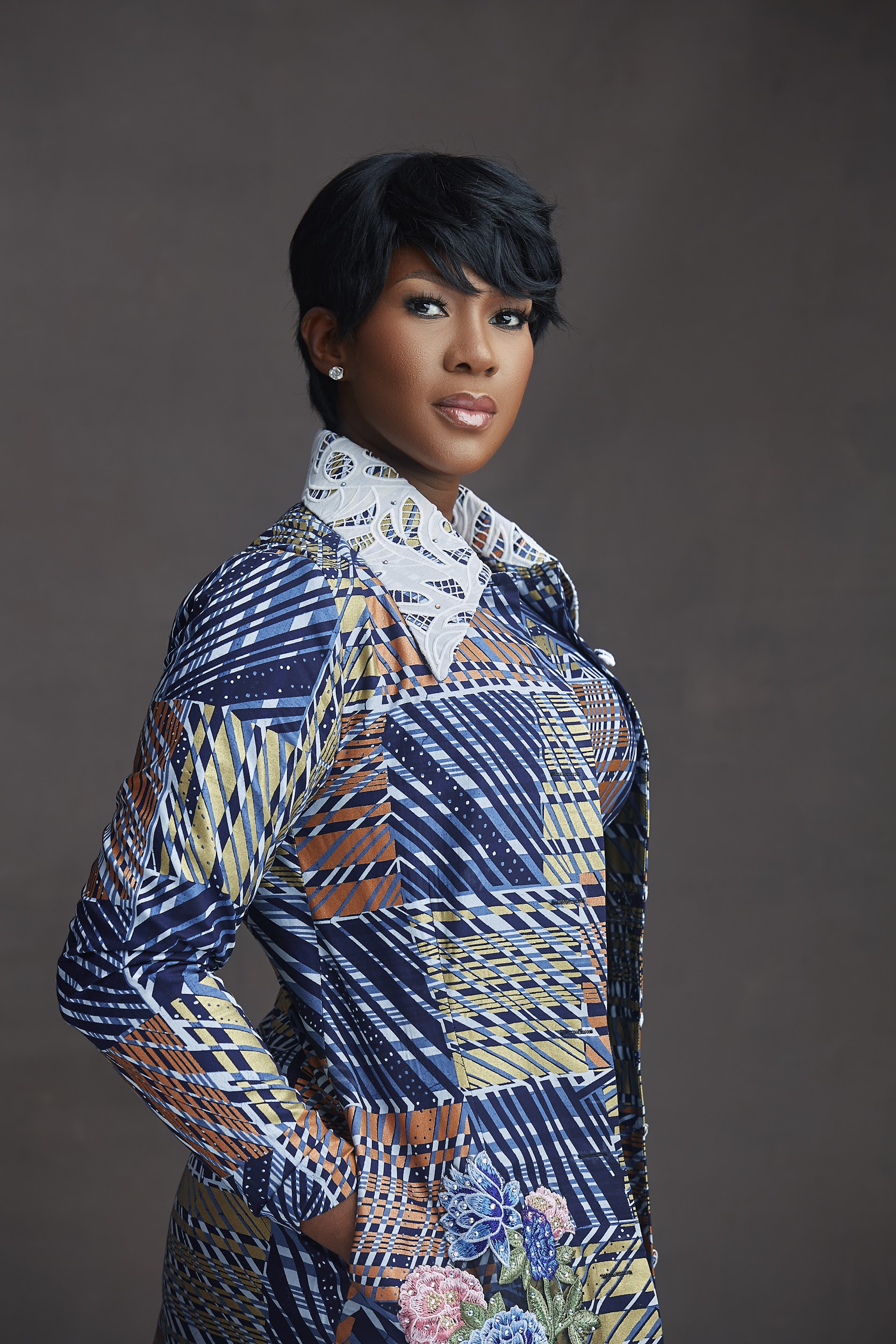
Stephanie Okereke Linus is one of Nollywood’s most accomplished actresses, and her career has extended beyond Nigeria into international cinema. One of her significant foreign film roles came in 2016 when she featured in the American film Boonville Redemption. Set in the early 1900s, this Western drama tells the story of a young girl’s search for her father in a small American town. Stephanie played the character Doris, a strong-willed woman who had once been enslaved but later became an integral part of the community. Acting alongside Hollywood stars like Pat Boone, Diane Ladd, and Edward Asner, she delivered a performance that showcased her ability to adapt to international film settings.
Following this, she reprised her role as Doris in another American movie, Miracle in the Valley (also known as Boonville Redemption 2), which was released in 2019. The family drama continued the themes of resilience and hope, and her presence in the film further solidified her recognition within the Hollywood industry.
In 2021, she took on another international role in Clash, a Nigerian-Canadian film directed by Pascal Atuma. Although the movie had Nigerian elements, it was largely produced for a North American audience, featuring a diverse, multicultural cast. Stephanie played Lolo Chinyere, a strong matriarch navigating the challenges of immigration and cultural integration in Canada. The film was well-received for its exploration of identity struggles within African immigrant communities.
With these foreign films, Stephanie Okereke Linus has successfully expanded her career beyond Nollywood, proving that Nigerian actors can secure roles in international productions and gain recognition on a global scale.
Jim Iyke

Jim Iyke has always had a presence that commands attention, and his talent has taken him beyond Nollywood. Over the years, he has featured in foreign productions, proving that his charisma and skill translate across different film industries.
In 2013, he starred in And Then There Was You, an American drama directed by Leila Djansi. The film featured Hollywood actress Garcelle Beauvais as a woman trying to rebuild her life after discovering her husband’s betrayal. Jim played Zuma, a character whose presence added weight to the emotional turns in the story. Sharing the screen with an international cast, he delivered a performance that showed his ability to adapt to different film industries while maintaining the charisma that made him a Nollywood favorite.
A few years later, in 2017, he took on a role in American Driver, a comedy that played on the humorous culture clash between Nigerian celebrities and an American driver. While the film leaned toward entertainment, it also reflected the growing interactions between Nollywood and Hollywood. Jim’s presence in the movie reinforced his status as a recognizable figure beyond Nigeria, fitting naturally into a production that catered to both African and international audiences.
Through these roles, Jim Iyke has expanded his reach beyond Nollywood, taking part in stories that appeal to audiences across different continents. His journey in international cinema continues to highlight the growing influence of Nigerian actors in global entertainment.
Olu Jacobs
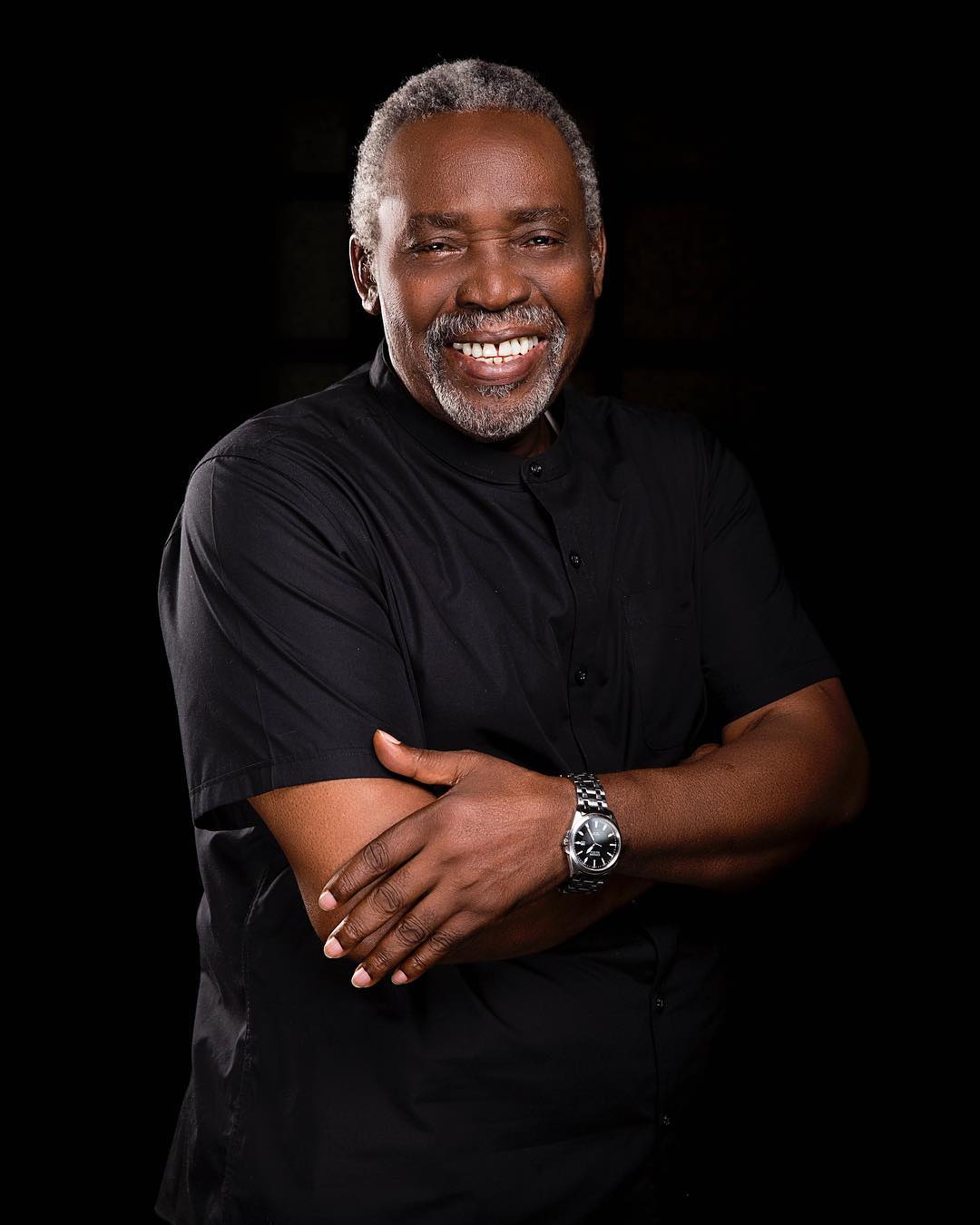
Olu Jacobs is one of the most accomplished actors to come out of Nigeria, with a career that spans both Nollywood and international cinema. Before Nollywood became an industry, he had already built a strong presence in British television and Hollywood films, proving that African actors could take on major roles on the global stage.
His journey started in the United Kingdom, where he studied at the prestigious Royal Academy of Dramatic Art (RADA) in England. This training gave him the skills to secure roles in British productions, making him one of the first Nigerian actors to gain recognition in international cinema.
In The Goodies (1971), a British comedy series, he had a minor role, but it marked his first on-screen appearance in a foreign production. This early exposure helped him secure bigger opportunities in television. By 1975, he was cast in Barlow at Large, a crime drama centered on the investigations of a determined police officer. He played the character Motamba. The same year, he appeared in The Venturers, a drama that revolved around corporate dealings and high-stakes business maneuvering. He also featured in Till Death Us Do Part, a popular British sitcom that explored social and racial issues, reflecting his ability to handle both serious and comedic roles.
His international breakthrough came in 1979 with Ashanti, a British adventure thriller starring Michael Caine, Peter Ustinov, and Omar Sharif. The film followed the story of a doctor’s wife who was kidnapped by slave traders, and Olu Jacobs played Commissioner Batak, an African diplomat who assisted in the mission to rescue her. His role was significant because it placed him in a position of authority, reflecting intelligence and strength, qualities that later became a defining part of his career.
In 1980, he appeared in The Dogs of War, an action-packed war film featuring Christopher Walken. The movie told the story of mercenaries hired to overthrow an African government. Olu Jacobs played a key role as one of the African figures involved in the political struggle, adding authenticity to the film’s depiction of African affairs.
By 1985, he ventured into Hollywood with Baby: Secret of the Lost Legend, a fantasy adventure about a group of explorers who discover a family of living dinosaurs in the African jungle. Olu Jacobs played Col. Nsogbu, a ruthless military officer who sought to capture the creatures for his own gain. His portrayal of the villain was gripping, showcasing his ability to play intense and commanding characters.
In 1986, he starred in Pirates, a swashbuckling adventure film directed by Roman Polanski. He played a crew member aboard a pirate ship, contributing to the film’s action-packed storytelling. His ability to fit into the world of seafaring adventure showed his versatility, as he seamlessly transitioned from playing African leaders to engaging in historical fantasy films.
Despite achieving international success, Olu Jacobs returned to Nigeria in 1980, just as Nollywood was emerging. His experience working abroad gave him an edge, making him one of the most respected figures in the industry. Over the years, he has appeared in over 120 Nollywood films, bringing a level of professionalism and depth that has influenced generations of actors.
His journey from British television to Hollywood and back to Nollywood, proves that Nigerian actors have always had the talent to shine on any stage. Through his dedication and hard work, he became a true icon, paving the way for future generations of African actors to break into the global film industry.
Osas Ighodaro

Osas Ighodaro is one of the few Nollywood stars who have successfully crossed into international cinema, building a career that spans both Hollywood and Nollywood. Before fully establishing herself in Nigeria’s film industry, she had already made a name for herself in the United States, where she was born and raised.
With a degree in Broadcast Journalism and dual minors in Entrepreneurship and Theater from Pennsylvania State University, along with a Master’s in Fine Arts from the Actors Studio Drama School at Pace University, she had a solid foundation in acting, which helped her land roles in foreign productions early in her career.
Her first major appearance came in Killa Season (2006), a crime drama written and directed by rapper Cam’ron. The film, based on Cam’ron’s real-life experiences in the drug trade, was raw and unfiltered, capturing the harsh realities of street life. Osas played Shinae, a minor but notable character in the story. While her screen time was limited, it was a stepping stone, placing her in a film that had a strong urban following. That same year, she appeared in Hookers in Revolt (2006), playing Delilah, one of the women caught in a world of exploitation. The film followed a group of sex workers who, tired of being controlled, decided to fight back. Though it was an underground indie project, it tackled themes of survival and resistance, giving Osas an early taste of socially conscious storytelling.
She also appeared in My African Uncle (2006), a short film that leaned more towards African narratives within an international setting. Another project, Luggage (2007), saw her lending her voice to a character, Sade’s sister. Even though it was a short film, her involvement showed her range, proving she wasn’t just limited to on-screen performances.
A major breakthrough came with Cadillac Records (2008), a Hollywood film starring Beyoncé, Adrien Brody, and Jeffrey Wright. The movie told the story of Chess Records and the rise of blues music in America. Osas played a maid, a small but significant role in a high-profile production. Being part of a film that featured some of the biggest names in Hollywood was a milestone, and it gave her a taste of working on a large-scale international project.
That same year, she starred as Nafisa in Across a Bloodied Ocean (2008), a short film that focused on the impact of war. Her character was one of the many affected by conflict, and even within the film’s short runtime, she delivered a compelling performance. She also played Rochelle Whitman in Jewslim (2008), a film that explored cultural identity and racial tensions. Her role was woven into a story that examined the intersection of Jewish and Muslim communities, further expanding her experience in projects with strong societal themes.
In 2009, she appeared in Notorious, a biopic about the life and career of rapper The Notorious B.I.G. She played a party girl, a small role in a film that captured the highs and lows of one of hip-hop’s greatest legends. While she wasn’t at the center of the story, being part of a major Hollywood biopic added to her growing résumé. That same year, she took on the role of a neglected girlfriend in Park Sharks (2009), a film that followed young men dealing with relationships and personal struggles. Her character was part of the emotional core of the film, bringing depth to its themes of love and disconnection.
Her work continued into the next decade with Computer Love (2010), where she played Chastity, a woman caught in the complexities of online dating. The film explored the risks and surprises of digital romance, and Osas’s character was one of those navigating this new world of relationships. She later reprised this role in Computer Love (2011), showing that her character had resonated enough to return for a sequel.
In The Tested (2010), she played Sheena, a woman entangled in a community struggling with violence and redemption. The film followed two young men on opposite sides of the law, and her character played a role in showing the emotional impact of the choices they made. It was a serious, thought-provoking project that allowed her to work with deep, emotional storytelling.
She later appeared as Donna in He Said, She Said: A Romantic Comedy (2011), stepping into a lighter role in a film that played on the miscommunications between men and women in relationships. Donna was witty, charming, and part of the humor that drove the story forward. That same year, she played Woman Scorned 64 in Psa 64 (2011), a short film that revolved around betrayal and revenge. Her role was part of a collection of stories about women who had been wronged and were seeking justice in their own ways.
One of her most notable Hollywood roles came in Where Children Play (2015), where she starred as Nia alongside Macy Gray. The film followed a woman returning home to take care of her abusive father, forcing her to confront painful memories. Osas’s character, Nia, was a strong, layered role that showcased her ability to bring emotion and depth to the screen. This was one of the few projects where she had a significant presence, making it one of her most important foreign performances.
Osas Ighodaro’s journey is proof that Nollywood stars can break into Hollywood and leave their mark. She has seamlessly moved between Nigerian and international cinema, building a career that showcases her talent across different cultures and storytelling styles. Whether in indie films, shorts, or major productions, she has consistently taken on roles that expand her range, making her one of the few Nigerian actors with such a diverse international portfolio.
Wale Ojo
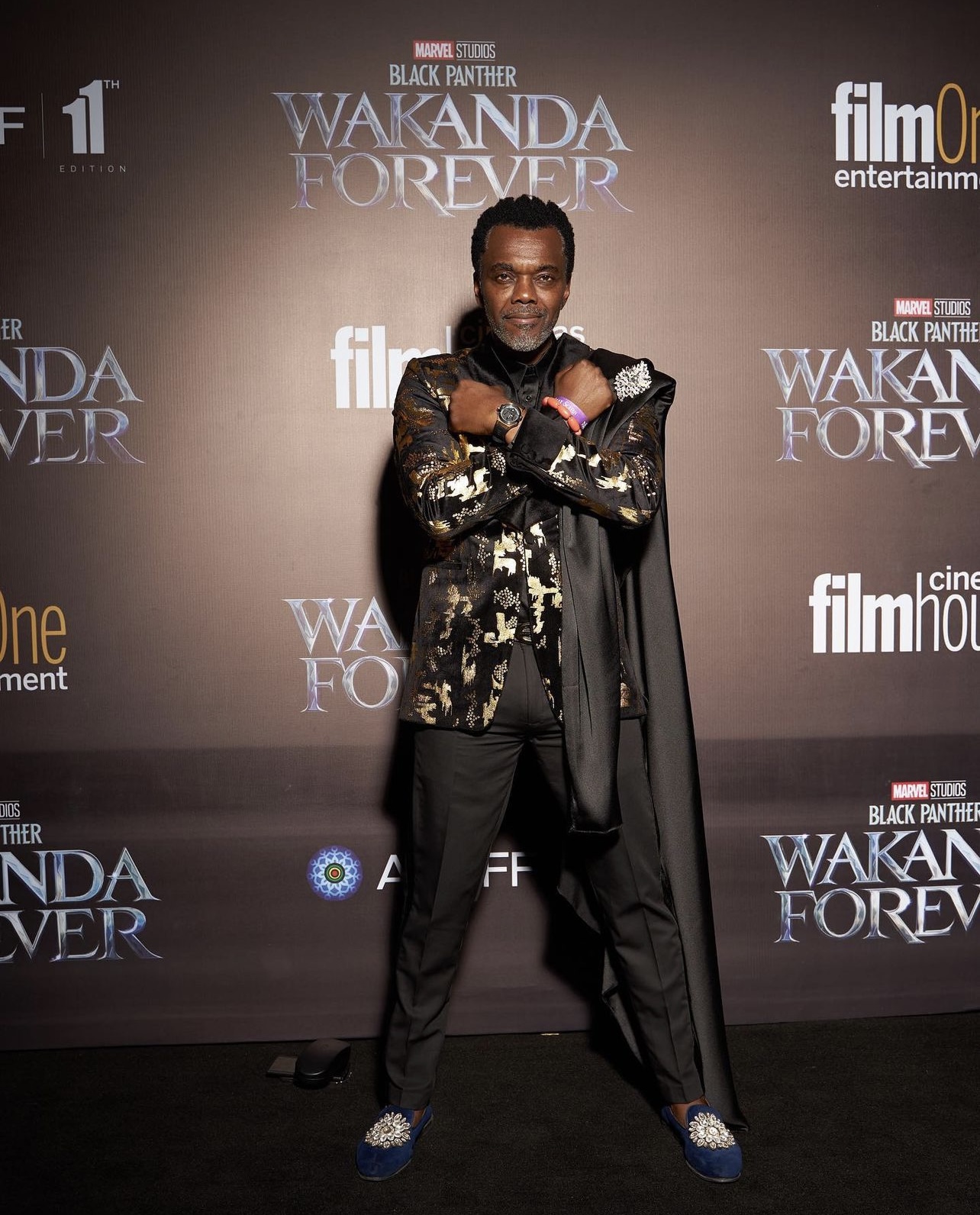
Wale Ojo is one of those actors who seamlessly blends into any setting, whether in Nollywood or on the international stage. His ability to embody different characters across cultures has landed him roles in several foreign films and TV series, each showcasing a different side of his talent.
His international journey started early with The Hard Case (1995), a British short film where he played as Mikey. The film was a crime thriller revolving around a high-stakes poker game that took a dangerous turn. Though his role was brief, it introduced him to international audiences and set the stage for bigger opportunities.
A few years later, in Rage (1999), a British crime thriller, he portrayed Pin, a schizophrenic gangster. His character was a wild card in the film’s gritty underworld, unpredictable and dangerous, making him a key figure in the film’s tension. This role allowed him to step away from conventional characters, diving deep into the mind of someone battling inner demons while navigating the violent streets of London.
Over a decade later, he made a memorable appearance in Johnny English Reborn (2011), the British spy comedy starring Rowan Atkinson. Playing President Chambal, an African leader attending a high-profile summit, Ojo brought a mix of authority and humor to the role. Chambal was one of the dignitaries targeted in an assassination plot, and his character’s presence added to the stakes of Johnny English’s mission. Though primarily a comedic film, Ojo maintained a strong diplomatic presence, balancing the humor with a statesmanlike demeanor.
That same year, he appeared in The Guard (2011), an Irish black comedy starring Brendan Gleeson and Don Cheadle. He played Doctor Oleyuwo, a Nigerian doctor who found himself in the middle of the film’s chaotic crime investigation. The film followed an unconventional Irish policeman and an FBI agent trying to stop a drug smuggling ring. Ojo’s character, while not central to the main plot, provided a voice of reason amidst the madness, offering medical insights and a grounded perspective in a story filled with dark humor and unpredictable twists.
His versatility became even more evident in Half of a Yellow Sun (2013), a British-Nigerian historical drama based on Chimamanda Ngozi Adichie’s novel. He played Chief Okonji, a well-connected Nigerian politician during the Biafran War. His character embodied the power struggles of post-colonial Nigeria, navigating alliances and betrayals in a time of political instability. As a chief, he represented the privileged class who had influence over governmental decisions, making him a key figure in shaping the war’s narrative. His role, though not the main focus, helped establish the socio-political landscape of the film.
In Black Earth Rising (2018), a British-American TV drama series, he took on the deeply serious role of Dr. Emmanuel Musoni, a man entangled in the complexities of war crimes and international justice. The series revolved around the prosecution of war criminals, and Ojo’s character was directly involved in uncovering hidden truths about atrocities committed in Rwanda. His role required him to balance legal knowledge with personal convictions, making for an emotionally charged performance. Dr. Musoni was not just a passive figure, he actively challenged powerful institutions, adding to the series’ tension.
Most recently, he appeared in Foundation (2021), an American sci-fi series based on Isaac Asimov’s influential novels. Playing Professor Arren Sorn, he was part of the intellectual elite tasked with preserving human knowledge as the Galactic Empire crumbled. His character was a brilliant but cautious academic, working behind the scenes to ensure that civilization’s knowledge wouldn’t be lost. In a show filled with political intrigue and scientific advancements, his presence represented the old guard of scholars, striving to maintain order in a universe spiraling into chaos.
Wale Ojo’s journey through these foreign films and series shows just how far Nollywood talent can reach. From crime thrillers to historical dramas, comedies, and science fiction, he has left his mark in international cinema, proving that Nigerian actors can hold their own on any stage.
Conclusion
Nollywood’s presence in global cinema is no longer just an occasional success story, it’s a movement that continues to grow. These actors have stepped onto international sets with confidence, bringing the depth and vibrancy of Nigerian storytelling to audiences beyond Africa. Their performances have not only entertained but also shown the world the richness of talent that Nollywood has to offer.
This is not just about breaking barriers; it’s about expanding the reach of Nigerian cinema, proving that Nollywood is not limited by borders. With each role, they are building bridges between industries, cultures, and audiences. As more actors follow this path, Nollywood’s global influence will only become stronger, creating even more opportunities for Nigerian stories to be told on the biggest stages.