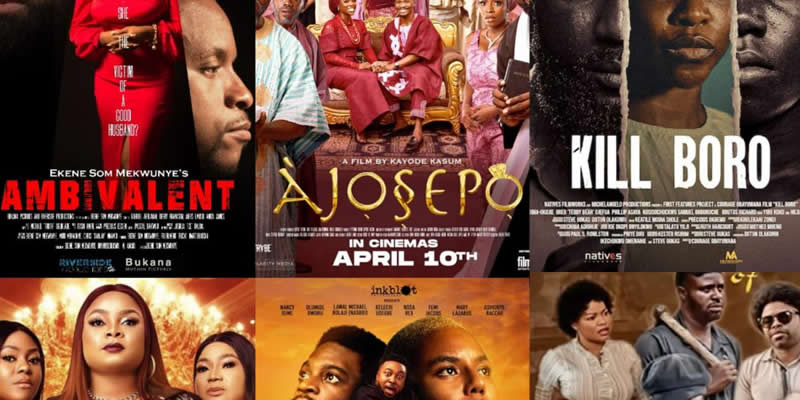
Nollywood, often hailed as one of the largest film industries globally, is no stranger to both massive successes and disappointing flops. With about 2,500 films produced each year, the industry’s growth has been nothing short of remarkable, producing films that resonate deeply with audiences not just in Africa, but across the world. But what makes some Nollywood movies skyrocket to box office success while others fall flat?
In an industry where budgets are often limited and resources are stretched, the pressure to create a hit is enormous. Yet, despite these challenges, Nollywood continues to produce films that captivate millions, films that blend powerful storytelling with cultural relevance, even on a shoestring budget.
This article digs deep into the inner workings of Nollywood’s blockbuster hits, uncovering what truly drives their success or failure. From the star power that draws in crowds, to the marketing tactics that fuel a film’s visibility, we’ll explore what makes or breaks a Nollywood movie in today’s ever-evolving cinematic landscape.
What Makes a Nollywood Movie a Hit or a Flop?
Nollywood is a powerhouse of creativity, with films ranging from deep dramas to hilarious comedies. But while some movies immediately capture our attention and become blockbusters, others seem to struggle to make an impact.
So what really makes a Nollywood movie a hit or a flop? Is it all about star power, the story, or the way the film is marketed? There’s a lot more going on behind the scenes that can determine whether a film becomes a box-office sensation or fades into obscurity. We’ll take a closer look at the key factors that play a role in making or breaking a Nollywood movie. Let’s explore what works, what doesn’t, and why it all matters in the business of filmmaking.
The Ingredients of a Nollywood Hit Movie
When a Nollywood movie makes waves, it’s not just about luck, it’s a perfect storm of elements coming together. It’s about that one-of-a-kind story that resonates, pulling from deep cultural roots and emotions we can all relate to. It’s about a cast that doesn’t just act, but becomes the characters, those raw, memorable performances that leave an imprint. It’s also about the behind-the-scenes work, from production choices to the timing of the release, that aligns perfectly with what the audience craves.
A Nollywood hit isn’t just something you watch, it’s something you experience. But what exactly are those key ingredients that turn an average film into a BLOCKBUSTER? Let’s break it down.
Star Power and Casting
In Nollywood, casting isn’t just about finding someone who can deliver lines or cry on cue, it’s a huge part of what determines whether a film becomes a hit or fades into obscurity. When audiences see names like Funke Akindele, Nancy Isime, Stan Nze, or Genevieve on a poster, there’s already an emotional and financial investment. They trust these actors to bring a certain level of quality, energy, and entertainment. That trust translates to ticket sales.
Take Everybody Loves Jenifa, for instance. It didn’t just become a hit by accident. It exploded into cinemas with a powerful cast that brought different audiences to the same screen. And the results spoke for themselves, over ₦1 billion in just 19 days. That’s not just about the script or direction, it’s about the faces people are paying to see and the stories they believe those faces can tell.
And it’s not only about big names, it’s about the right fit. Kehinde Bankole in Funmilayo Ransome-Kuti is a perfect example. She didn’t just act the part; she embodied it. People walked into that cinema curious, and left impacted. That kind of performance doesn’t just boost a film’s reputation, it builds momentum. And the numbers followed, with over ₦150 million at the box office.
Audiences are not just watching for fun, they’re judging every facial expression, every word, every gesture. If the casting feels off, people notice, and it affects the buzz. A film might have the most touching storyline, but if the actors don’t connect with the roles or don’t already have some pull with the audience, it’s hard to build that initial traction.
Star power is also deeply tied to marketing. An actor with millions of followers can turn a single behind-the-scenes post into free promotion. Their presence alone creates anticipation. But beyond that, the emotional connection audiences already have with them can carry an average script to memorable heights. And that’s where Nollywood thrives, people want to laugh, cry, or even shout at the screen with actors they’ve come to love.
So, in a way, casting is less about filling roles and more about shaping the entire identity and destiny of the film. It’s business, it’s emotion, and it’s marketing, all in one.
Production quality
Production quality is one of those vital factors that can either make or break a Nollywood film, especially when it comes to its success at the box office or with streaming platforms. It’s not just about having a flashy look; it’s about making sure the cinematography, sound design, editing, and overall visual experience are top-notch. That’s how you create an immersive experience for the audience.
Take Shanty Town (2022), for instance. This movie is a perfect example of how high production value can elevate a film. The cinematography was top-notch; the way the shots were framed, the lighting that created a gritty, intense atmosphere, it all pulled you into the world of Lagos’ underworld. And the sound design? It wasn’t just background noise. It was used intentionally to add to the tension, making the action sequences and dramatic moments even more compelling. It wasn’t just a story about crime and corruption; it was an experience, one that was made possible by meticulous attention to every technical detail.
Another film that really took the production quality up a notch is Blood Sisters (2022), which was released on Netflix. Not only was it a major success for Nollywood, but the level of attention paid to the production was evident. The series had this Hollywood-like vibe to it, which can be credited to the collaboration with international teams and the use of advanced filming techniques. The series had breathtaking visuals, sharp editing, and great sound design, all of which helped in telling a high-stakes, thrilling story about family and betrayal. And that’s what made it stand out, it felt global in its execution while still rooted in the unique Nigerian experience.
But bad production can ruin even the best story. Poor sound quality, bad editing, or shoddy special effects can make a movie fall flat. It’s the small details, like sound mixing or pacing, that can make or break a film. Take, for example, movies where the editing disrupts the flow or where the sound drowns out key dialogues, it takes viewers out of the experience. Even with a great story and talented actors, a poorly executed production can easily turn a hit into a flop.
In the end, production quality is key to a Nollywood movie’s success. It’s about blending all the technical elements; cinematography, sound, editing, and even special effects, to create a compelling, world-class viewing experience. When done right, it enhances the story and keeps the audience coming back for more.
Budget and Investment
You can’t really talk about what makes a Nollywood film a hit without talking about money. Budget, whether big or small, can quietly shape everything, from how a film looks, to who’s cast, to whether it even makes it to the cinema. Think about The Wedding Party (2016). That film didn’t just happen, it had serious money behind it. With a reported budget of around ₦60 million, it was one of the first Nigerian movies that really pushed the idea that Nollywood could look sleek, global, and still tell a story we all connect with. The production value, the locations, the wardrobe, and the marketing, it was all done right, and it showed. It grossed over ₦450 million at the box office, and that became a kind of blueprint for what a Nollywood blockbuster could be.
But of course, the flip side is when producers go all in, invest in top stars, high-end equipment, massive sets, and then the film flops. That’s the risk no one talks about enough. Not every big-budget film makes its money back, and when it doesn’t, it hits hard. Chief Daddy 2 is a typical example. It had all the star power and money you could think of, but the story didn’t land, and people noticed. Social media dragged it. Audience expectations are high now. You can’t just throw money at a film and expect magic, there has to be real substance underneath all that gloss.
Still, budget opens doors. It gives filmmakers access to better cameras, international post-production, solid marketing strategies, and top-tier cast. Take King of Boys: The Return of the King (2021). It was a Netflix-backed project, and that kind of backing gave it the muscle to expand its vision, it didn’t just come out as a film; it became a mini-series. The production was cinematic, the casting was top-notch, and the writing had room to breathe. Budget let that story grow into what it needed to be.
But more money doesn’t always mean more quality. What makes the difference is how the money is spent. Some low or mid-budget films have pulled in solid numbers and loyal audiences just by getting the basics right, strong storytelling, good acting, and smart production decisions. So yeah, budget matters. But it’s the way it’s used that really separates the hits from the flops.
Storytelling and Script
The truth is, no matter how polished a Nollywood film looks, no matter how expensive the camera, how glossy the trailer, or how famous the cast are, if the story doesn’t land, the movie won’t either. It’s always been about the story. Nigerians connect with narratives that feel rooted in reality, stories that reflect the chaos, joy, pain, and humour of everyday life. That’s what people want to see, something that hits close to home, or at least makes them feel something true.
What turns a film from just another release into a box office darling, is the story. The way a story is told, how it captures our struggles, our laughter, our daily chaos and hope is everything. Nigerians, both at home and abroad, crave stories that feel real, familiar, and sometimes just plain outrageous in a way that only our own lives can be.
Take a movie like A Tribe Called Judah, it didn’t just rake in over a billion naira by luck. That story was so grounded in everyday Nigerian reality that it almost felt like watching your neighbor’s drama unfold. A single mother with five sons, each from different fathers, planning a robbery just to survive? It was wild, but it was also deeply human. There was laughter, pain, tension, all wrapped up in something that felt true to the kind of hardship many can relate to, even if exaggerated. And Funke Akindele didn’t just produce it, she understood it. That’s what made it hit so hard.
Or think of The Black Book on Netflix. For a while, it was just a quiet buzz, then boom, it took over. The story was gritty, personal, and full of moral tension. Richard Mofe-Damijo wasn’t just playing some retired hitman for fun. He was telling the story of a broken father trying to redeem himself, wrapped up in systemic rot and grief. And that kind of plot? That’s not surface-level Nollywood anymore. That’s deeper waters. That’s the evolution of our scriptwriting.
You’ll also notice that the films that flop, they’re often the ones that try to play it too safe, same recycled “rich boy meets village girl” plot, weak dialogue, zero emotional investment. Audiences are tired. They want surprises, real emotions, culturally rooted drama, not just actors shouting or slapping each other every five minutes. They want to feel something. And when a script can give that to them, when it feels written by someone who actually gets the audience, the rest almost takes care of itself.
So yes, Nollywood is evolving fast, but the one thing that remains true is this: if the story doesn’t connect, the movie won’t go anywhere. It’s really that simple.
Marketing and Promotion: The Driving Force Behind a Hit
In Nollywood, you can have a solid storyline, great actors, and even crisp visuals, but if nobody knows your movie exists, what’s the point? That’s where marketing comes in. It’s not just about posters and trailers; it’s about building buzz, getting people curious, and making sure the right audience is paying attention. Sometimes, a film does well not because it’s the best, but because it was marketed smartly. And other times, a good film flops simply because nobody heard about it. So let’s talk about how marketing and promotion really drive a Nollywood movie’s success or failure.
Effective Marketing Strategies
Marketing is everything in today’s Nollywood. You could have the best script, the most talented cast, a massive budget, but if nobody knows the film is coming, it might as well not exist. That’s why marketing isn’t just a side thing anymore; it’s at the heart of what makes a Nollywood movie a hit or a flop.
Social media, in particular, has completely changed the game. Think about Instagram and TikTok, those platforms aren’t just for vibes anymore, they’re where hype is built. You’ll often see actors and producers dropping behind-the-scenes clips, character reveals, dance challenges, and funny skits tied to the film’s storyline. A Tribe Called Judah (2023) did this so well. From the moment the trailer dropped, there was an entire digital movement. The cast was everywhere on social media, doing interviews, hosting live sessions, teasing fans with clues. It wasn’t just a movie release; it felt like a moment.
And then there’s the influencer strategy. Producers are now teaming up with lifestyle influencers, pop culture bloggers, and comedians to push their films into spaces that traditional TV ads can’t reach. When The Kujus Again came out, you could feel the strategy, Instagram reels, TikTok content creators reenacting scenes, and even X spaces discussing the themes. It created noise and curiosity, especially among younger viewers.
Pre-release campaigns also matter. Teasers, trailers, official posters, those are no longer boring or static. They’re crafted to stir emotions. Think of Gangs of Lagos, the teaser alone had people counting down the days. And then there were interviews, press tours, and exclusive screenings that made fans feel like they were part of something big before the movie even dropped.
The best part is how this whole ecosystem is becoming smarter. Filmmakers now know that people don’t just buy tickets because of the title, they buy into a vibe, a feeling, an online wave. So when a movie flops, it’s often because that wave wasn’t built properly. Either it was too quiet, too late, or just didn’t connect.
At the end of the day, it’s not just about the film anymore, it’s about how you sell the experience around it. In today’s Nollywood, marketing isn’t just promotion; it’s storytelling before the story even begins.
Strategic Movie Premieres
Movie premieres in Nollywood today aren’t just about rolling out the red carpet, they’re strategic events that can make or break a film’s visibility. A well-planned premiere sets the tone for public perception, creates social media buzz, and most importantly, places the film at the center of cultural conversation, even before it hits the big screen.
Star-studded premieres, for example, have become almost as important as the film itself. When A Tribe Called Judah premiered in December 2023, it wasn’t just a film launch, it was a spectacle. Celebrities, influencers, and media houses showed up in themed outfits, flooding Instagram and X with photos, reels, and live updates. The hype from that single night amplified interest across every platform. People who hadn’t even seen the trailer became curious just from seeing who attended and what they wore. That kind of cultural moment drives ticket sales, especially in a country where word-of-mouth and online virality still play a massive role.
Regional premieres are also becoming a smart move. Producers are learning that Nigeria isn’t just Lagos. Cities like Abuja, Port Harcourt, and even smaller urban centers have fans who want to feel included. Hosting mini premieres or exclusive screenings in those areas helps expand a film’s emotional footprint across the country.
Then there’s the international angle. Nollywood filmmakers are no longer content with just the Nigerian audience. Take Mami Wata, for example, which premiered at Sundance and eventually made its way to global festivals. Or Gangs of Lagos, which Amazon Prime promoted heavily for its global release. These international rollouts come with two major benefits: credibility and access. They give Nigerian filmmakers validation on the global stage, and they expose the film to audiences that might not typically watch Nollywood. It’s also a chance to attract foreign distributors, streaming platforms, and even award nominations, which all boost the film’s reputation back home.
So it’s not just about glitz anymore. Strategic premieres, whether they’re in Lagos, London, or Toronto, are now an essential part of the blockbuster equation. They build excitement, drive conversation, and make the film feel like an event, not just a release.
Target Audience Engagement
Understanding the audience isn’t just about throwing ads everywhere and hoping something sticks. In Nollywood, filmmakers who take time to know who they’re speaking to, and what that audience actually cares about, tend to create bigger waves. It’s why movies like Brotherhood and The Trade hit differently. They weren’t just good films; they were marketed like the people they were made for mattered.
When Brotherhood was released in 2022, the team behind it didn’t just push trailers online and call it a day. They targeted young Nigerians, especially those on X and TikTok, who love fast-paced action and street-smart storytelling. They made the cast part of the campaign, with Falz, Tobi Bakre, and Basketmouth constantly posting behind-the-scenes moments, memes, and character teases. It created a sense of community around the film even before its premiere.
But engagement isn’t always about social media. Sometimes, it’s about meeting people where they are. In places where data is expensive and smartphones aren’t as widespread, radio and local TV still do the heavy lifting. For more culturally grounded films like Anikulapo, there were traditional media campaigns on Yoruba-speaking radio stations, especially in the Southwest. That helped the film gain traction among viewers who might not be on TikTok but are loyal to indigenous storytelling.
Grassroots promotions are also key. A few filmmakers have partnered with community centers, local influencers, and even religious institutions to spread the word. It’s an old-school strategy, but when used right, it works. The success of films like A Simple Lie and Ijakumo showed how understanding your market from their language to their humor can turn a modest production into a viral sensation.
In the end, if a film speaks the audience’s language, literally and emotionally, they’ll not only show up for it, they’ll tell everyone else to come along. And in Nollywood, that kind of organic buzz is priceless.
Distribution Channels: Getting the Film to the Audience
No matter how good a Nollywood movie is, it can’t make an impact if people don’t get to see it. Getting the film from production to the audience is just as crucial as making the film itself. The right distribution channels, whether it’s cinemas, or streaming platforms, can determine how far the movie goes and how many people it reaches. But when this part of the process is handled poorly, even a great film can quietly fade away. Let’s talk about how distribution plays a major role in whether a Nollywood movie succeeds or flops.
Traditional Cinematic Distribution
The cinema culture in Nigeria has evolved quickly over the past decade, and it’s now a major force in deciding whether a Nollywood movie becomes a box-office hit or fades quietly. Before, the industry leaned heavily on DVD sales and TV licensing, but now, theatrical releases are where a lot of the big money and prestige resides.
Cinemas like Filmhouse, Genesis Deluxe, and Silverbird have become more than just screening venues, they’re now the gatekeepers of what Nollywood films get nationwide exposure. If your movie gets a spot on their screens, especially during prime release windows like festive periods or holidays, you’re already halfway into the hit conversation. That’s exactly what worked for The Wedding Party back in 2016, it wasn’t just a good film; it was everywhere. And since then, other blockbusters like Omo Ghetto: The Saga, Brotherhood, The Set Up 2, and Ijakumo have followed similar paths, strong cinema presence, strategic release dates, and audience-centered rollouts.
What’s also interesting is how cinema audiences themselves are shaping what kinds of films get made. These days, producers are paying attention to who’s buying the tickets. Young adults between 18–35 are dominating cinema seats, and they’re drawn to fast-paced, drama-filled stories, thrillers, and high-quality romance, especially the ones with a modern, urban twist. So naturally, filmmakers tailor their content accordingly. The more in touch a producer is with what this crowd wants, the more likely their film will rake in millions.
Ultimately, traditional cinematic distribution is no longer just about getting your movie into a theater, it’s about aligning your entire film project with the habits, timing, and taste of the evolving Nigerian cinema-going audience. That’s where the wins and the flops start.
Digital Platforms and Streaming
The rise of digital streaming platforms has completely reshaped how Nollywood movies are consumed, funded, and even judged. Just a few years ago, getting your film on DVD or aired on Africa Magic felt like the pinnacle. Now? If a Nollywood movie drops on Netflix, Prime Video, or even newer platforms like Showmax or Circuit TV, it’s seen as a major accomplishment and often, it is.
These platforms have done more than just expand reach; they’ve opened Nollywood to a truly global audience. Think about movies like Shanty Town, The Black Book, Aníkúlápó, and Gangs of Lagos. The fact that millions of people around the world could stream these titles the same day they dropped in Nigeria is revolutionary. Shanty Town, for instance, dominated Netflix’s Top 10 charts globally, bringing Nollywood into conversations it wasn’t part of a few years ago. The Black Book not only had high-end production value but also had that Netflix stamp of approval that made people take it more seriously, even if they wouldn’t have gone to the cinema for it.
There’s also the financial side of it. With platforms now paying licensing fees or commissioning original content directly, many producers no longer have to depend on box office sales alone. For example, Amazon Prime Video’s entry into the Nigerian space came with original film deals, exclusive premieres, and partnership investments that provided breathing room for creatives to take more risks.
But that doesn’t mean every streaming movie becomes a hit. Some titles that bypass theatrical releases don’t always land well. They may get attention at launch, but without that real-time buzz or premiere excitement, many fade fast. It’s why even with streaming deals, some filmmakers still push for cinema runs first, just to build momentum, generate media coverage, and then transition to streaming for long-term revenue.
So, while the digital wave has transformed Nollywood, success still depends on how well a movie is positioned, whether it’s a cinematic spectacle, a binge-worthy streaming drop, or ideally, both.
Global Reach and Diaspora Audience
One thing that can never be overstated when it comes to making a Nollywood movie a hit is how the global and diaspora audience has changed the entire game. Years ago, success was mostly local films that did well in Nigerian cinemas, YouTube, or sold out on DVDs. But now, if a movie doesn’t travel beyond Nigeria, it’s often considered to have underperformed. And that’s because the African diaspora, especially in the UK, U.S., Canada, and even countries like South Africa and Germany, is hungry for content that reminds them of home, their culture, and the kind of raw storytelling only Nollywood knows how to deliver.
That global audience plays a huge role in whether a film becomes a blockbuster or not. Platforms like Netflix and Prime Video have opened the gates wide. When Aníkúlápó dropped on Netflix, it wasn’t just a Nigerian film anymore. It was trending globally, watched and talked about in places like the U.S. and Brazil. Same with Shanty Town and Blood Sisters, these titles gained serious traction not just because of their star-studded casts, but because they were backed by platforms with global reach and presented stories that didn’t water down their Nigerian-ness. Instead, they doubled down on it and it paid off.
But what really makes that global reach effective is the intentionality. Producers now know that if they want their film to become a hit, it can’t just be good, it has to be globally palatable. That means paying attention to things like accurate subtitles, culturally respectful translations, sound quality, and pacing. It means understanding that someone in Toronto who has never been to Ajegunle still wants to understand what’s happening in that scene, and more importantly, feel it. When a movie is promoted at film festivals or launches in the UK with major press, it’s not just for optics, it’s strategic. These events help get the attention of both diasporic fans and international film critics. And once that audience is locked in, word spreads fast.
You see a movie like Gangs of Lagos being pushed heavily not just in Nigeria, but in diaspora communities too. Red carpet events in London, social media campaigns targeting Afro-Caribbean audiences, Nollywood stars doing interviews with international press, it’s all part of the push. Because once a film gains attention abroad, the ripple effect often brings even more success back home.
So yes, global reach is no longer just “nice to have.” It’s one of the major ingredients of a Nollywood hit. When filmmakers make something that resonates both at home and abroad, and when they do the work to bridge the gap between cultures without losing authenticity, that’s when a film becomes more than just a movie. It becomes an event. And in Nollywood today, that’s the new definition of a hit.
The Role of Criticism and Reviews
Once a Nollywood movie hits the screens, the audience doesn’t just watch, they talk. Critics weigh in, social media lights up, and word of mouth begins to shape the film’s reputation. In today’s fast-paced digital world, the way a movie is received can make or break its success. Reviews, both professional and casual, have become powerful tools that influence public perception and box office numbers. So, how exactly do criticism and reviews play into the fate of a Nollywood film? Let’s break it down.
The Influence of Critics
When you think about the success of a Nollywood movie today, you can’t overlook the growing influence of critics, whether they’re traditional film critics, bloggers, or the army of influencers that dominate social media. In the past, Nollywood movies primarily relied on word of mouth and local buzz, but now, reviews, whether positive or negative, play a significant role in how a movie performs.
Take a film like Everybody Loves Jenifa for example, it was a huge success, both commercially and critically. Positive reviews from critics helped it gain momentum early on, and it turned into a cultural phenomenon. But it wasn’t just the critics; social media influencers jumped on the bandwagon too, posting about it, giving their opinions, and helping to create a buzz that carried it to new audiences. Everyone was talking about it, on X, Instagram, and even on YouTube. That kind of buzz can do wonders, especially with younger audiences who are heavily influenced by what’s trending online.
However, it’s not all sunshine and roses. A movie can go from hyped to flop in a matter of days if the reviews are bad. When a Nollywood movie gets panned by critics, or worse, goes viral for all the wrong reasons, it often impacts box office numbers and attendance. Remember Banana Island Ghost? While it had a decent following, it was met with mixed reviews, especially around its storyline and the pacing, and that did affect its performance in cinemas. When the reviews aren’t favorable, even the best marketing strategies can’t always save a film. Audiences are now much more likely to consult X or Google before buying a ticket.
But here’s the tricky part: in this age of social media, public perception and critical reception aren’t always aligned. Sometimes, a movie may get bad reviews from critics but still perform well because it resonates with its audience on a personal or cultural level. Take Shanty Town, for example. While critics had varying opinions, the storyline, the action, and the local references made it a hit with fans, especially those who love gritty, real-life Nigerian drama. The same happens with blockbusters like Queen Latifah, it might not have been everyone’s top pick for a cinematic masterpiece, but it had the right mix of comedy and star power that kept audiences coming back.
It’s clear now that movie critics and influencers shape the conversation around Nollywood films in ways that can either make or break them. Positive reviews help generate momentum and ensure that more people buy tickets. On the flip side, negative reviews, especially those that get amplified on social media, can cause a significant dent in a film’s success. It’s a fine balance, having critics on your side is invaluable, but even with bad reviews, a movie that connects with its audience on a deeper level can still thrive.
Audience Feedback and Word of Mouth
Audience feedback and word-of-mouth are two of the most powerful tools that contribute to the longevity and success of a Nollywood film. In an era where social media plays a significant role in shaping public opinion, the power of word-of-mouth is more pronounced than ever. A movie’s reception by the audience can be the difference between a fleeting success and a lasting cultural phenomenon.
Take A Tribe Called Judah as a prime example. When the movie was released in December 2023, it quickly garnered attention for its relatable storyline and engaging performances. The film’s central theme of family, struggle, and personal redemption resonated deeply with Nigerian audiences, especially those who could relate to the complexities of family dynamics and the pursuit of success. But beyond its initial marketing, it was the audience’s reaction that truly helped propel the film into box-office history.
Word-of-mouth started spreading rapidly. Viewers took to social media platforms like Instagram, X, and TikTok to share their thoughts on the movie, praising not just its entertaining plot but also its emotional depth. This organic buzz quickly grew into a movement, with fans urging their friends and family to watch the film. Because of the relatable characters and the film’s connection to Nigerian culture, people felt emotionally invested and couldn’t help but share their thoughts online.
As the buzz intensified, A Tribe Called Judah became a topic of conversation in both online and offline circles. The film’s commercial success was no longer just driven by traditional advertising or influencer campaigns; the audience themselves were now the driving force behind its popularity. Positive feedback from viewers influenced many others who were still undecided about watching the film. This type of grassroots promotion helped the movie maintain its momentum in theaters, ensuring that it didn’t just have a successful opening weekend but sustained box-office sales for weeks.
By the time the movie crossed ₦1 billion at the box office, it wasn’t just the movie’s plot or star power that had carried it; it was the overwhelming support of the audience that had transformed it into a major hit. People weren’t just watching A Tribe Called Judah; they were advocating for it, recommending it to others, and ensuring that it stayed in public consciousness.
This case study shows how, in Nollywood, audience feedback is crucial. It’s not just about the first few days of ticket sales; it’s about the sustained conversations and recommendations that drive the film’s success. The feedback from the audience and their willingness to spread the word can keep a movie alive long after it’s left the theaters. In fact, for A Tribe Called Judah, word-of-mouth helped it transition from a box-office hit to a cultural milestone in Nollywood.
Word-of-mouth can sometimes be the most organic and effective form of marketing, and in the case of Nollywood films, it can truly make or break a movie.
The Flop Factor: Why Some Nollywood Movies Fail
Not every Nollywood movie makes it to the spotlight, and even fewer leave a lasting impact. While the industry is bursting with creativity and ambition, some films still fall short; commercially, critically, or both. The reasons aren’t always obvious from the outside, but behind the scenes, there are common threads that explain why certain movies just don’t hit the mark. From budget constraints to marketing missteps, let’s take a closer look at the real factors that cause some Nollywood films to flop.
Poor Execution
When a Nollywood movie flops, one of the major factors that can contribute to its failure is poor execution, and this usually happens when there’s a lack of coherence in the storyline or the scriptwriting falls short. Sometimes, a movie starts with great potential, boasting a good cast, a massive marketing campaign, or even high expectations due to the buzz surrounding it. But, at the end of the day, it’s the execution that determines whether the movie will soar or crash and burn.
Take, for example, “The Set Up” (2019). This movie had a lot going for it, strong performances from known Nollywood stars like Adesua Etomi-Wellington, Jim Iyke, and Dakore Akande, as well as a well-crafted teaser that created a lot of anticipation. But when audiences finally watched it, many were left underwhelmed. The film’s pacing felt disjointed, and the plot, while having potential, seemed rushed, leading to confusion. It lacked that organic, immersive quality that good films in Nollywood often have. The expectations were set high, but the final product didn’t align with them, leaving viewers disappointed.
Poor scriptwriting is often the core issue in these failures. A script needs to not only have a good storyline but also develop characters that audiences care about, and that isn’t always the case. The lack of coherent storylines can make a film confusing or leave viewers disinterested, ultimately driving them away. It’s frustrating for moviegoers when they see a plot that has potential, but the writing and direction fail to pull it all together. These types of missteps can make a movie flop, even if it seemed promising before its release.
In a nutshell, the movie industry relies heavily on execution. If the script isn’t compelling, if the story doesn’t flow well, or if there’s a mismatch between the hype and the actual content, the film will struggle to find its audience. And that’s one of the reasons why some Nollywood films, despite all their initial excitement and buzz, fail to live up to expectations. Poor execution, whether through bad scriptwriting or lackluster direction, ultimately leads to disappointment, turning what could have been a hit into a flop.
Mismatch Between Budget and Expectations
When you think about why some Nollywood movies flop, a lot of it boils down to that delicate balance between expectations and what the movie can actually deliver, especially when the budget doesn’t quite match what’s being promised. You know, it’s like when a movie has this huge concept, all these grand ideas, and everyone’s talking about it like it’s going to be the next big thing, but then you see the actual film and it just doesn’t measure up.
Take production quality, for instance. In Nollywood, there’s this constant desire to make something visually striking, something that’ll grab attention. But when the budget doesn’t support that vision, you end up with something that feels a little off. The cinematography might be shaky, the special effects might look amateur, and the overall feel just doesn’t live up to the hype. The audience picks up on that pretty quickly, and it can lead to them tuning out or worse, criticizing the movie all over social media. And once that happens, the box office numbers dip, and it’s pretty much over from there.
Then there’s the whole marketing side of things. You could have an amazing storyline, a killer cast, and something that really speaks to people, but without the right budget to get the word out, it’s like the movie never even existed. Nollywood films can sometimes struggle with getting the right promotional push, whether it’s advertising, getting good reviews, or just making sure people know the movie is out there. If the marketing is weak or non-existent, then that’s a huge missed opportunity, especially when there’s so much competition.
And let’s talk about the story for a second. When money is tight, there’s often this pressure to cut costs where you can, and one place that sometimes gets overlooked is the script. A rushed or underdeveloped script can easily turn a potentially great movie into something forgettable. If the plot feels weak, predictable, or poorly written, it’s not going to hook the audience the way it needs to. That’s where expectations crash head-on with reality. People go in hoping for a solid, well-executed story, and if they don’t get that, they’ll lose interest fast.
Casting is another big one. Nollywood has some huge stars, and people expect to see those familiar faces in the movies they watch. But when a film has a modest budget, it might not have the means to afford those big names. Instead, they might have to rely on lesser-known actors who can’t bring the same level of draw or performance to the table. It’s not to say the lesser-known actors are bad, but when the expectation is there for a big performance and you don’t get that star power, it can fall flat.
If a movie can’t get the right distribution or access to a large audience, it’s doomed from the start. Even if the film has potential, if it’s not showing in the right cinemas, streaming platforms, or being seen by enough people, it won’t have a chance to succeed. Word of mouth is so important, but that doesn’t even get the chance to build if the movie isn’t out there in the first place.
In the end, it’s about balance. Nollywood movies flop when there’s a disconnect between the movie’s aspirations and its financial reality. When the budget can’t support the expectations around a film, whether it’s in terms of visuals, marketing, story, or cast, it’s hard for that film to make a lasting impression, and before long, it becomes just another missed opportunity.
Market Saturation
Market saturation is another huge factor when it comes to Nollywood movies flopping. The industry has grown so rapidly over the years, with more movies being produced every year than ever before. There’s an overflow of content out there, and that can make it hard for any one movie to stand out, no matter how good it is.
What happens in a saturated market is that the audience starts to feel overwhelmed by the sheer number of choices available to them. When you have so many movies coming out all the time, it’s easy for a film to get lost in the noise. Even if a movie has a great concept, a stellar cast, or is produced well, it might not get the attention it deserves because there’s simply too much else competing for people’s time and interest.
Think about it this way; before, there used to be a select number of movies that people were excited about, and they’d make sure to catch them in the theater or wherever they could. Now, with streaming platforms and constant releases, the audience’s attention is divided across so many options. If your film isn’t marketed in a way that makes it pop out from the crowd, it can easily get overlooked.
In a saturated market, it’s no longer just about having a good movie. It’s about making sure your movie gets the right exposure, at the right time, in the right way. With so many films being made, it’s easy for even a well-produced, well-acted film to struggle because there’s so much competition for the audience’s attention. People might scroll through their streaming service, see dozens of Nollywood films, and just pass by yours without a second thought.
The audience also starts to become more discerning when they’re faced with so many options. They’ve seen it all before; similar plotlines, familiar faces, and even the same tropes. So if your movie isn’t offering something fresh or new, it can get lost in the sea of films that all feel like they’re doing the same thing. In other words, market saturation raises the bar for what people expect. It’s no longer enough to just release a movie with a famous actor or a trending topic. The movie has to stand out in a way that feels unique and exciting.
To sum it up, market saturation in Nollywood means there’s a lot of noise to cut through. With so many movies coming out, it becomes harder for any one film to grab the audience’s attention and succeed. Without a clever marketing strategy, a fresh angle, or a unique selling point, even the best movies can get drowned out by the sheer volume of content that’s out there.
Bad Marketing
Bad marketing can be a real killer for Nollywood movies. Even if a film has great potential, strong performances, and an intriguing plot, without the right marketing, it might not go anywhere. Marketing is essentially the bridge between the movie and the audience, and if that bridge is poorly built, the film might never reach its intended viewers.
One major issue is when a movie isn’t marketed well enough to even get noticed. Think about the countless movies that never get proper promotion, whether it’s in terms of trailers, social media buzz, or advertisements. If no one knows the film exists, no one is going to watch it. This is especially important in Nollywood, where a lot of the audience depends on word of mouth or social media to find out about new releases. Without a strong presence on platforms like Instagram, X, or YouTube, a film can easily slip under the radar.
But bad marketing goes beyond just lack of promotion, it can also be about the wrong kind of promotion. Sometimes, films are marketed in a way that misrepresents what they are. For example, you might see a trailer that promises a heart-pounding thriller, but when you watch the movie, it’s not quite as exciting or dramatic as the marketing made it seem. This kind of mismatch can leave the audience disappointed and even angry, leading to bad reviews and ultimately a flop.
The marketing might also be targeted at the wrong audience. Nollywood films often have very specific fan bases, and if the marketing doesn’t align with the preferences and interests of those audiences, it’s not going to land. For instance, promoting a romantic drama to an audience that primarily enjoys action-packed thrillers will only lead to confusion and poor ticket sales.
Another huge factor is how the movie is positioned in the market. If there’s no clear identity or niche, or if it’s just another movie trying to blend in with the rest, people won’t be compelled to watch it. Good marketing helps a film find its unique selling point, whether that’s a unique story, a new face in the cast, or a twist on a familiar genre. Without a strong identity, the movie can get lost among hundreds of others that are fighting for the same attention.
Lastly, bad marketing can also mean a failure to tap into the power of influencers or celebrity endorsements. Nollywood films often rely on social media influencers or celebrities to drum up excitement. If the marketing team fails to get these key people on board or doesn’t know how to leverage their influence effectively, it can limit the movie’s reach.
At the end of the day, bad marketing in Nollywood can sink a movie, no matter how good it is. If the film isn’t seen, if the audience isn’t properly targeted, or if the messaging doesn’t match the actual content, the movie is going to struggle. In a market as competitive as Nollywood, marketing isn’t just a luxury, it’s essential to ensuring a film’s success.
Conclusion
The business of Nollywood blockbusters is a high-stakes game of understanding audience psychology, timing, and cultural pulse. A film isn’t guaranteed success just because it has a big budget or star power, it’s the ability to strike a chord with viewers that counts. It’s about creating stories that speak to people’s realities while also capitalizing on the latest trends, both locally and globally.
But beyond the storytelling, there’s a strategic business side: smart marketing, the right distribution channels, and the ability to stir up anticipation before the movie even hits the screen. A Nollywood hit doesn’t just entertain; it creates a cultural moment that audiences talk about long after the credits roll.