
Nollywood has come a long way from the days of VHS tapes being sold in open markets to becoming a global film powerhouse with movies premiering on international streaming platforms. The journey of how Nigerian films reach audiences has been shaped by technological advancements, changing consumer habits, and the relentless drive of filmmakers to stay ahead.
From the dominance of DVD sales to the rise of cinemas and the streaming revolution, each phase has redefined how Nollywood operates. This article explores the evolution of Nollywood distribution, tracing its path through the decades and examining how it continues to adapt in an ever-changing media landscape.
The History of Nigerian Cinema
Cinema in Nigeria dates back to the late 19th century, with the first recorded film screening at Glover Memorial Hall, Lagos, in August 1903. Organized by the Spanish film company Balboa and Company, this event introduced silent films to Nigerian audiences. The first major local interest film was a 1904 documentary about the Alake of Egba’s visit to England.
The 1920s saw colonial filmmakers using mobile cinemas to showcase propaganda and educational films. The first Nigerian-featured film, Palaver (1926), was directed by Geoffrey Barkas. By the 1930s, cinemas were expanding across Lagos, showing mostly foreign films. Notable cinemas included Rex, Regal, and Royal, established by the West African Pictures Company.
During this period, Nigerian theater thrived with traveling troupes like Agbegijo and Alarinjo, featuring pioneers like Duro Ladipo and Ishola Ogunmola. The colonial government later set up the Nigerian Film Unit, using mobile cinemas to screen documentaries and public service films.
After independence in 1960, cinema grew rapidly, though it remained dominated by Hollywood, Bollywood, and Asian films. Nigerian filmmakers like Hubert Ogunde, Ola Balogun, and Moses Olaiya began producing locally shot films in the 1970s. The 1972 Indigenization Decree transferred ownership of cinema houses from foreigners to Nigerians, further boosting local production.
The 1970s oil boom led to more investment in cinemas, culminating in the 1976 opening of the National Arts Theatre in Lagos. However, by the 1980s, economic decline, poor funding, and military rule led to a downturn, with many cinemas shutting down or converting into churches.
With cinemas fading, Nigerian filmmakers embrace home video. Jimi Odumosu’s Evil Encounter (1983) gained popularity through video sales, leading to a boom in home video productions. Kenneth Nnebue’s Living in Bondage (1992) officially launched Nollywood, making Nigeria one of the world’s largest film producers. By the 2000s, however, issues like piracy and poor distribution weakened the industry.
A resurgence began in the mid-2000s with high-quality theatrical productions. Companies like Silverbird revived the cinema-going culture, while films like The Figurine (2009) and The Wedding Party (2016) proved Nigerian films could succeed at the box office.
Today, Nollywood contributes over $5 billion to Nigeria’s economy and continues to expand globally, despite challenges like piracy and limited distribution.
The Transformation of Nollywood Distribution: From VHS and DVDs to Cinemas and Streaming
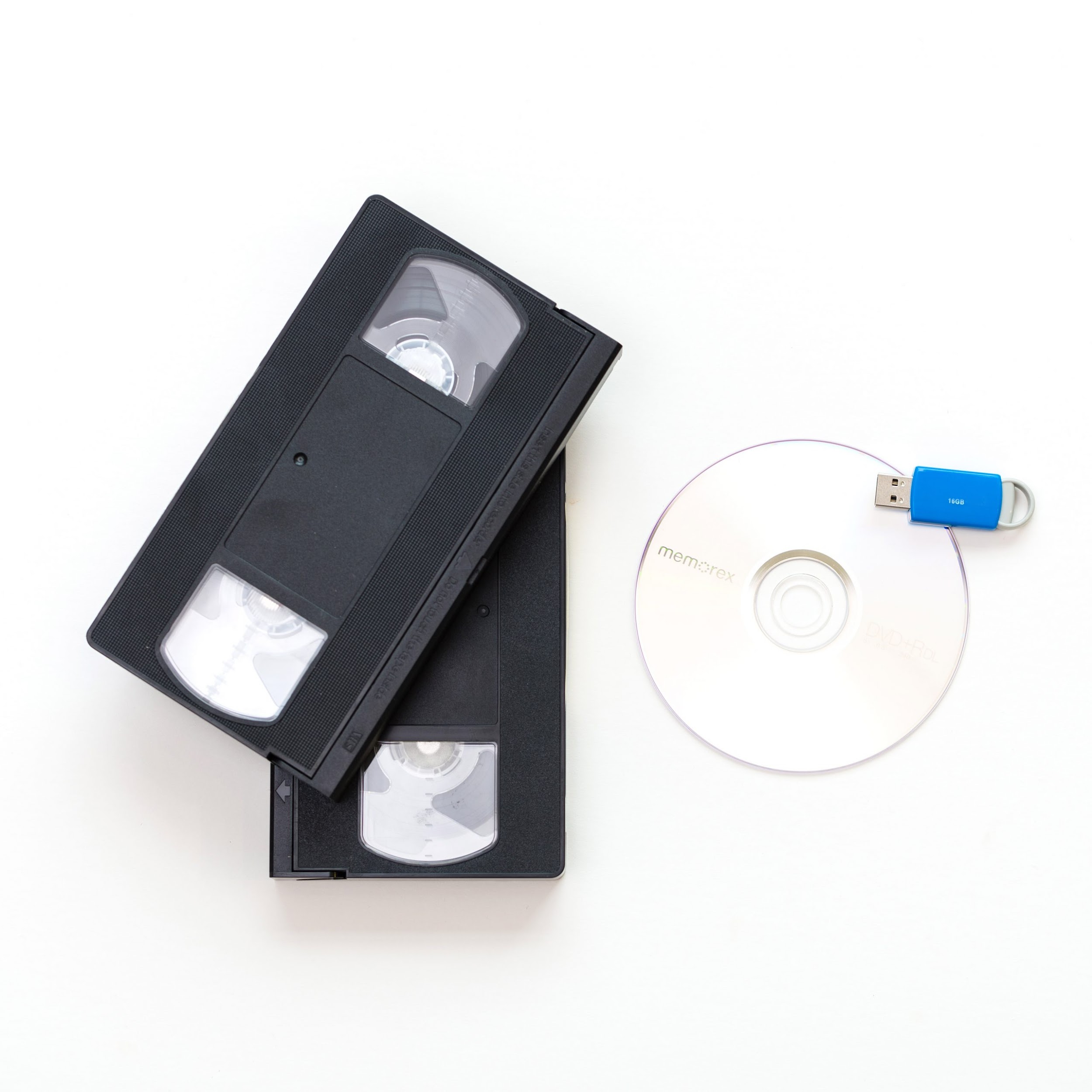
Nollywood has undergone a remarkable transformation in its distribution methods over the past few decades. From the humble beginnings of VHS tapes to the sophisticated world of digital streaming, the journey of Nollywood’s distribution reflects not only technological advancements but also the resilience and adaptability of its filmmakers and audiences.
The VHS Era (1980s – Early 2000s): Nollywood’s Grassroots Foundation
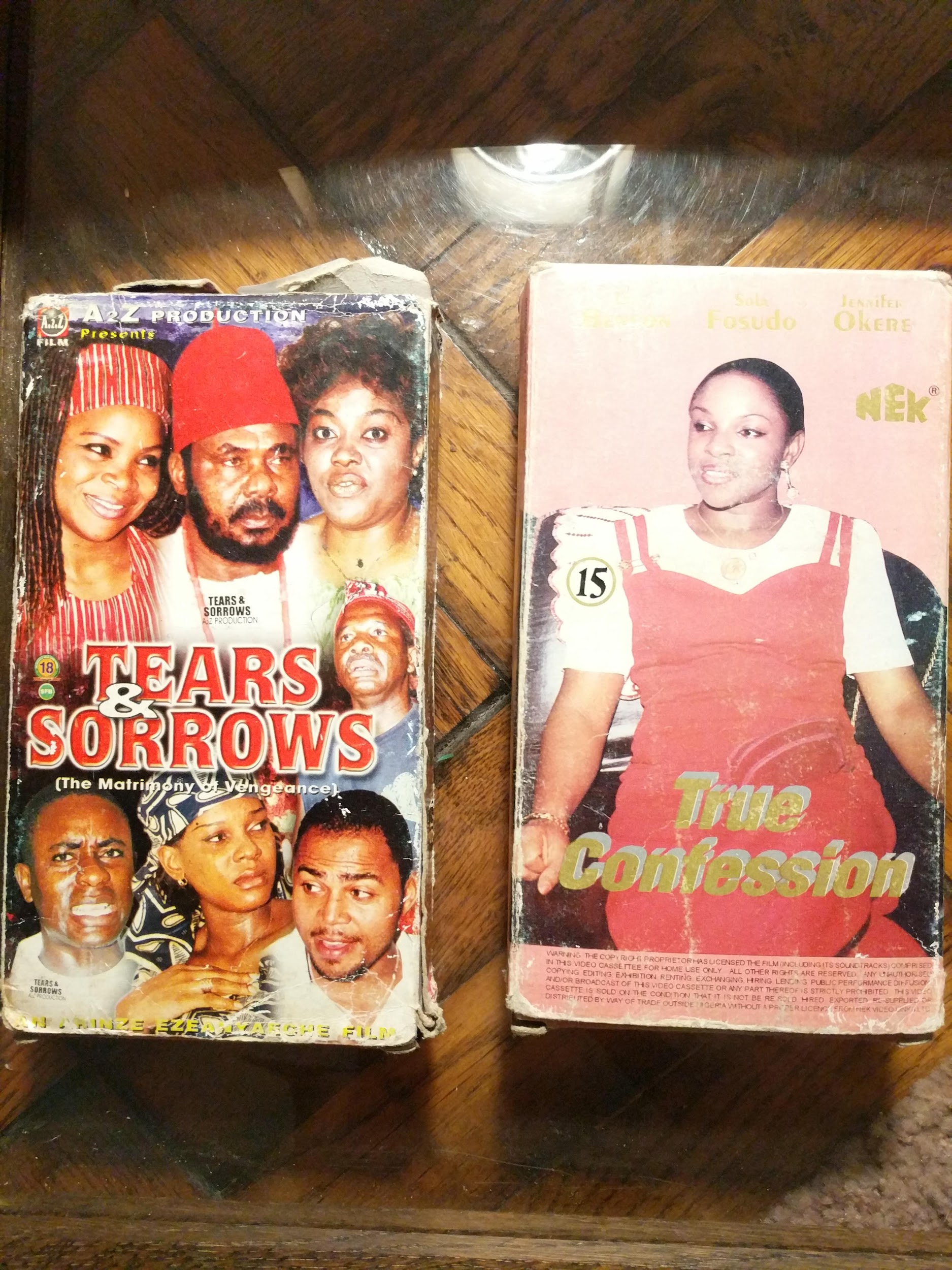
In the 1980s, Nollywood emerged as a formidable force in global cinema, primarily through the distribution of films on VHS tapes. This period marked the industry’s grassroots foundation, where storytelling was raw, authentic, and deeply rooted in Nigerian culture. The affordability and accessibility of VHS technology allowed filmmakers to produce and distribute content rapidly, catering to a growing appetite for local stories.
Jimi Odumosu’s Evil Encounter (1983) gained popularity through video sales, leading to a boom in home video productions. Another one of the seminal works of this era was “Living in Bondage” (1992), a film that not only captivated audiences but also set the precedent for the direct-to-video model that became synonymous with Nollywood. The success of this film demonstrated the viability of producing low-budget movies for mass consumption, bypassing traditional cinema releases.
The distribution network during this time was predominantly informal, with markets like Alaba and Idumota in Lagos becoming central hubs for the sale and rental of VHS tapes. These markets played a dual role, they were instrumental in disseminating Nollywood films across Nigeria and neighboring countries, but they also became hotspots for piracy. While piracy posed significant challenges to revenue generation, it paradoxically contributed to the widespread popularity of Nollywood films, as pirated copies reached audiences far beyond the filmmakers’ original intentions.
However, this era was not without its challenges. The lack of structured distribution channels meant that filmmakers had limited control over their content, leading to issues with quality control and inconsistent revenue streams. Despite these hurdles, the VHS era laid the groundwork for what would become one of the world’s most prolific film industries.
The Transition to VCD/DVD (Late 1990s – Mid 2010s): Mass Market Accessibility
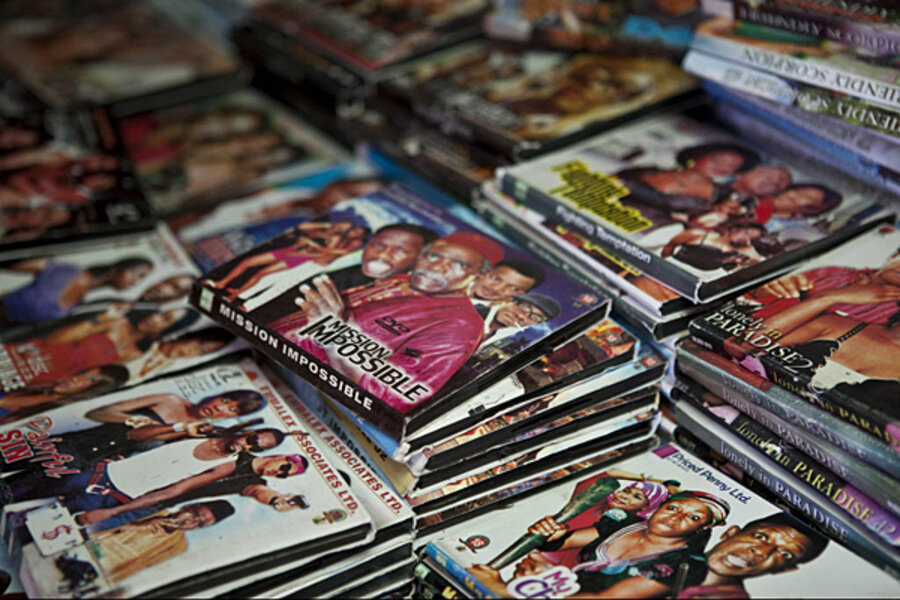
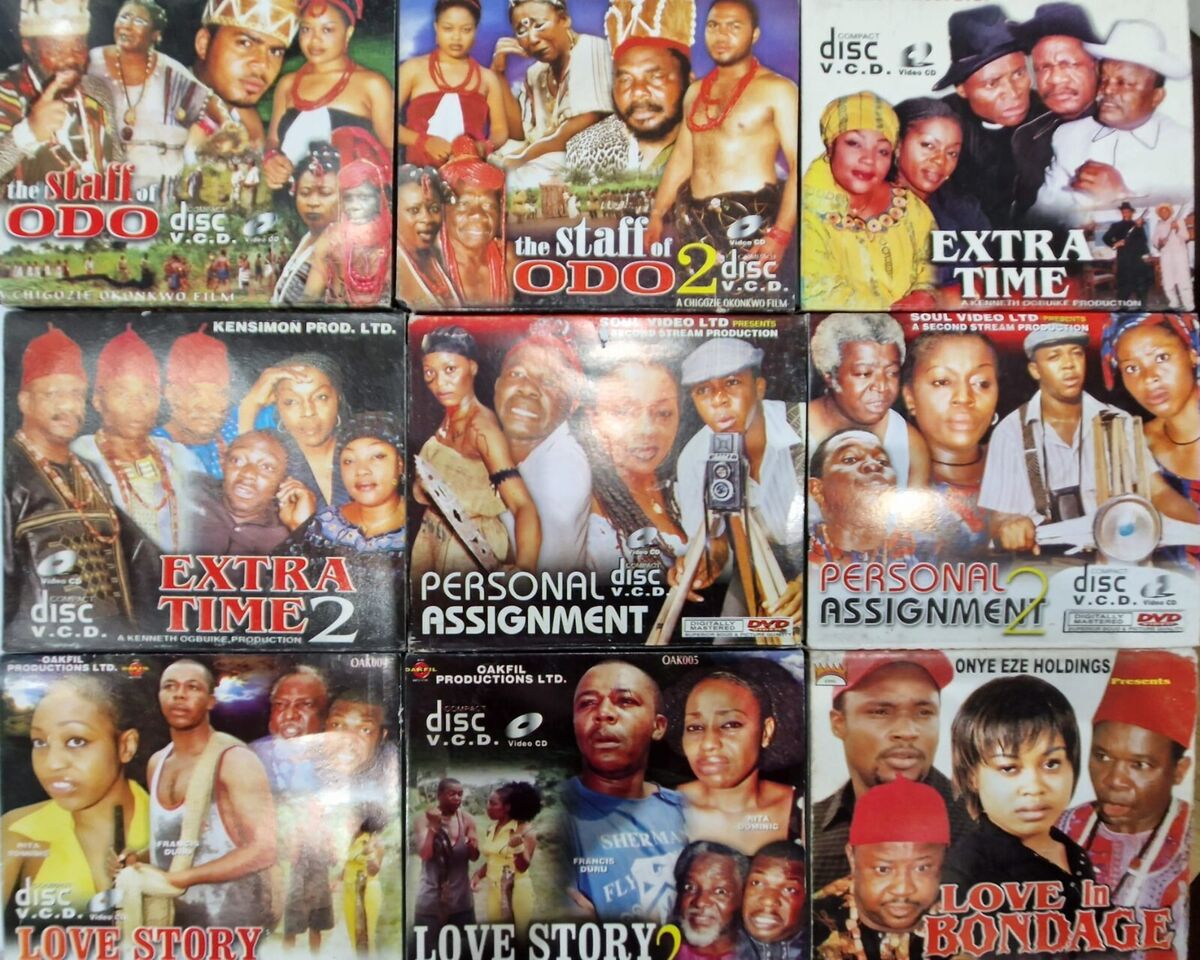
As technology evolved, so did Nollywood’s distribution methods. The late 1990s ushered in the era of Video Compact Discs (VCDs), followed by Digital Versatile Discs (DVDs). This transition was driven by several factors:
Improved Quality. VCDs and DVDs offered better video and audio quality compared to VHS tapes, enhancing the viewing experience for audiences.
Cost-Effectiveness. The production costs for VCDs and DVDs were relatively low, making it economically viable for filmmakers to produce and distribute their works on a larger scale.
Durability and Portability. Unlike VHS tapes, discs were more durable and easier to transport, facilitating wider distribution both domestically and internationally.
During this period, distribution networks became more organized. Major markets like Alaba and Idumota in Lagos solidified their roles as central distribution points, with merchants acting as intermediaries between producers and consumers. This semi-formal distribution system enabled Nollywood films to penetrate deeper into rural areas and reach the Nigerian diaspora abroad.
However, the proliferation of VCDs and DVDs also led to an increase in piracy. Unauthorized reproductions became rampant, significantly impacting the revenues of filmmakers and producers. Despite efforts to curb piracy, the lack of stringent intellectual property laws and enforcement mechanisms made it a persistent issue.
Notable filmmakers such as Tunde Kelani and Amaka Igwe rose to prominence during this era, producing culturally rich and socially relevant films that resonated with audiences. Their works not only entertained but also educated, reflecting the complexities of Nigerian society.
In summary, the transition to VCDs and DVDs marked a significant evolution in Nollywood’s distribution landscape. It democratized access to Nigerian films, allowing stories to reach a broader audience and solidifying Nollywood’s place in the global film industry. However, the challenges of piracy and informal distribution networks highlighted the need for more structured and secure methods of content dissemination.
The Cinema Resurgence (2000s – Present): The Era of Blockbusters
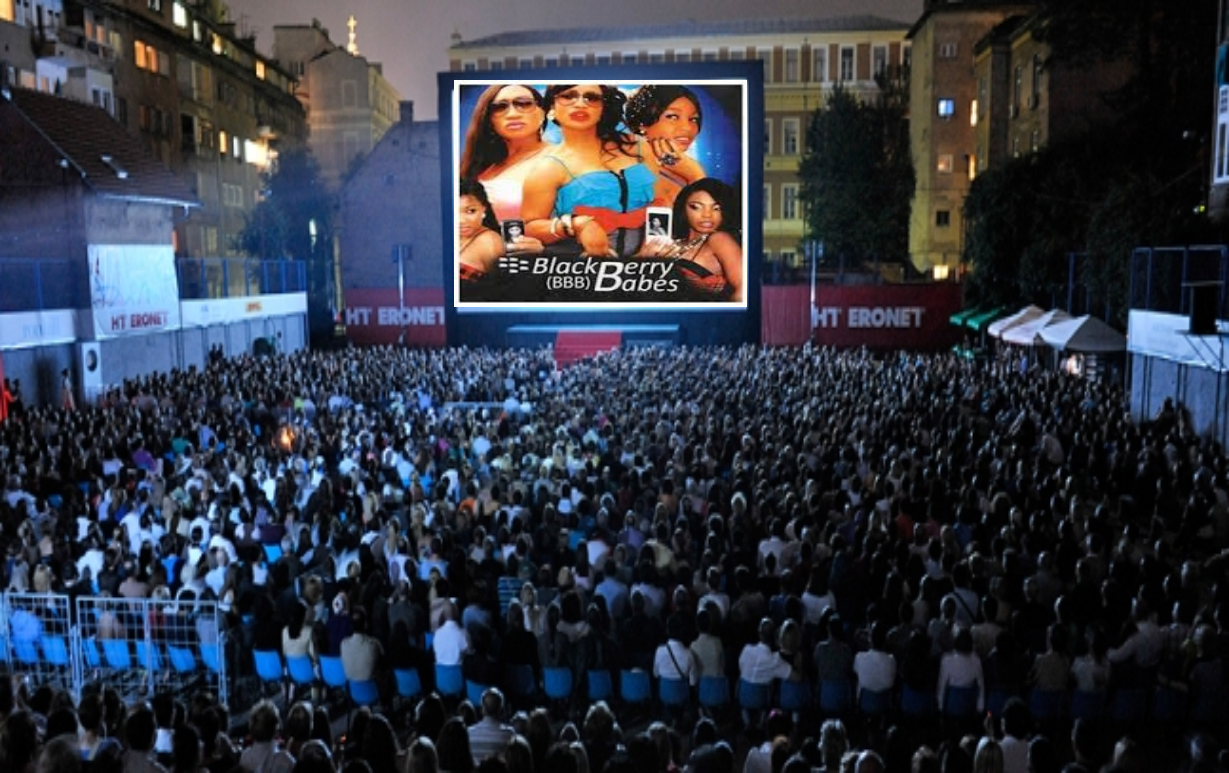
In the early 2000s, Nollywood began transitioning from home video formats to theatrical releases, marking a significant shift in its distribution strategy. This change aimed to enhance production quality, attract a broader audience, and elevate the industry’s global standing.
The Emergence of Modern Cinemas
In May, 2004, Silverbird Group inaugurated Nigeria’s first modern multiplex cinema, The Silverbird Galleria in Victoria Island, Lagos, introducing state-of-the-art viewing facilities to Nigerian audiences. This development spurred the establishment of other cinema chains, such as Genesis Deluxe Cinemas and Filmhouse Cinemas, expanding the country’s cinematic infrastructure. These venues provided filmmakers with platforms to showcase their work in high-quality settings, attracting audiences seeking premium viewing experiences.
Government Initiatives and Funding
Recognizing the potential of the film industry, the Nigerian government launched “Project Nollywood” on March 24, 2006, allocating ₦100 million (approximately US$781,000) to support filmmakers in producing high-quality films. This initiative aimed to improve production standards and encourage cinematic releases. Films like “Araromire” (The Figurine), released on October 1, 2009, enhanced production values and storytelling techniques.
The cinema resurgence led to several box office successes that demonstrated the profitability and appeal of theatrical releases. For instance, “The Wedding Party,” released on December 16, 2016, became one of Nigeria’s highest-grossing films, earning over ₦450 million. Its success underscored the viability of cinemas as a distribution channel and encouraged more filmmakers to consider theatrical releases.
Challenges and Piracy
Despite advancements, the industry continued to grapple with piracy. Unauthorized reproductions of films affected revenue streams, discouraging some filmmakers from pursuing cinema releases. Efforts to combat piracy included stricter enforcement of intellectual property laws and public awareness campaigns. However, the persistence of piracy highlighted the need for more secure distribution methods, paving the way for digital solutions.
The Streaming Revolution (2010s – Present): Nollywood Goes Global
The advent of digital streaming platforms revolutionized Nollywood’s distribution landscape, offering filmmakers direct access to global audiences and reducing reliance on traditional distribution channels.
On August 1, 2011, iROKOtv, often dubbed the “Netflix of Africa,” launched, providing a platform dedicated to African content. Founded by Jason Njoku, the platform addressed the growing demand for Nigerian movies among the diaspora and international audiences. By securing licensing agreements with numerous Nollywood producers, iROKOtv provided a vast library of films, making Nigerian cinema more accessible globally. This initiative not only curbed piracy but also ensured that filmmakers received due compensation for their work.
This was followed by Netflix’s entry into the Nigerian market on January 7, 2016, introducing Nollywood films to a global subscriber base. Netflix officially expanded as part of its global expansion to 130 new countries. Later, on February 26, 2020, Netflix launched Netflix Naija, signaling a stronger focus on Nollywood content.
Amazon Prime Video also recognized the potential of Nigerian cinema, expanding its African catalog in subsequent years.
Impact on Production and Distribution
The presence of these platforms led to increased investments in Nollywood productions, with streaming services commissioning original content and acquiring licensing rights. This shift allowed filmmakers to bypass traditional distribution challenges, such as limited cinema infrastructure and piracy, by offering content directly to consumers online. For example, Netflix acquired global rights to Genevieve Nnaji’s “Lionheart,” released on January 4, 2019, marking its first original film from Nigeria.
Challenges and Market Adjustments
However, the streaming boom faced hurdles. In January 2024, Prime Video announced a reduction in funding for African and Middle Eastern projects, refocusing efforts on European originals. This decision affected the commissioning of new Nigerian titles, signaling a need for the industry to adapt to changing investment landscapes.
Emergence of Local Platforms
In response to these challenges, local streaming services began to gain traction. For instance, on December 20, 2024, Circuits, a Nigerian virtual cinema streaming platform, launched, offering pay-per-view access to Nollywood titles. This development empowered Nigerian filmmakers to distribute content independently and maintain greater control over their works.
Global Recognition
The streaming era also facilitated international recognition of Nollywood films. “The Weekend,” directed by Daniel Oriahi, premiered at the Tribeca Film Festival on June 9, 2024, becoming the first Nigerian film to do so. It garnered 16 Africa Movie Academy Awards nominations, winning Best Film, Best Screenplay, and Best Cinematography in November 2024.
In summary, the evolution of Nollywood’s distribution, from VHS tapes to digital streaming, reflects the industry’s resilience and adaptability. Each phase brought unique challenges and opportunities, contributing to the rich tapestry of Nigerian cinema’s history.
Future Trends in Nollywood Distribution: Embracing Innovation and Collaboration
The evolution of Nollywood’s distribution methods reflects its adaptability and resilience. As the industry looks ahead, several trends are poised to shape its future.
Digital Platforms and Global Reach
The proliferation of digital platforms has opened new avenues for Nollywood filmmakers to distribute their work internationally. Streaming services enable content creators to reach audiences beyond geographical boundaries, increasing visibility and revenue potential. This global reach not only boosts the industry’s economic prospects but also enhances its cultural influence worldwide.
Cross-Border Collaborations
Collaborations between Nollywood and other film industries are on the rise, leading to co-productions that blend diverse storytelling techniques and appeal to broader audiences. These partnerships enhance production quality and open up new distribution channels, further solidifying Nollywood’s position in the global film landscape.
Technological Innovations
Advancements in technology, such as virtual reality (VR) and augmented reality (AR), present new storytelling opportunities for Nollywood. By integrating these technologies, filmmakers can offer immersive experiences, attracting tech-savvy audiences and setting new trends in cinematic storytelling.
Despite these advancements, challenges like piracy, funding limitations, and the need for capacity building persist. Addressing these issues requires a multifaceted approach, including strengthening intellectual property laws, securing investment, and providing training programs for industry professionals.
Nollywood’s distribution journey from VHS tapes to specialized streaming platforms demonstrates its dynamic nature and ability to adapt to changing landscapes. By embracing innovation and fostering collaborations, the industry is poised to continue its upward trajectory, sharing authentic African stories with the world.
Conclusion
Nollywood’s journey from VHS tapes to global streaming platforms is a testament to its resilience and adaptability. Each shift in distribution has shaped the industry, expanding its reach and influence far beyond Nigeria. While streaming now dominates, the core of Nollywood remains its compelling storytelling and deep cultural roots. Nollywood will keep finding new ways to connect with audiences, both at home and across the world.