
When you think of Nollywood, your mind probably jumps to dazzling actors, charismatic directors, or the vivid scenes that flood screens across Africa and the diaspora. But behind every compelling drama, every gripping thriller, and every heartfelt romance lies an often overlooked force, the scriptwriter. These unsung heroes are the true architects of Nollywood’s soul, crafting the narratives that have come to define not just a film industry, but a cultural phenomenon.
Since its explosive rise in the early 1990s, Nollywood has grown into the world’s second-largest film industry by volume, churning out over 2,500 films annually and captivating millions of viewers both locally and globally. Yet, while actors and producers often claim the spotlight, scriptwriters rarely receive the recognition they deserve. Their names are seldom household knowledge, their contributions quietly overshadowed by the glitz of final productions.
But the power of Nollywood script writers goes far beyond weaving stories for entertainment. They are cultural custodians, identity shapers, and social commentators, holding a mirror to Nigerian society while influencing norms and values. Their words ripple through the economy, drive the creative ecosystem, and project Nigeria’s image to the world in ways that few appreciate. This article dives deep into the untold power of Nollywood’s scriptwriters, revealing the profound impact they wield behind the scenes of one of the globe’s most dynamic cinematic landscapes.
Nollywood Scriptwriters
Nollywood’s meteoric rise is often credited to its vibrant actors and visionary directors, but at the core of this cinematic powerhouse lies the scriptwriter, the creative force shaping every story that reaches the screen.
These writers do more than just pen dialogues; they carry the weight of culture, social narratives, and industry realities. Let’s explore their crucial role, starting from the historical roots of Nigerian storytelling, moving through the creative and economic challenges they face, examining their social and political influence, and finally looking ahead to the future of scriptwriting in Nollywood’s evolving landscape.
Historical and Cultural Foundations of Nollywood Scriptwriting
To truly appreciate the power Nollywood script writers hold today, it’s essential to trace their roots deep into Nigeria’s rich storytelling traditions. Before the cameras rolled and scripts were typed, Nigerian narratives lived and breathed in the oral space, around firesides, in village squares, at festivals, and during communal gatherings. Oral traditions, folklore, and proverbs were not just entertainment; they were the very fabric of cultural transmission, education, and social cohesion.
Origins of Nigerian Storytelling Traditions
For centuries, Nigerians have passed wisdom and values from one generation to the next through stories. These tales, often involving trickster figures like Ijekodo or the clever Tortoise (Ijapa), carried layers of meaning, sometimes humorous, sometimes cautionary, but always deeply embedded in communal identity. Proverbs, in particular, were a key storytelling device, distilling complex social truths into pithy, memorable phrases.
This oral heritage laid the groundwork for Nollywood’s narrative style. When film scriptwriting first emerged in Nigeria, writers naturally drew upon these traditions. They understood that a story isn’t just about plot; it’s about moral lessons, cultural symbolism, and community voices. Transitioning from oral to written storytelling was not simply a matter of changing medium, it involved capturing the rhythms, idioms, and emotional cadences that had thrived for generations.
Early Nollywood Scriptwriting
The 1990s were a pivotal era for Nigerian cinema. The collapse of the formal film infrastructure and scarcity of funding led to a surge of home video films shot with modest budgets but tremendous creative energy. This period was the birth of what we now recognize as Nollywood. Scriptwriters played a critical role in this grassroots revolution, crafting stories that spoke directly to everyday Nigerian realities, family struggles, love and betrayal, tradition versus modernity, and the hustle of urban life.
Pioneers like Chico Ejiro, who was affectionately dubbed “Mr. Prolific,” brought a no-nonsense approach to storytelling, churning out films with fast-paced narratives and relatable characters that resonated with a broad audience. His scripts reflected street vernacular and the pulse of Lagos life, often eschewing elaborate plots for direct, emotionally charged storytelling.
Meanwhile, filmmakers like Tunde Kelani brought a different sensibility. Kelani’s scripts are deeply rooted in Yoruba culture and folklore, blending modern cinematic techniques with rich traditional narratives. He emphasized authenticity, integrating indigenous languages and cultural references with care, positioning scriptwriting as a form of cultural preservation as much as entertainment.
These contrasting approaches reveal early Nollywood scriptwriting’s versatility and its foundational role in shaping the industry’s identity.
The Role of Scriptwriters in Nollywood
The beating heart behind every film, the silent architects of story, dialogue, and cultural nuance, are the scriptwriters. Their role is not just to jot down scenes; it’s to build entire worlds, characters, and narratives that resonate deeply with Nigerian audiences and increasingly with global viewers.
Core Responsibilities: More Than Just Words on Paper
At the most fundamental level, Nollywood scriptwriters are tasked with story conception and development. This means they are often the first to breathe life into ideas that capture everyday Nigerian experiences, dreams, and conflicts.
Whether inspired by urban Lagos hustle or rural village traditions, scriptwriters take raw concepts, sometimes as abstract as a single theme or event, and transform them into coherent, compelling narratives. For instance, consider the 1992 breakthrough film Living in Bondage, written by Kenneth Nnebue in collaboration with Okechukwu Ogunjiofor. The story tapped into themes of greed, occult practices, and consequences, elements that reflected contemporary societal anxieties and later became staples in Nollywood storytelling.
Next comes dialogue writing and scene structuring, an area where Nollywood scriptwriters truly demonstrate their craft. The dialogue isn’t mere filler, it is the pulse of the film, dictating tone and pacing. Scriptwriters meticulously craft conversations that reflect the diverse linguistic realities of Nigeria, blending English, Pidgin, Yoruba, Igbo, or Hausa naturally into scenes.
Dialogue must feel authentic, capturing everything from street slang to formal speech, revealing class, region, and personality with precision. A well-written script could make a character’s frustration or humor leap off the screen, even if the budget or acting is modest.
Scene structuring demands equally rigorous skill. Nollywood films often operate under tight production schedules and budgets, so every scene must serve multiple functions, advancing plot, deepening character, and embedding cultural context.
Unlike Hollywood’s luxury of multiple script drafts and rewrites, Nollywood writers often work under pressure to deliver ready-to-shoot scripts quickly. This environment has birthed a distinctive narrative style characterized by directness, emotional intensity, and sometimes deliberate melodrama, but it’s a style perfectly calibrated to Nigerian audience expectations.
Finally, character development and cultural contextualization set Nollywood apart from many other global film industries. Scriptwriters here are not just storytellers but cultural custodians. Each character is woven with layers of social, religious, and ethnic identity, reflecting Nigeria’s rich mosaic. Writers often embed proverbs, folk wisdom, and traditional beliefs directly into character arcs, grounding stories in realities familiar to local audiences. Consider the nuanced portrayal of family elders in The Wedding Party (2016), where the script captures generational tensions around tradition and modernity, reflecting a Nigeria in flux.
Shaping Narrative Tone, Themes, and Style
Scriptwriters are the ultimate tone-setters of Nollywood films. The broad range of genres, from supernatural thrillers to romantic comedies, political dramas to family sagas, owes its diversity to scriptwriters’ imaginative leaps. For example, the supernatural thriller The Figurine (2009), penned by Kemi Adesoye, broke new ground with its atmospheric tension and complex moral themes, showing that Nollywood storytelling could be sophisticated and layered.
Themes in Nollywood scripts often reflect pressing societal issues: corruption, gender dynamics, religion, urbanization, and class struggles dominate narratives. The power of the script lies in how these themes are woven seamlessly into personal stories, making abstract problems tangible and relatable. Scriptwriters use character dilemmas and conflicts as mirrors of Nigeria’s collective experience.
Stylistically, many Nollywood scripts balance traditional storytelling with cinematic techniques that have evolved over time. Early Nollywood films were heavily dialogue-driven and theatrical, reflecting their direct-to-video roots in the 1990s. But contemporary writers integrate flashbacks, non-linear narratives, and symbolic motifs, evidence of the industry’s maturation and global influences.
Collaboration Dynamics: The Invisible Web of Creation
The journey from script to screen in Nollywood is deeply collaborative, yet complex. Scriptwriters often find themselves negotiating with producers who wield significant control over content due to their role in funding and distribution. This dynamic can limit creative freedom but also grounds scripts in market realities. Producers frequently demand scripts that can be shot quickly and appeal broadly, sometimes leading to compromises in narrative depth.
Directors, on the other hand, are the scriptwriters’ closest artistic partners. In Nollywood, it’s common for directors to double as scriptwriters or heavily rewrite scripts during production. This overlap can either sharpen the story or create tension.
Actors also influence the final narrative through their interpretation of dialogue and character. Experienced actors sometimes improvise or request script changes to better capture their roles, meaning scriptwriters must be flexible and adaptive.
In summary, Nollywood scriptwriters do far more than craft words on a page. They are cultural narrators, industry architects, and collaborators who shape the voice and identity of Nigerian cinema. Their work, often done behind the scenes, with little fanfare, anchors the stories that entertain millions and preserve the nation’s rich cultural fabric. To truly appreciate Nollywood, one must begin with the scriptwriters who hold the power of narrative in their hands.
Influence of Nigerian Culture and Languages
One of the most distinctive powers of Nollywood script writers lies in their ability to weave indigenous languages, customs, and cosmologies into their work, making films resonate authentically with Nigerian audiences. Unlike many film industries that prioritize global or Western norms, Nollywood scripts often reflect local realities without apology. From Yoruba to Igbo, Hausa to pidgin English, scriptwriters embrace linguistic diversity as a storytelling tool.
This cultural embedding goes beyond dialogue. It shapes character motivations, plotlines, and the moral fabric of stories. For example, the presence of juju (traditional spiritual forces), ancestral respect, and communal values are recurring themes that give Nollywood films a spiritual and philosophical depth. Scriptwriters become custodians of cultural memory, modernizing traditional stories to address contemporary issues without losing the essence of Nigeria’s multifaceted identity.
Moreover, scriptwriters’ work challenges homogenization by insisting on local specificity. In doing so, they preserve languages and customs that face erosion in a globalized world, keeping them alive through popular culture. This responsibility, sometimes conscious, sometimes instinctive, is a hallmark of Nollywood’s narrative power.
The Craft and Challenges of Nollywood Scriptwriting
Nollywood scriptwriting is far from a simple task of putting words on paper. It is a sophisticated, multi-layered creative discipline that demands mastery of storytelling craft, deep cultural understanding, and the ability to navigate complex industry pressures. To grasp the true power of Nollywood scriptwriters/screenwriters, we must first understand the intricacies of their craft and the obstacles they constantly face.
Scriptwriting as a Complex Creative Discipline
At its core, scriptwriting involves much more than creating dialogue or stringing scenes together. The craft encompasses critical elements like plot development, character arcs, pacing, and above all, cultural authenticity.
Plot development in Nollywood often reflects the lived experiences of Nigerians, from family dramas to political intrigues, capturing the socio-political realities unique to the country. For example, the recurrent theme of corruption, whether in government, business, or the justice system, features prominently in many scripts. Films like “October 1” (2014), written by Tunde Babalola, weave political tension into a compelling thriller set against the backdrop of Nigeria’s independence, showcasing how scriptwriters embed socio-political critique into entertainment.
Character arcs are another critical element. Nollywood scripts frequently focus on morally complex characters grappling with tradition and modernity. Take “The Wedding Party” (2016), scripted by Tosin Otudeko and Kemi Adetiba, where characters navigate love, family expectations, and societal pressures. The believable growth or downfall of characters is key to audience engagement, and skilled scriptwriters manage these arcs while maintaining cultural sensitivity.
Dialogue in Nollywood scripts deserves special mention. Unlike many Western scripts, Nollywood dialogue often incorporates pidgin English, indigenous languages, and colloquialisms to create authenticity. This linguistic realism grounds characters and scenes in identifiable social realities. Scriptwriters must carefully balance intelligibility for wider audiences with preserving cultural nuances.
Pacing is another challenge. Nollywood films typically run between 90 to 120 minutes, but many are shot on tight schedules. Scriptwriters often have to compress complex narratives into limited timeframes without losing emotional depth or clarity.
Above all, cultural authenticity is the backbone of Nollywood storytelling. Scriptwriters are custodians of tradition and social commentary, weaving in customs, beliefs, and norms that resonate deeply with Nigerian audiences. The inclusion of traditional practices, family structures, and religious beliefs is deliberate, preserving cultural identity through film.
Industry-Specific Constraints
Despite the rich creative potential, Nollywood scriptwriters face significant industry pressures that shape their work. One of the most persistent challenges is low budgets. Nollywood is famously known for its rapid production cycle and tight financial constraints. Scripts are often written quickly to meet production deadlines, sometimes in as little as a few days. This pressure can limit the depth of story development and script refinement.
Chico Ejiro, once known as Nollywood’s “Mr. Prolific,” reportedly directed and produced over 80 films a year, which meant his scripts were often fast-written, emphasizing quantity to satisfy market demand. While this approach enabled Nollywood’s growth, it also led to criticisms about script quality and formulaic storytelling.
Closely tied to budgets are tight deadlines and demand for quick turnarounds. Producers and distributors prioritize volume and speed to capitalize on the video/DVD and now streaming markets. As a result, scriptwriters juggle the tension between crafting nuanced narratives and delivering scripts rapidly enough to keep the production line moving.
Furthermore, scriptwriters must constantly balance commercial viability with artistic integrity. Nollywood audiences have diverse tastes, some favor escapist romance, others gritty social dramas. Scriptwriters are often asked to deliver what sells, which sometimes limits experimentation or deeper social critique. However, filmmakers like Kunle Afolayan and scriptwriters such as Biodun Stephen have pushed against these constraints, blending art and commerce to elevate Nigerian cinema internationally.
Gender Dynamics in Scriptwriting
Gender plays a significant role in Nollywood’s creative landscape. Historically, the industry, including scriptwriting, was male-dominated. However, over the past two decades, female scriptwriters have increasingly gained prominence, reshaping narratives and broadening perspectives.
Women like Kemi Adetiba, who started as a director and screenwriter, have influenced Nollywood’s portrayal of gender roles, relationships, and social issues. Her film “The Wedding Party” (2016), which she co-wrote, is often praised for its nuanced female characters and realistic depiction of Nigerian weddings and family dynamics.
Female scriptwriters bring essential perspectives on gender, motherhood, marriage, and women’s empowerment that male writers might overlook or simplify. They challenge stereotypes and add layers to female characters, shifting narratives from victimhood or caricature toward agency and complexity.
Moreover, gender dynamics influence industry access and recognition. Female scriptwriters often face barriers, ranging from fewer opportunities to gender bias, but many have thrived despite these challenges, gradually changing Nollywood’s storytelling landscape. Their influence extends beyond content, fostering inclusive environments for future generations of writers.
In sum, Nollywood scriptwriting is an intricate craft shaped by rich cultural traditions, industry realities, and evolving social dynamics. The scriptwriter’s role requires balancing artistry with commerce, honoring cultural authenticity while engaging diverse audiences, and navigating gendered spaces, all while delivering stories that resonate across Nigeria and the world.
Socio-Political Influence of Nollywood Scripts
Nollywood scriptwriters do far more than entertain; they wield their craft as a powerful tool to reflect, critique, and even reshape Nigerian society. Through their storytelling, they engage with the country’s complex socio-political realities, holding up a mirror to corruption, family dynamics, religious tensions, and gender politics while simultaneously molding public perceptions and debates.
The socio-political impact of Nollywood scripts extends not just within Nigeria’s borders but also across its global diaspora, influencing how Nigerians and Africans are seen and see themselves.
Scripts as Mirrors and Molders of Nigerian Society
Nollywood scripts have long been a canvas for social commentary. Writers embed critiques of pressing issues, political corruption, inequality, religious conflict, and evolving gender roles, often weaving them seamlessly into compelling narratives.
For instance, the film “October 1” (2014), scripted by Tunde Babalola, is set on the cusp of Nigeria’s independence and explores themes of colonial legacy, political tension, and ethnic rivalry. Beyond its thriller plot, the script provokes reflection on the costs of nationhood and unresolved societal fractures, sparking conversations about unity and justice.
Similarly, “Blood Sisters” (2022), written by South African filmmakers Craig Freimond, Zeli Zulu, and Adze Ugah, uses the thriller format to highlight issues of domestic abuse, corruption, and patriarchy. The series ignited public debate around women’s rights and societal complicity, showing how scriptwriters use storytelling to push social discourse forward.
Family and religion, pillars of Nigerian society, are also frequent focal points. Films like “The Wedding Party” (2016) reveal the tension between tradition and modernity, while “Living in Bondage” (1992), one of Nollywood’s earliest hits, explored the dark side of ambition and occult practices, reflecting anxieties about rapid social change and moral decay.
In embedding these themes, scriptwriters function not only as storytellers but as social commentators and, at times, activists whose narratives hold up society’s contradictions for collective reckoning.
The Power to Challenge Stereotypes
Nollywood scriptwriters have taken on the monumental task of challenging pervasive stereotypes, both those inherited from colonial-era portrayals and those perpetuated by Western media. For decades, Africa has been depicted through reductive lenses: poverty, conflict, exoticism, or primitiveness. Nollywood scripts confront and dismantle these narratives by telling stories grounded in authentic Nigerian experiences, complexities, and aspirations.
Films like “Half of a Yellow Sun” (2013), adapted from Chimamanda Ngozi Adichie’s novel and scripted by Biyi Bandele, presented a nuanced view of the Biafran War and Nigerian identity, countering simplistic “tribal conflict” tropes. Similarly, “The Figurine” (2009), written by Kemi Adesoye, blends supernatural folklore with modern life, portraying Nigeria as a land of mystery and depth rather than cliché.
Through these authentic portrayals, scriptwriters reclaim Nigerian identity and agency on the global stage. They insist on complexity, moral ambiguity, and cultural specificity, reshaping how Nigerian stories are understood worldwide. This reclamation is not just about representation but about control over narrative, scriptwriters become custodians of how Nigeria’s stories are told and received internationally.
Scripts and the Diaspora
Nollywood’s socio-political impact transcends Nigeria’s borders, deeply resonating with the Nigerian diaspora, estimated at over 17 million people worldwide. Scriptwriters craft stories that serve as cultural touchstones for diasporic communities, offering connection to homeland traditions, values, and contemporary issues.
Films and series that incorporate indigenous languages, cultural festivals, or common socio-political challenges often evoke a profound sense of nostalgia and identity reinforcement for Nigerians abroad. For example, the widespread popularity of Nollywood movies on streaming platforms like Netflix has allowed diaspora audiences to engage with narratives that reflect their heritage authentically.
Moreover, scripts addressing themes like migration, identity crises, and cross-cultural tensions resonate strongly with diasporic viewers. This cultural bridge-building fosters a shared sense of belonging and pride, reinforcing the notion that Nollywood scriptwriters are not just local storytellers but global cultural ambassadors.
In essence, Nollywood scriptwriters wield enormous socio-political power. They illuminate societal truths, challenge damaging narratives, and nurture cultural pride, shaping not only what Nigerians see in themselves but how the world sees Nigeria, and Africa more broadly.
Economic and Industry Impact
The economic and industry impact of Nollywood scriptwriters extends far beyond the creative process. These storytellers are fundamental drivers of the industry’s remarkable growth, fueling an unprecedented production pace while shaping Nigeria’s cultural influence worldwide. Their work not only powers the domestic film economy but also plays a critical role in attracting investment, fostering international collaborations, and expanding Nollywood’s reach on global platforms.
Let’s explore how scriptwriters contribute to the financial vitality and international prominence of Nollywood.
Scriptwriters: The Cornerstone of Nollywood’s Rapid Content Production
Nollywood’s meteoric rise as the world’s second-largest film industry by volume is intricately linked to its prolific content production, a feat largely attributed to the relentless efforts of scriptwriters. With an annual output exceeding 2,500 films, Nigeria’s film industry has become a global powerhouse, with scriptwriters at the helm of this creative surge.
The rapid production model necessitates a continuous influx of fresh narratives. Scriptwriters, often working under tight deadlines and modest budgets, are tasked with delivering compelling stories that resonate with diverse audiences. Their ability to craft engaging scripts swiftly has been pivotal in maintaining the industry’s prolific output.
Contribution to Exportable Nigerian Soft Power Through Storytelling
Beyond entertainment, Nollywood serves as a potent tool for cultural diplomacy. The narratives woven by Nigerian scriptwriters offer a window into the nation’s rich cultural tapestry, traditions, and societal dynamics. These stories, often infused with indigenous languages and local idioms, provide international audiences with authentic representations of Nigerian life. This cultural export not only fosters global understanding but also enhances Nigeria’s soft power on the world stage.
Role in Attracting Investors, International Co-Productions, and Distribution Deals
The compelling narratives crafted by Nollywood scriptwriters have attracted significant attention from international investors and production companies. For instance, the success of films like The Black Book and Gangs of Lagos has demonstrated the commercial viability of Nigerian stories on the global stage. These successes have paved the way for international co-productions and distribution deals, further integrating Nollywood into the global film industry.
Private equity firms, recognizing the potential of Nollywood, have begun investing in the sector. MBO Capital, for example, has developed a strategic playbook for investing in Nollywood’s global future, focusing on high-quality productions and international collaborations.
Enhancing Nollywood Films’ Appeal on Global Streaming Platforms
Well-crafted scripts are instrumental in elevating the appeal of Nollywood films on global streaming platforms like Netflix and Amazon Prime. The intricate storytelling and cultural depth embedded in these scripts resonate with international audiences, leading to increased viewership and global recognition. Films such as The Black Book, Gangs of Lagos, and Jagun Jagun have garnered millions of views worldwide, underscoring the universal appeal of Nigerian narratives.
The success of these films on international platforms has not only showcased the prowess of Nollywood scriptwriters but has also highlighted the potential for Nigerian stories to compete on a global scale. This recognition has led to increased investments and opportunities for Nigerian filmmakers in the international arena.
Source of Revenue
Nollywood is widely recognized as the world’s second-largest film industry by volume, producing over 2,500 films annually and generating an estimated $8.3 billion in revenue, according to the Nigerian Film Corporation and PwC reports. At the heart of this commercial behemoth lies the script, the blueprint that shapes marketable, audience-captivating films.
Quality scripts are directly linked to Nollywood’s box office hits, streaming successes, and international acclaim. For example, “Everybody loves Jenifa” (2024), co-written by Funke Akindele, broke box office records and demonstrated how a well-crafted script appealing to both local and diaspora audiences can translate into massive economic returns. Similarly, “Lionheart” (2018), written by Genevieve Nnaji, Chinny Onwugbenu, C. J. Obasi, Ishaya Bako, and Emil Garuba, garnered Netflix’s attention, marking Nollywood’s debut on the global streaming stage and opening revenue streams beyond traditional distribution.
Despite these successes, scriptwriters’ economic contributions remain largely undervalued. Their work forms the foundation upon which directors, producers, and actors build profitable projects. Yet, unlike their counterparts in Hollywood or Bollywood, Nollywood scriptwriters rarely receive commensurate credit or financial reward relative to the industry’s scale and revenues.
Challenges Faced by Nollywood Scriptwriters
While Nollywood’s rise has been spectacular, the scriptwriters behind its compelling stories often face significant challenges that remain under-discussed outside industry circles. Despite their critical role in the creative ecosystem, many scriptwriters grapple with systemic issues that undermine their craft, livelihoods, and professional growth. Let’s explore some of these challenges.
Issues of Credit and Recognition
One of the most persistent challenges Nollywood scriptwriters face is the chronic lack of proper credit and recognition. Unlike actors and directors, who frequently receive public acclaim and media spotlight, scriptwriters often work behind the scenes without adequate acknowledgment. Many writers recount experiences where their names are absent from film credits or overshadowed by bigger industry personalities. This invisibility not only diminishes their professional reputation but also limits opportunities for future projects and collaborations.
The imbalance can be traced to Nollywood’s industry structure, which tends to spotlight the ‘face’ of the film, actors and directors, while sidelining the crucial intellectual labor of scriptwriters. For example, it’s common to see a film’s marketing focus heavily on star actors, with little mention of the screenwriter who crafted the story. This dynamic affects not just ego or prestige, but also bargaining power, as recognition often correlates with negotiating better pay and contracts.
Low Pay and Lack of Standard Contracts or Royalties
Economic hardship is another harsh reality for many Nollywood scriptwriters. Despite the industry’s booming output, scriptwriters frequently receive low upfront fees that don’t reflect the hours, skill, and creativity invested in developing a film’s blueprint. According to industry insiders and reports, scriptwriters often earn a fraction of what directors or lead actors make, with some paid as little as ₦20,000 to ₦100,000 per script, even for feature-length films.
Some notable scriptwriters, like Kemi Adesoye, Tunde Babalola, Biodun Stephen, and Kemi Adetiba, have leveraged their rising profiles to negotiate better terms, but the average writer still contends with irregular pay and lack of benefits. This gap underscores a critical need for structural reforms that recognize scriptwriting as a professional craft deserving fair remuneration and legal protections.
Compounding this issue is the near absence of standardized contracts or royalties. Unlike Hollywood and other established film industries where writers may receive residual payments whenever a film is screened or sold internationally, Nollywood writers rarely benefit from such arrangements. The lack of royalties means that once a script is sold or handed over, the writer’s income stops regardless of the film’s success. This disparity discourages many talented writers from committing fully to the profession or investing in long-term career development.
Plagiarism and Script Theft
The prevalence of plagiarism and script theft is a damaging scourge in Nollywood’s creative community. Many scriptwriters recount stories of their original work being copied, altered, or produced without permission, with little recourse for justice. The weak enforcement of intellectual property (IP) laws in Nigeria exacerbates this problem, making it difficult for writers to protect their scripts legally.
In some cases, producers or other intermediaries take credit for scripts or modify them heavily without consulting the original writers, further muddying authorship. This not only erodes trust within the industry but also stifles creativity, as writers may hesitate to share original ideas for fear of exploitation. Despite efforts by organizations like the Nigerian Copyright Commission, enforcement remains inconsistent, and scriptwriters often rely on informal networks or personal influence to defend their work.
Limited Access to Formal Training and Script Development Resources
Unlike actors or directors, who have increasing access to workshops, film schools, and mentorship programs, Nollywood scriptwriters face limited formal training opportunities. While Nigeria boasts some film schools, such as the Ebonylife Creative Academy and PEFTI Film Institute, dedicated and specialized training focused on screenwriting remains sparse.
This lack of structured education and professional development resources impacts the overall quality of scripts and hinders writers from mastering advanced techniques in storytelling, character development, and dialogue. Many scriptwriters learn on the job, through trial and error, or rely on informal peer networks. This gap in training affects Nollywood’s capacity to evolve its storytelling sophistication and compete with international standards.
Impact of Rapid Production Schedules on Quality and Creativity
Nollywood’s hallmark is its rapid production model, with films often written, shot, and released in weeks rather than months or years. While this approach enables high volume output, it also places intense pressure on scriptwriters to deliver scripts quickly, sometimes sacrificing depth and creativity for speed.
The compressed timelines often mean that writers have limited opportunity for thorough research, multiple drafts, or collaborative development with directors and producers. This environment can lead to formulaic stories, underdeveloped characters, and inconsistent narratives, issues frequently cited by critics and discerning audiences.
Moreover, the pressure to meet tight deadlines means many writers juggle multiple projects simultaneously, increasing burnout and reducing overall script quality. Despite these challenges, many Nollywood scriptwriters continue to produce engaging stories, often innovating within constraints, but the systemic pressure undoubtedly curtails the full potential of their creative expression.
In summary, Nollywood scriptwriters face an uphill battle marked by lack of recognition, inadequate pay, intellectual property vulnerabilities, limited training, and the demands of a rapid production environment. Addressing these challenges is essential not only for the wellbeing of the writers but for the sustained growth and artistic evolution of Nollywood itself.
Notable Nollywood Scriptwriters and Their Contributions
From gripping dramas and thrilling mysteries to sharp comedies and supernatural tales, Nollywood’s scriptwriters have been instrumental in evolving the industry’s storytelling sophistication. Let’s highlight seven of the most notable scriptwriters whose work has significantly influenced Nollywood’s narrative landscape, showcasing their key films, unique styles, and contributions to the diversity and depth of Nigerian cinema.
1. Tunde Babalola

Notable Works:
- October 1 (2014) – Directed by Kunle Afolayan
- Citation (2020) – Directed by Kunle Afolayan
- Funmilayo Ransome-Kuti (2023) – Biopic
- House of Ga’a (2024)
Contributions:
Tunde Babalola is one of the foremost screenwriters who brought historical narratives to the forefront of Nollywood cinema. October 1 remains a landmark psychological thriller/historical drama set in pre-independence Nigeria, combining suspense with deep socio-political commentary. Babalola’s writing sharply balances cultural nuance with universal storytelling, elevating Nollywood’s narrative sophistication.
His screenplay for Citation tackled sexual harassment on university campuses, an important contemporary social issue, while still engaging audiences with strong character arcs. This work demonstrated Nollywood’s increasing willingness to confront difficult topics with nuance.
With Funmilayo Ransome-Kuti (2023), Babalola further cemented his ability to write rich, biographical narratives rooted deeply in Nigerian history, blending fact and dramatic storytelling.
Impact on Storytelling Style:
Babalola’s scripts brought literary depth and layered historical consciousness, pushing Nollywood beyond formulaic plots into more complex narrative structures. His style favors psychological realism and strong female protagonists, which helped redefine Nollywood’s approach to history and social drama.
Genre Diversity:
Primarily known for drama and thriller, Babalola’s work also intersects with historical biopics and social commentary, helping Nollywood explore these genres with more gravitas.
2. Cheta Chukwu

Notable Works:
- The Uprising: Wives on Strike 3 (2024)
- Strawberry Chinny (2024)
- Payday (2018)
Contributions:
Cheta Chukwu has carved out a reputation for creating stories that engage the middle class and youth demographic with sharp dialogue and emotionally rich plots. His Wives on Strike series is notable for blending comedy with feminist undertones, capturing societal gender dynamics with nuance and humor.
His inclusion in international programs like the Torino Film Lab’s Extended Writer-Director Program indicates his rising global profile and the international appeal of his storytelling.
Impact on Storytelling Style:
Chukwu’s scripts combine socio-political themes with humor, promoting a more layered and self-aware Nollywood storytelling style. He moves away from melodrama towards more naturalistic dialogue and character development.
Genre Diversity:
Primarily drama and comedy, but with clear socio-political engagement, especially around gender relations and family dynamics.
3. Jack’enneth Opukeme

Notable Works:
- Farmer’s Bride (2024)
- Adire (2019)
- Battle on Buka Street (2022)
Contributions:
Opukeme’s writing is deeply rooted in cultural authenticity and regional storytelling, often spotlighting lesser-known Nigerian customs and landscapes. Battle on Buka Street became one of Nollywood’s highest-grossing films, thanks largely to its engaging script that mixes comedy with local market life drama.
Farmer’s Bride, which he co-directed, is another example of culturally grounded storytelling, highlighting rural life and traditions rarely explored in mainstream Nollywood.
Impact on Storytelling Style:
He pushes Nollywood to explore regional stories with depth and respect for culture, moving beyond the urban-centric narratives dominating the industry. His dialogue is rich in local dialects, enhancing authenticity.
Genre Diversity:
Drama, romantic comedy, and cultural narratives, with a focus on everyday Nigerian life and community dynamics.
4. Korede Azeez
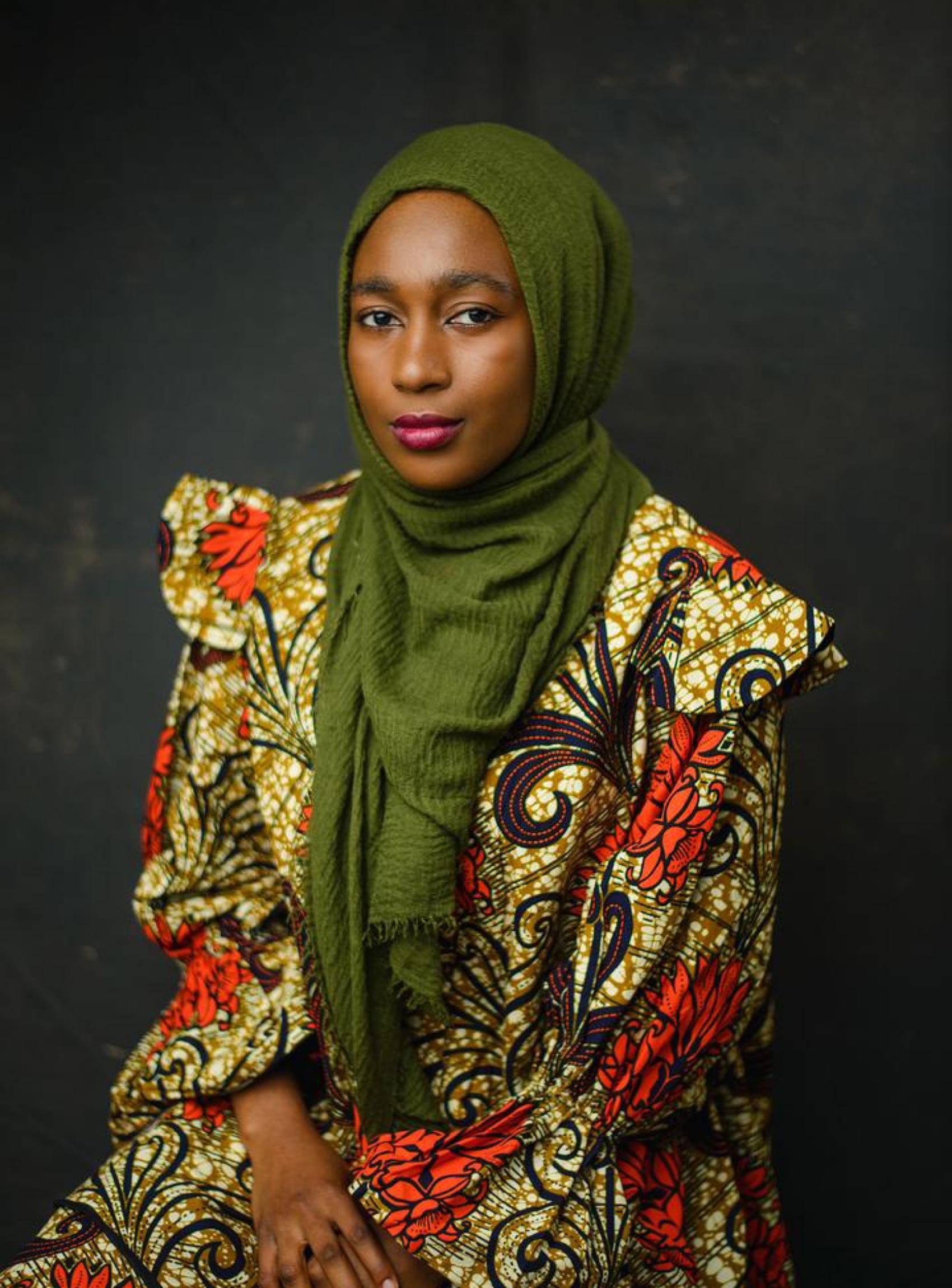
Notable Works:
- With Difficulty Comes Ease (2024)
- Halima’s Choice (2023)
- Reimagined (2023)
Contributions:
Azeez specializes in emotionally charged stories rooted in Northern Nigerian culture, often highlighting women’s struggles and societal expectations. With Difficulty Comes Ease, a story about widowhood and resilience, received critical acclaim for its empathetic portrayal and cultural insight.
Her focus on Northern Nigeria introduces diversity in Nollywood storytelling that has historically been Lagos-centric or South-centric.
Impact on Storytelling Style:
Azeez brings regional authenticity, emotional depth, and cultural sensitivity, helping Nollywood broaden its geographical and thematic representation.
In 2022, Korede Azeez was one of six winners of the Netflix-UNESCO African Folktales Reimagined competition, a groundbreaking initiative that aimed to find some of the continent’s breakout filmmakers.
Genre Diversity:
Drama, women-centered stories, and culturally rich narratives with an emphasis on emotional and societal issues.
5. Jadesola “Jade” Osiberu
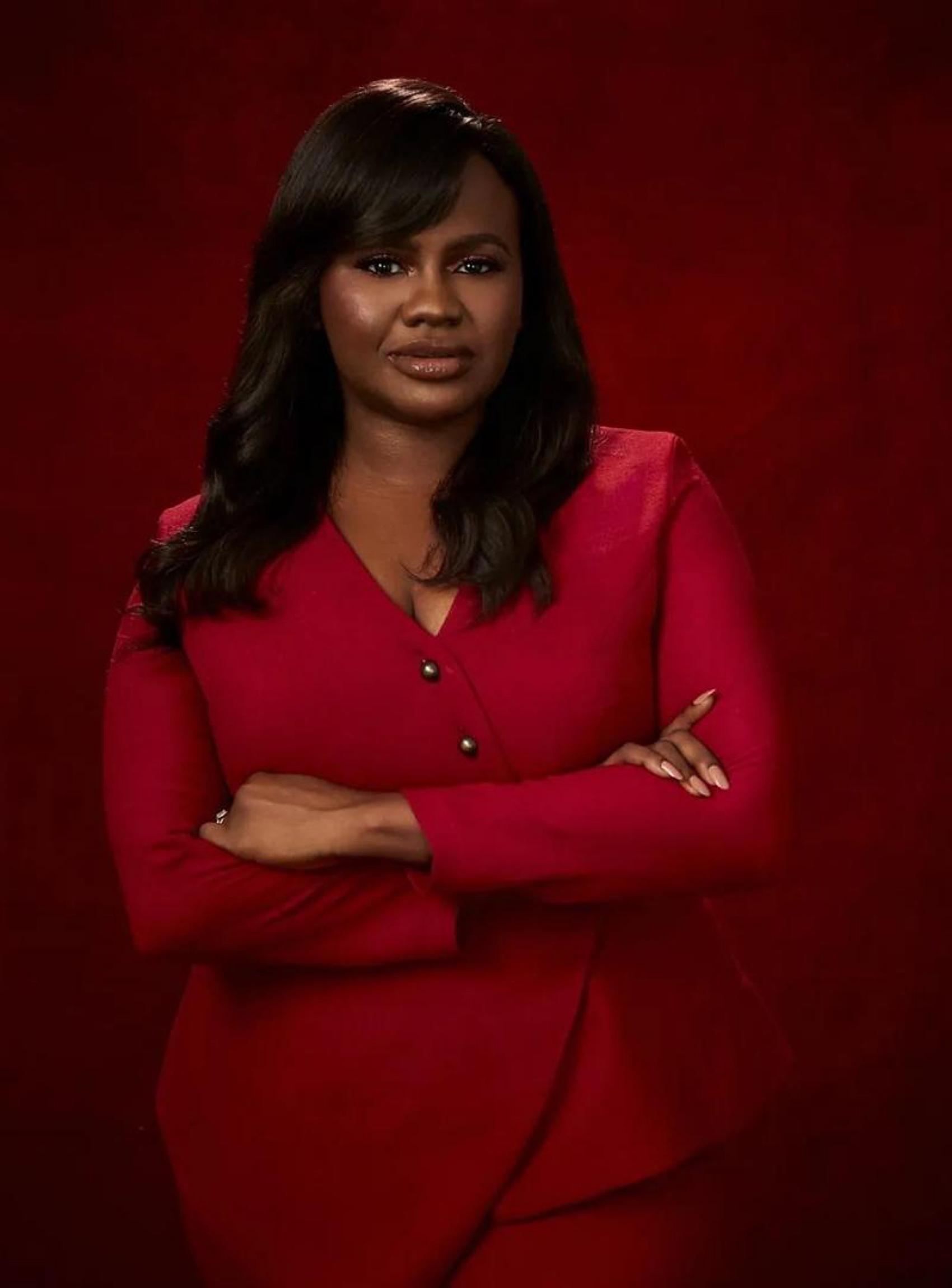
Isoken (2017) — A romantic comedy-drama exploring societal expectations and personal choices.
Sugar Rush (2019) — A crime-comedy about three sisters caught in a money-laundering scheme.
Gangs of Lagos (2023) — A crime drama and Amazon Prime Video’s first African Original film, depicting gritty life in Lagos.
Christmas in Lagos (2024) — A festive romantic comedy-drama set during Christmas in Lagos.
Contributions to Nollywood Storytelling:
Jade Osiberu is known for blending contemporary Nigerian narratives with cultural nuances, addressing issues like love, tradition, and societal pressures. She brings modern stories to life with authenticity and emotional depth, elevating Nollywood’s global appeal through digital streaming platforms.
Her work spans romantic comedy, crime drama, and festive stories, broadening Nollywood’s genre range and exposing diverse narratives to wider audiences.
6. Biodun Stephen
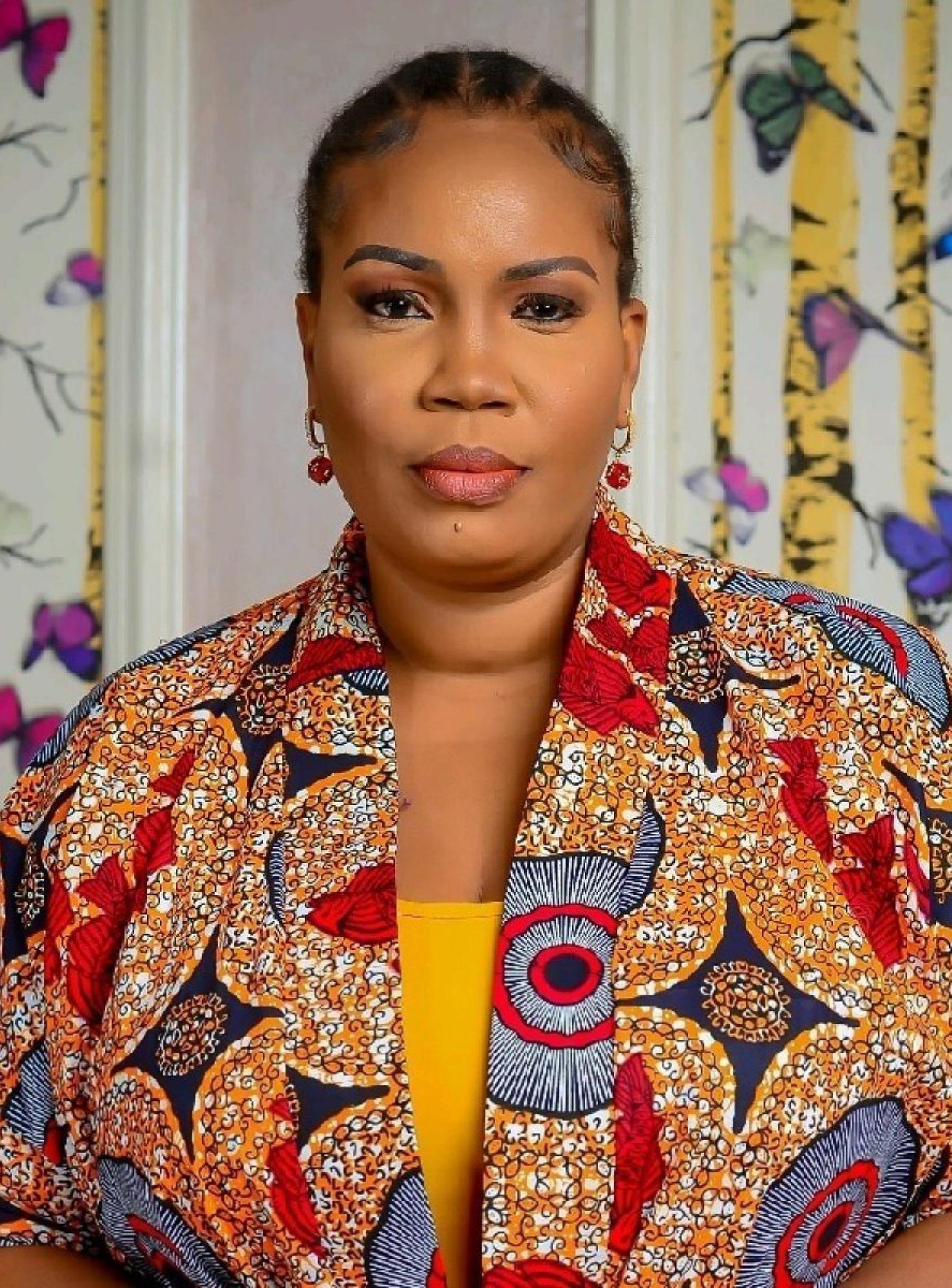
Tiwa’s Baggage (2017) — A romantic drama about personal growth and relationships.
Ovy’s Voice (2017) — Follows a young woman’s journey to self-discovery.
Sobi’s Mystic (2017) — A romantic drama exploring love, secrets, and transformation.
Breaded Life (2020) — A comedy-drama about a privileged young man learning life lessons.
Contributions to Nollywood Storytelling:
Biodun Stephen is praised for emotionally rich narratives that explore personal and relational challenges with nuance and sensitivity. Her films emphasize character growth and relatable storytelling, making romantic drama and comedy more resonant for audiences.
Impact on Genre Diversity:
She has contributed significantly to Nollywood’s romantic and comedic genres, offering a fresh, heartfelt perspective that adds emotional depth and variety to the industry’s filmography.
7. Kemi Adetiba

The Wedding Party (2016) — A romantic comedy that became one of Nollywood’s highest-grossing films.
King of Boys (2018) — A political crime thriller exploring power, loyalty, and ambition.
King of Boys: The Return of the King (2021) — The sequel continuing the political saga.
Across a Bloodied Ocean (2008) — A short film dealing with love and loss.
Contributions to Nollywood Storytelling:
Kemi Adetiba is renowned for strong storytelling with layered characters, combining humor and romance in The Wedding Party, and intense political drama in King of Boys. She brought a darker, more sophisticated tone to Nollywood, raising production and narrative standards.
Impact on Genre Diversity:
Her ability to switch seamlessly between romantic comedy and political thriller has expanded Nollywood’s narrative scope, appealing to broad demographics and inspiring more complex storylines.
These script writers shifted Nollywood from formulaic, melodramatic plots to complex narratives with layered characters, nuanced dialogue, and cultural authenticity. They expanded genre boundaries, thrillers (October 1, Sanitation Day), biopics (Funmilayo Ransome-Kuti), cross-cultural romances (Namaste Wahala), and web series (Skinny Girl in Transit).
They introduced socio-political themes and tackled contemporary Nigerian issues such as sexual harassment, cybercrime, gender dynamics, and urban vs. rural life. They emphasized regional diversity, bringing Northern, rural, and pan-African perspectives to the forefront.
Their works have also been vital in Nollywood’s global reach, with many released on international platforms like Netflix and participating in global film labs.
The Future of Nollywood Scriptwriting
The Nollywood film industry has grown exponentially over the last two decades, not only in volume but in quality and global reach. Central to this evolution is the craft of scriptwriting, which now stands at the cusp of profound transformation, signaling a promising future for writers in this vibrant industry.
Growing Awareness and Professionalization
For years, scriptwriting in Nollywood was often undervalued, with writers receiving minimal recognition and compensation. However, there is a growing awareness within the industry and among stakeholders about the critical role scriptwriters play in defining Nollywood’s artistic and commercial success. Organizations such as the Nigerian Writers’ Guild and the Screenwriters Guild of Nigeria (SWGN) have intensified efforts to professionalize the craft. These bodies actively lobby for fair contracts, better crediting practices, and recognition of scriptwriting as a profession integral to filmmaking.
Moreover, film production houses and top Nollywood directors are increasingly investing in original scripts rather than relying on formulaic storytelling, which opens more opportunities for talented writers to create nuanced, culturally rich narratives.
Role of Film Schools, Workshops, and Online Platforms
The future of scriptwriting is also being shaped by improved access to education and training. Nigerian film schools like the Pefti Film Institute, and KAP Film & Television Academy offer courses specifically focused on screenwriting, combining both theoretical and practical learning.
Additionally, online platforms such as Udemy, MasterClass, and ScreenCraft now provide Nigerian writers access to global best practices and mentorship from industry veterans worldwide.
Impact of Digital Tools and Technology
Digital technology is revolutionizing how scripts are developed and shared in Nollywood. Software like Final Draft, Celtx, and WriterDuet are becoming commonplace among Nigerian screenwriters, enabling them to format scripts professionally and collaborate remotely with directors and producers.
Moreover, the rise of social media and online communities provides writers with instant feedback, peer reviews, and networking opportunities, which were limited in the past. This connectivity accelerates the refinement of scripts and promotes experimentation with storytelling techniques.
Advances in AI and machine learning also hold potential to assist writers in idea generation, plot structuring, and even dialogue polishing, although these tools are yet to be fully integrated into the Nigerian filmmaking ecosystem.
Increasing Collaboration with International Writers and Producers
As Nollywood’s international profile rises, cross-border collaborations are becoming more common. Nigerian scriptwriters now frequently work alongside writers from the UK, US, and other African countries on co-productions and streaming projects. Examples include Netflix’s King of Boys: The Return of the King (2021), which featured a multinational production team.
These collaborations expose Nigerian writers to different storytelling traditions, technical standards, and production values, broadening their creative horizons and pushing Nollywood toward global competitiveness.
Furthermore, partnerships with international streaming platforms such as Netflix, Amazon Prime, and Showmax provide Nigerian writers with a wider audience and the financial resources needed to undertake ambitious projects.
Prospects for Better Intellectual Property Protections and Remuneration
One of the most pressing issues for Nollywood scriptwriters has been inadequate intellectual property (IP) protections, leading to rampant piracy and unauthorized script use. However, recent legislative developments and increased industry advocacy are paving the way for stronger IP enforcement in Nigeria.
The Nigerian Copyright Commission (NCC) and other regulatory bodies are implementing stricter anti-piracy measures and raising awareness about the importance of copyright registration. These efforts aim to ensure writers receive fair royalties and residuals, encouraging more investment in original content creation.
Moreover, with the rise of subscription-based streaming platforms, writers stand to gain from better royalty models and contractual arrangements that reward them for their creative contributions over time, rather than one-off payments.
The future of Nollywood scriptwriting looks bright, buoyed by a combination of increased professional recognition, improved training opportunities, technological advancement, global collaborations, and strengthened IP protections. As Nigerian storytellers continue to refine their craft and leverage new platforms, Nollywood is set to produce more compelling, diverse, and globally resonant stories, anchored by the creativity and expertise of its scriptwriters.
Conclusion
The power of Nollywood scriptwriters is a story often left untold, yet it is their words and imagination that breathe life into the films that captivate millions. Behind every memorable character, every gripping plot twist, and every cultural nuance lies a writer’s vision, shaping not just stories, but the very soul of Nigerian cinema.
As Nollywood continues to grow and gain global recognition, it’s time we acknowledge and celebrate these creative forces. They are the unsung architects of our favorite movies, the quiet powerhouses fueling an industry that entertains, educates, and connects people across the world. Honoring and investing in Nollywood script writers isn’t just about giving credit where it’s due, it’s about ensuring the future of authentic, compelling storytelling for generations to come.