
Love is at the heart of every great story, and Nollywood has given us some of the most unforgettable love stories on screen. Whether it’s the classic tale of two souls fighting against the odds, forbidden love that defies tradition, or the kind of romance that makes you believe in second chances, Nollywood has done it all. These films have shaped how we see love, sometimes making us swoon, sometimes breaking our hearts, and other times leaving us with lessons that linger long after the credits roll.
But what exactly makes a love story memorable? Is it the chemistry between the actors, the emotional depth of the script, or the way the story mirrors our own experiences? Maybe it’s a mix of all three. From timeless classics to modern hits, Nollywood has given us romance in its purest and most dramatic form.
Let’s take a deep dive into some of the most memorable love stories in Nollywood, the ones that made us laugh, cry, and believe in love all over again.
12 Most Memorable Love Stories in Nollywood History
Love has always been at the heart of Nollywood, bringing us stories that are passionate, heartbreaking, and unforgettable. Some explore love against all odds, while others dive into heartbreak, sacrifice, or second chances. These films don’t just entertain, they stay with us, shaping our idea of romance.
From timeless classics to modern gems, Nollywood has given us love stories that still spark emotions and conversations. Let’s take a look at some of the most memorable ones that have defined an era and left a lasting impact.
O Le Ku (1997)
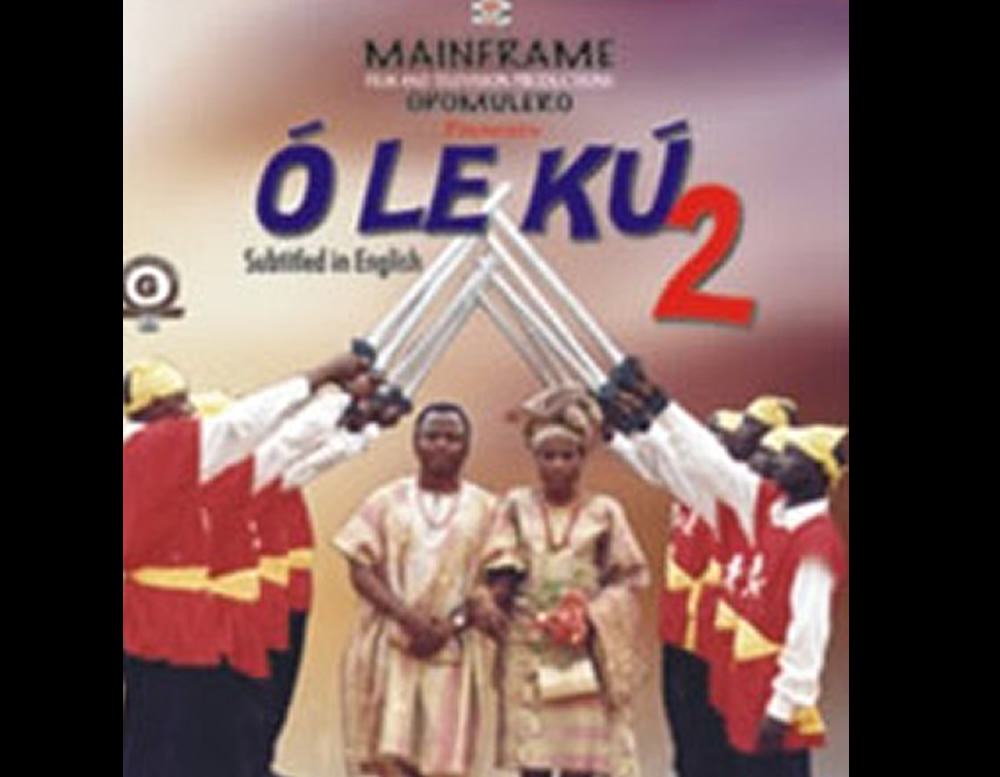
“O Le Ku” is one of Nollywood’s most iconic love stories, a film that beautifully captures the complexities of romance, tradition, and youthful passion. Based on Professor Akinwunmi Isola’s novel of the same name, the movie, directed and produced by Tunde Kelani, remains a timeless classic in Yoruba cinema. It was released in 1997 by Mainframe Film and Television Productions. This movie was made in two parts, the film transports audiences to the 1970s, where the weight of cultural expectations clashes with the desires of the heart.
At the center of the story is Ajani (Yemi Shodimu), a final-year university student whose life takes a complicated turn when his mother pressures him to find a wife. What seems like a straightforward task soon spirals into emotional turmoil as Ajani finds himself torn between three women, each representing a different path he could take. There’s Asake, his longtime girlfriend, a young teacher whose love for him is undeniable. But their relationship is tested not only by personal struggles but also by disapproval from Asake’s father, who doesn’t believe Ajani is the right match for his daughter. Despite this, their bond is strong, and when Asake becomes pregnant, their future together appears inevitable.
Then there’s Lola, a fresh-faced university student who catches Ajani’s eye. She is different, exciting, and represents the possibility of something new. Their chemistry is undeniable, but everything changes when she learns about Asake’s pregnancy, forcing her to reconsider whether she wants to be part of Ajani’s complicated world. As if things weren’t already complicated enough, Sade enters the picture. She’s another familiar face from Ajani’s past, someone who understands him in a way the others don’t. Her presence only adds to the entanglement of emotions that pull Ajani in different directions, leaving him struggling to figure out what, and who, he truly wants.
Set against the backdrop of Yoruba culture, “O Le Ku” isn’t just about romance; it’s about the battle between personal choices and societal expectations. Love is never simple, and Ajani’s journey reflects the reality of many young people caught between duty and desire. The film doesn’t offer easy answers, and perhaps that’s why it remains such a powerful story. The relationships, the emotions, the cultural expectations, it all feels so real, so deeply relatable, even years after its release.
Beyond its storyline, the film left a lasting impact, not just in Nollywood but in Nigerian pop culture. The fashion inspired by the film, particularly the “Oleku” style of short aso-oke Iro and Buba, became a trend that still resurfaces today.
What makes O Le Ku so memorable is its authenticity. It reflects real-life love dilemmas, where emotions clash with tradition, and choices are never easy. The setting, capturing the rich culture of Yoruba land, alongside the film’s engaging dialogue and stellar performances, cements its place as one of Nollywood’s greatest love stories.
Even decades after its release, O Le Ku remains a cultural reference, reminding audiences that love, no matter how passionate, is often intertwined with difficult decisions.
Isoken (2017)
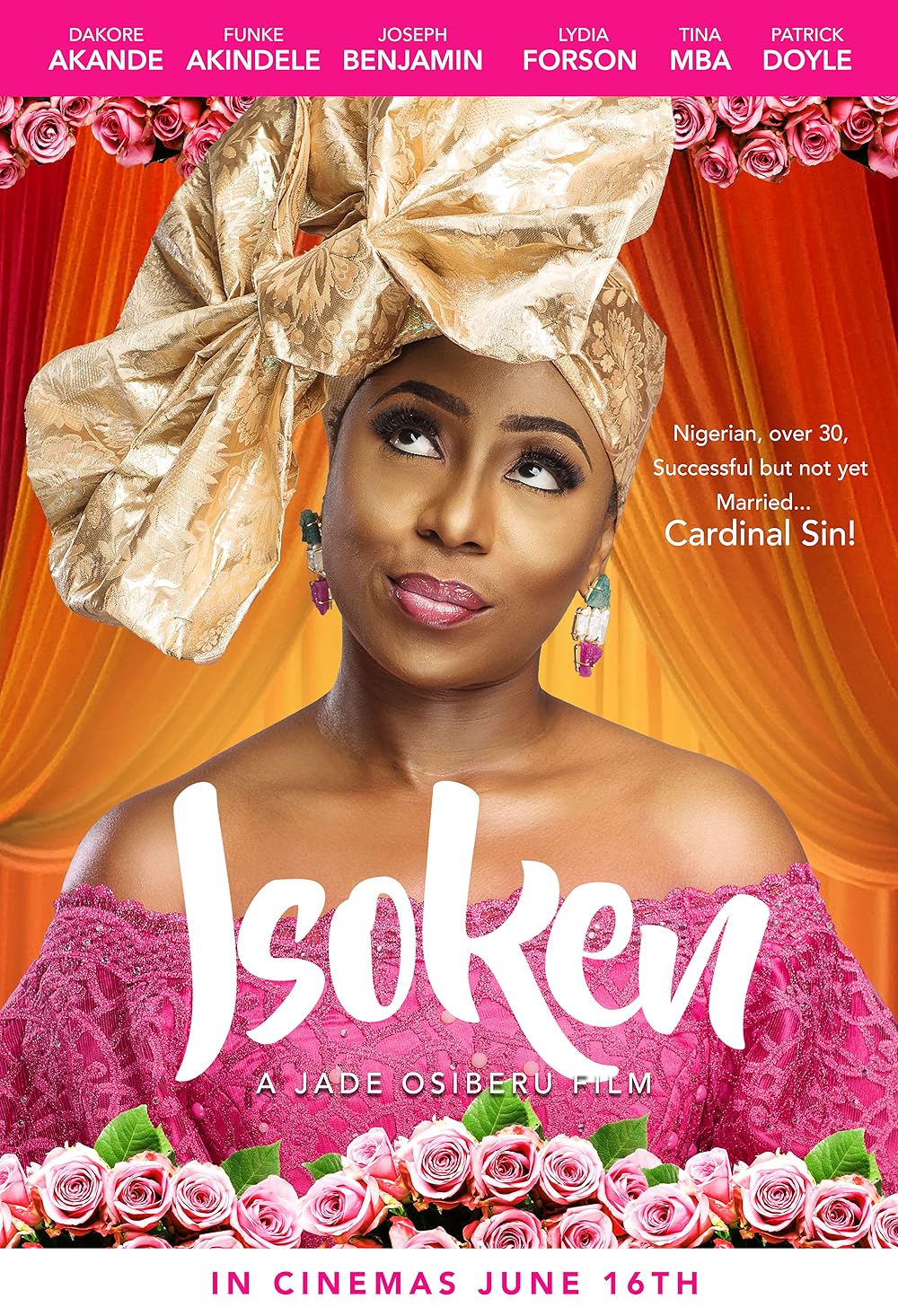
Isoken is a beautifully told Nollywood love story that explores societal pressure, self-discovery, and the pursuit of genuine happiness. Written and directed by Jade Osiberu, the film follows the life of Isoken, a 34 years old successful, independent woman who seems to have it all, except a husband. In Nigerian culture, especially among the Edo people, a woman reaching that age without marriage often faces immense pressure from family and society.
Isoken, played by Dakore Egbuson-Akande, is the eldest daughter in her family, and with her younger sisters already married, her mother, played by the legendary Tina Mba, grows increasingly desperate to see her settle down. At a family wedding, she is introduced to Osaze (Joseph Benjamin), a successful and charming Edo man who seems like the perfect husband material. Everyone, including her family, sees him as the ideal match, but Isoken isn’t sure.
Things take an unexpected turn when she meets Kevin (Marc Rhys), a British photographer who, despite cultural differences, understands her in ways no one else has. As she finds herself drawn to him, she is forced to confront not only her feelings but also the weight of tradition and expectations. The film navigates the complexities of love, racial stereotypes, identity, and the difficult choices many women face in the pursuit of true happiness.
The film was produced by Tribe85 Productions and distributed by FilmOne in Nigeria and Evrit Film in the UK. It had its grand premiere on May 24, 2017, at the Cineworld Cinema in London’s West End, followed by a highly anticipated Nigerian premiere on June 11, 2017, at the Landmark Event Center, Victoria Island, Lagos. Isoken was one of the notable projects backed by the Bank of Industry’s NollyFund loan scheme, an initiative designed to support Nollywood filmmakers in bringing high-quality productions to the big screen.
At its core, Isoken is a modern Nollywood love story that challenges conventional narratives. It raises questions about what truly makes a relationship work, compatibility, love, or societal approval. With its stunning cinematography, strong performances, and a fresh take on the romantic genre, the film remains one of Nollywood’s most memorable love stories, celebrating the power of choice and self-acceptance.
Yemi My Lover (1993)

“Yemi My Lover” is one of Nollywood’s most iconic love stories, a film that perfectly blended romance, fantasy, and musical elements in a way that was fresh and captivating for its time. A musical romance in a time when Nollywood wasn’t exactly known for singing and dancing? That alone made it stand out. But beyond the catchy songs and dramatic performances, at its core, Yemi My Lover was a tale of love, destiny, and supernatural forces at play.
The film follows Yemi, a young, charismatic man played by Yemi Ayebo (popularly known as Yemi My Lover after the film’s success). He falls deeply in love with Moji, a mysterious woman with an otherworldly presence. As their romance unfolds, it becomes clear that Moji isn’t just an ordinary girl, there’s something mystical about her origins. Their love is tested by forces beyond their control, adding layers of suspense, fantasy, and emotional depth to the story.
One of the things that made Yemi My Lover so iconic was its fearless embrace of music and theatricality. Unlike the more traditional Nollywood love stories that relied on dialogue-heavy exchanges and predictable love triangles, this movie infused its storytelling with vibrant songs that heightened emotions. Love was expressed not just through words but through melodies, making it feel larger than life.
At the time, Nigerian audiences had never seen anything quite like it. The mix of romance, fantasy, and music gave the film a cult-like following. Even years later, people who grew up in the ’90s still remember its unique charm and nostalgic appeal.
Beyond its romantic core, Yemi My Lover became a cultural phenomenon, launching Yemi Ayebo into stardom and earning a place in Nollywood history as one of the most beloved love stories. Even decades later, its nostalgic appeal remains strong, reminding audiences of a time when Nollywood was experimenting with creative storytelling in ways that left lasting impressions.
The Wedding Party (2016)
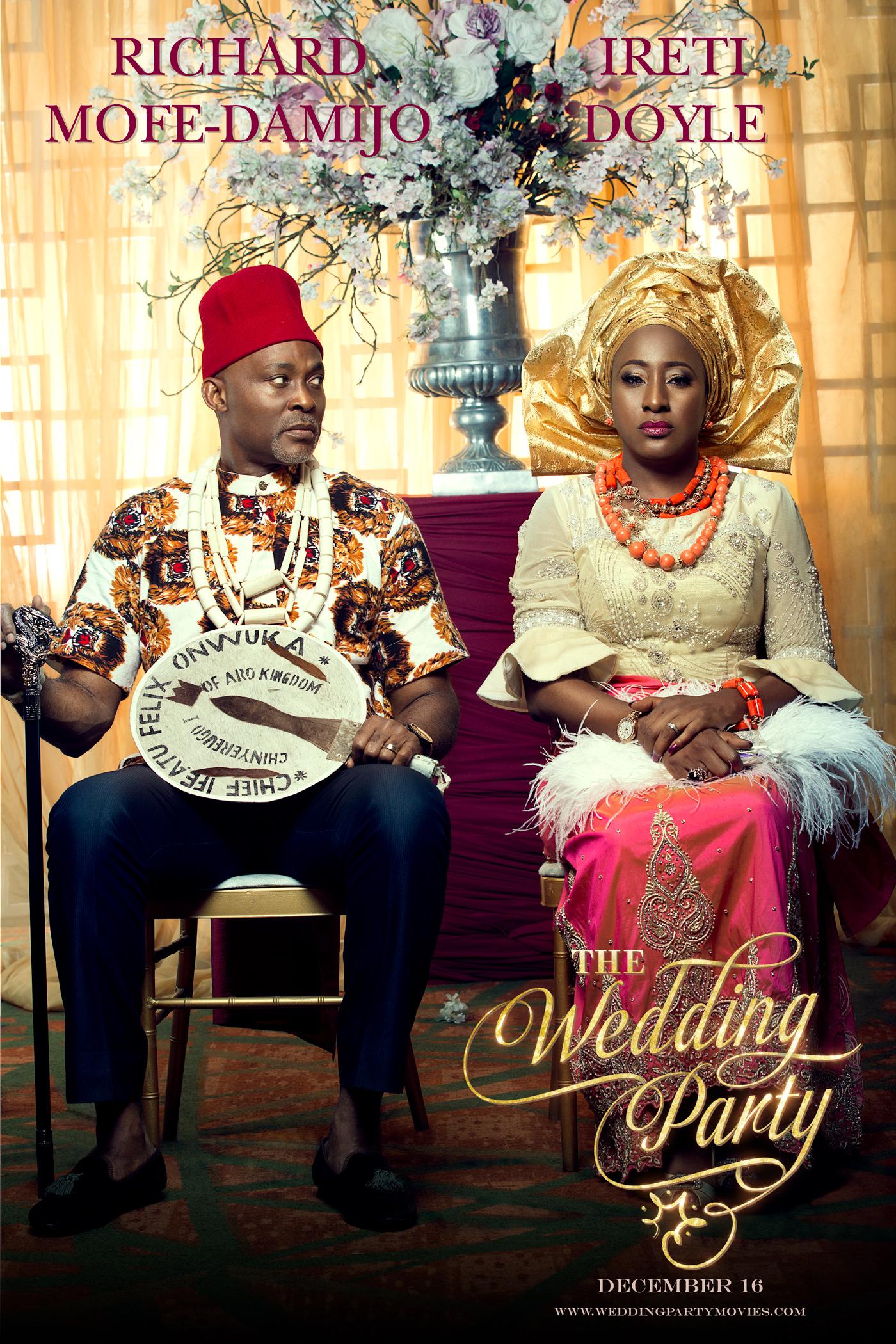
In 2016, The Wedding Party took Nollywood by storm, redefining romantic comedies and setting a new benchmark for the industry. Directed by Kemi Adetiba and produced by EbonyLife Films, the film wasn’t just another love story, it was a grand, colorful, and chaotic celebration of love, culture, and family drama.
The movie premiered on September 8, 2016, at the Toronto International Film Festival, marking its grand debut on the global stage. It later had its Nigerian premiere on November 26, 2016, at the Landmark Event Centre in Lagos. Officially released worldwide on December 16, 2016, the film quickly became a box office sensation, earning the title of the highest-grossing Nigerian film at the time.
At the heart of it all were Dunni Coker (played by Adesua Etomi) and Dozie Onwuka (played by Banky W), a young couple deeply in love, determined to make it down the aisle despite the numerous obstacles thrown their way. Dunni, a charming and strong-willed bride from a wealthy Yoruba family, is set to marry Dozie, the handsome and successful son of an Igbo business tycoon. Their wedding is supposed to be the perfect event, but from the moment the families come together, chaos erupts.
Cultural tensions, last-minute surprises, and unexpected drama threaten to derail the big day. Dozie’s mother, played by Ireti Doyle, doesn’t hide her disapproval of the match, convinced that her son is marrying beneath his status. Meanwhile, Dunni’s parents, played by Sola Sobowale and Alibaba, struggle to keep the event under control. Then, there’s the uninvited ex-girlfriend, a wedding planner who’s in way over her head, and a best man who causes more trouble than he solves.
With humor, heart, and a touch of melodrama, The Wedding Party beautifully captures the reality of Nigerian weddings, the excesses, the family drama, the traditions, and, most importantly, the love. It wasn’t just a hit; it became the highest-grossing Nigerian movie at the time, proving that Nollywood had the power to tell world-class love stories with flair. More than anything, the film showed that, no matter the obstacles, love always finds a way.
Phone Swap (2012)

Phone Swap is a romantic comedy-drama that takes an unconventional approach to love, blending humor, fate, and personal growth. Directed and produced by the acclaimed filmmaker Kunle Afolayan, the film became one of Nollywood’s most beloved romantic films due to its unique storytelling, strong performances, and relatable themes.
At its core, Phone Swap tells the story of two vastly different individuals, Akin (Wale Ojo), a wealthy but emotionally distant corporate executive, and Mary (Nse Ikpe-Etim), a hardworking but struggling fashion designer. Their lives take an unexpected turn when a simple mix-up at the airport leads them to swap phones. This seemingly small incident causes them to embark on a journey that forces them into each other’s worlds.
Akin, who is used to a life of control and structure, is suddenly thrust into a rural environment when he mistakenly takes Mary’s flight to Owerri for an important business meeting. Meanwhile, Mary, who was headed to a job opportunity in Abuja, finds herself navigating Akin’s high-pressure corporate world. As they each try to adapt to their new environments and handle each other’s personal and professional commitments, they gain unexpected insights about themselves and each other.
The film masterfully weaves humor with emotional depth, showcasing how love can emerge from the most unexpected situations. Akin and Mary’s initial animosity slowly transforms into understanding and, eventually, a genuine connection. By the time their paths realign, they have grown in ways neither of them expected, proving that love often finds us when we least expect it.
With stunning cinematography, a well-crafted script, and powerful performances, Phone Swap remains a standout in Nollywood’s romance genre. It’s a film that not only entertains but also reminds audiences that love is sometimes just a twist of fate away.
Abeni (2006)

Abeni is a Nollywood classic that blends romance, culture, and fate in a compelling love story that crosses social divides. Directed by Tunde Kelani, the film is set against the backdrop of Nigeria and the Republic of Benin, bringing a rich blend of Yoruba traditions and modern life into the narrative.
The narrative centers on Abeni, portrayed by Sola Asedeko, a young woman from a privileged Nigerian family, and Akanni, played by Abdel Hakim Amzat, a boy from a modest background in Benin. Their story begins during Abeni’s 10th birthday party, where Akanni rescues her from pranksters, leading to a bond that transcends their differing social statuses. However, this incident results in Akanni’s father losing his job as Abeni’s family’s gateman, prompting Akanni and his parents to relocate to Benin.
Years later, fate brings Abeni and Akanni together again, rekindling their childhood connection into a profound love. Despite their deep affection, Abeni’s father, Chief Bello (Jide Kosoko), disapproves of their relationship due to Akanni’s socioeconomic status. The film delves into the challenges they face, highlighting societal and familial pressures that test their commitment.
Set against the rich cultural landscapes of Yoruba-speaking regions in Nigeria and Cotonou, Abeni employs a blend of languages, showcasing how the characters navigate and overcome language barriers through attentive communication and gestures. The film’s authentic portrayal of cultural nuances adds depth to the narrative, making it a standout piece in Nollywood cinema.
Abeni received critical acclaim, earning nominations in eleven categories at the 3rd Africa Movie Academy Awards and winning awards for Best Sound and Best Performance by a Child (Samuel Olaseinde).
With Tunde Kelani’s signature storytelling, Abeni delivers a visually rich and emotionally engaging narrative that resonates with audiences. The film’s portrayal of love that transcends borders and backgrounds makes it one of Nollywood’s most memorable romantic dramas.
Flower Girl (2013)
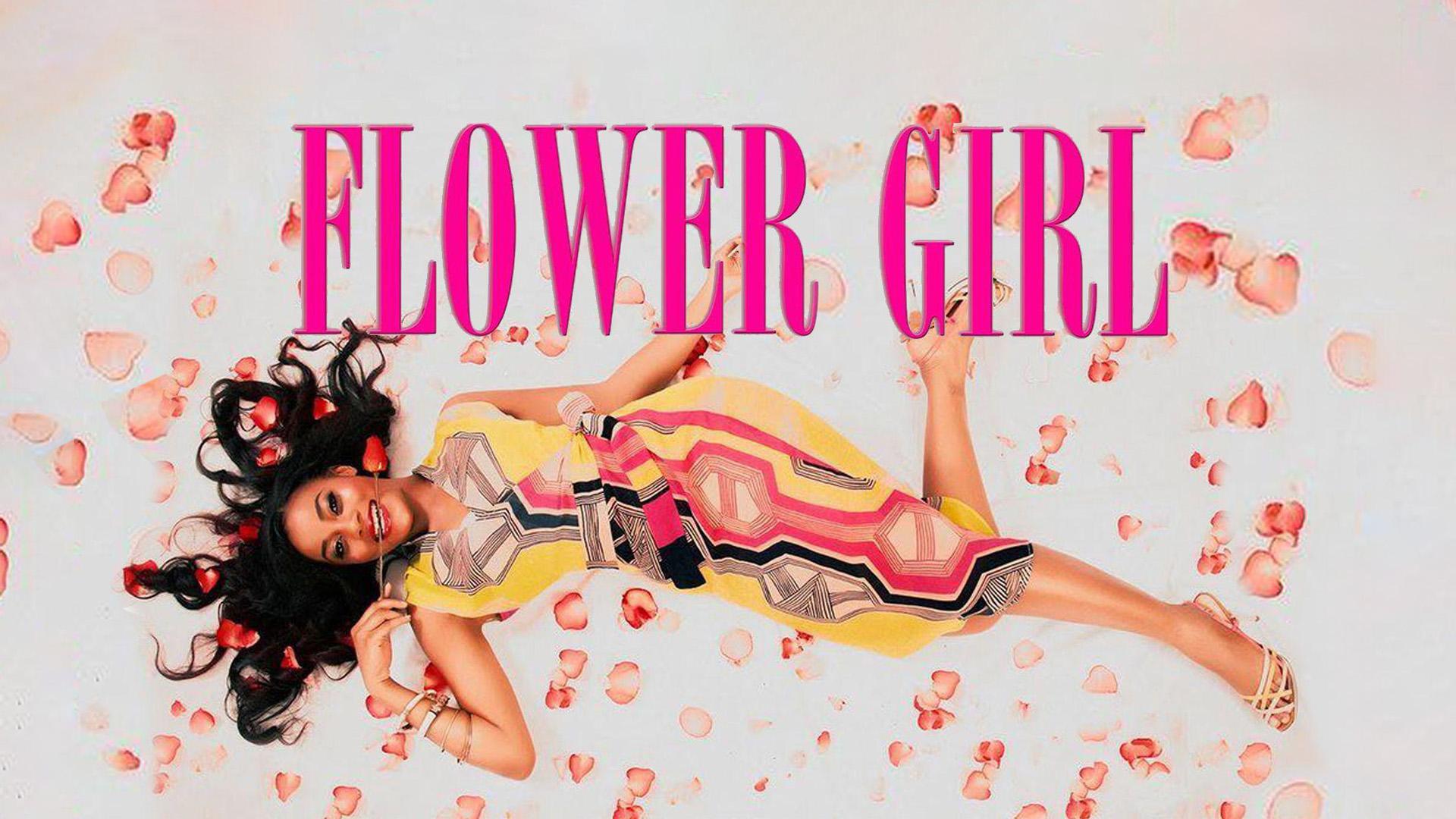
Flower Girl is a Nigerian romantic comedy that artfully explores themes of love, ambition, and self-discovery. Directed by Michelle Bello, the film showcases the vibrant cityscape of Lagos while delving into the complexities of modern relationships.
The narrative centers on Kemi, portrayed by Damilola Adegbite, a dreamy florist working in her parents’ flower shop. Consumed by fantasies of a perfect wedding, she eagerly anticipates a marriage proposal from her long-term boyfriend, Umar (Chris Attoh), an ambitious lawyer striving for career advancement. However, upon receiving his much-awaited promotion, Umar shocks Kemi by ending their relationship, citing the need to focus on his burgeoning career.
Heartbroken, Kemi’s life takes an unexpected turn when she crosses paths with Tunde Kelani (Blossom Chukwujekwu), a charismatic Nollywood star, following a minor car accident. Moved by her plight, Tunde proposes a scheme to pose as her new boyfriend, aiming to reignite Umar’s interest through jealousy. As they execute their plan, Kemi and Tunde’s faux relationship begins to blur the lines between pretense and genuine affection, leading Kemi to reevaluate her understanding of love and fulfillment.
The film’s ensemble cast includes Eku Edewor as Sapphire, Tunde’s on-and-off glamorous girlfriend; Bikiya Graham-Douglas as Stella, Kemi’s vivacious best friend; and Patrick Doyle as Mr. Williams, Kemi’s eccentric father. Their performances add depth and humor to the storyline, enriching the film’s exploration of societal expectations and personal aspirations.
Flower Girl premiered on February 14, 2013, in Lagos, aligning with Valentine’s Day celebrations. The film received mixed reviews, with critics praising the chemistry between Adegbite and Attoh, as well as the vibrant depiction of Lagos. However, some critiques were directed at its predictable plot and sound design. Despite these criticisms, the film achieved commercial success, grossing over ₦29 million domestically.
The film garnered several accolades, including awards for Best Sound and Best Performance by a Child at the Africa Movie Academy Awards, and multiple nominations at the Nollywood Movies Awards and Africa Magic Viewer’s Choice Awards.
Flower Girl stands as a testament to Nollywood’s capacity to craft engaging romantic comedies that resonate with audiences, blending cultural authenticity with universal themes of love and self-discovery.
Letters to a Stranger (2007)
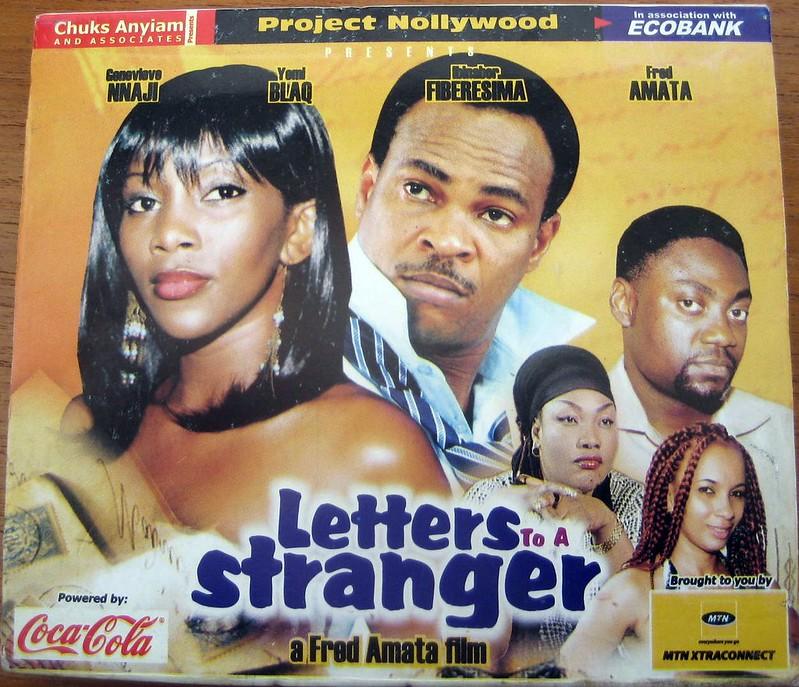
Letters to a Stranger is a 2007 Nigerian romantic comedy-drama directed by Fred Amata. The film features a notable cast, including Genevieve Nnaji as Jemima Lawal, Yemi Blaq as Sadiq, Fred Amata as Fredrick Okoh, Joke Silva as Mrs. Okoh, with special appearances from Segun Arinze and D’Banj.
Jemima Lawal, portrayed by Genevieve Nnaji, is a writer experiencing a turbulent relationship with her boyfriend, Fredrick Okoh (Fred Amata). Fredrick’s overbearing mother, Mrs. Okoh (Joke Silva), frequently interferes in their relationship, causing strain. In a moment of frustration, Jemima attempts to call her sister but mistakenly dials Sadiq (Yemi Blaq), a fellow writer. This accidental connection leads to a deepening friendship and potential romantic interest, prompting Jemima to reflect on her current relationship and personal desires.
The film delves into themes of love, self-discovery, and the complexities of modern relationships. It received attention for its engaging narrative and the performances of its lead actors. Genevieve Nnaji’s portrayal of Jemima was particularly noted for its depth and authenticity.
Letters to a Stranger is recognized as a significant contribution to Nollywood’s romantic comedy genre, showcasing the industry’s capacity to tell relatable and compelling stories. The film’s exploration of personal choice and societal expectations resonates with audiences, solidifying its place among memorable Nigerian films of its time.
The Meeting (2012)
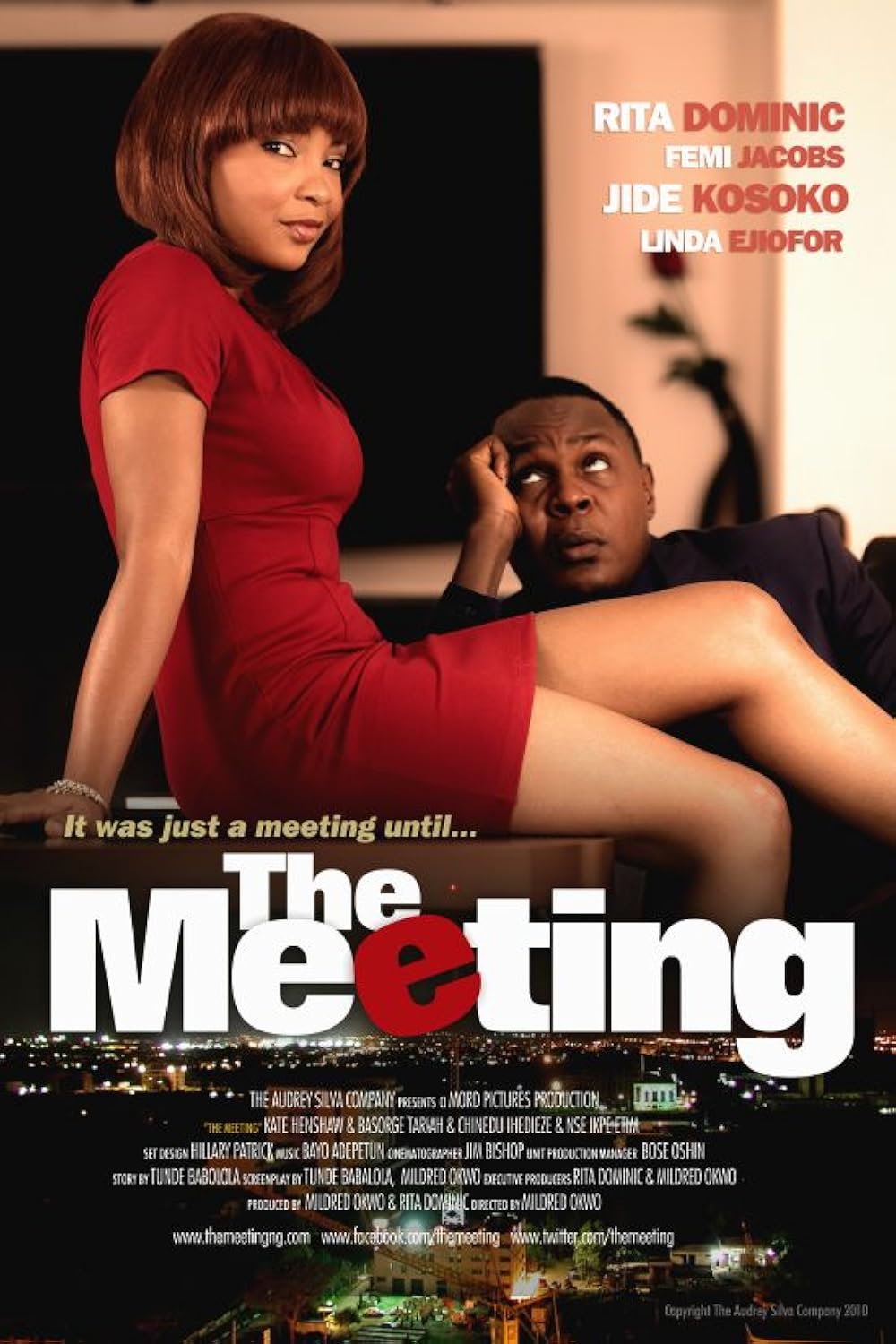
The Meeting is a 2012 Nigerian romantic comedy-drama directed by Mildred Okwo and produced by Rita Dominic and Mildred Okwo. The film features a talented ensemble cast, including Femi Jacobs as Makinde Esho, Rita Dominic as Clara Ikemba, Linda Ejiofor as Ejura, Kehinde Bankole as Kikelomo, and Jide Kosoko as the Managing Director. Notable special appearances include Nse Ikpe Etim, Kate Henshaw, and Chinedu Ikedieze.
The narrative follows Makinde Esho, a Lagos-based corporate executive who travels to Abuja seeking government authorization for his company’s project. Upon arrival, he encounters Ejura, a National Youth Service Corps (NYSC) member, leading to an unexpected companionship. Makinde’s attempts to secure a meeting with the Minister of Land are thwarted by the minister’s formidable secretary, Clara Ikemba, whose bureaucratic antics and personal vendettas create a series of comedic and frustrating delays. As Makinde navigates these challenges, he develops a growing bond with Ejura, prompting reflections on his personal and professional priorities.
The film received critical acclaim for its storytelling, character development, and performances. Nollywood Reinvented awarded it a 78% rating, highlighting its splendid acting and original storyline.
The Meeting stands as a significant contribution to Nollywood cinema, blending humor, romance, and social commentary to depict the intricacies of Nigerian bureaucratic systems and personal relationships.
Picture Perfect (2016)
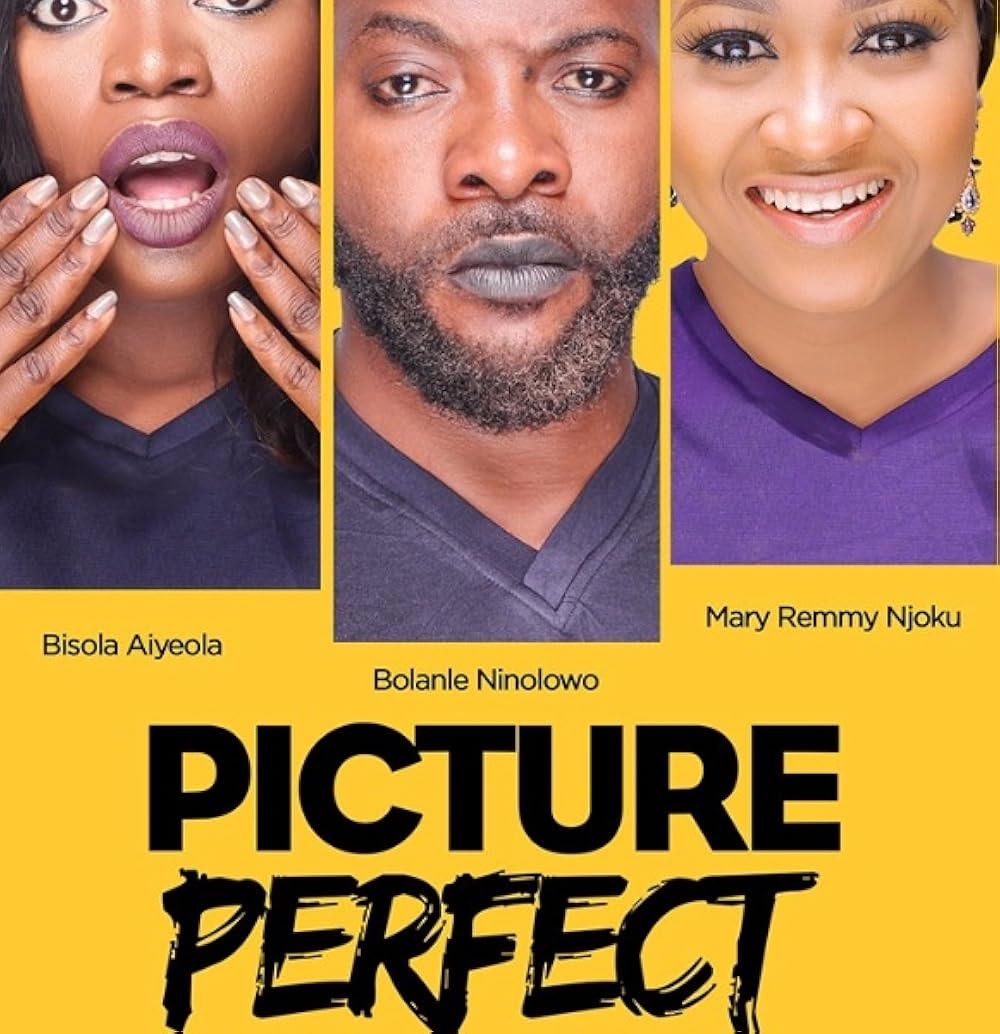
Picture Perfect is a 2016 Nigerian romantic drama directed by Tope Alake and written by Biodun Stephen. The film stars Mary Remmy Njoku as Kumbi, a high-flying fashion designer, and Bolanle Ninalowo as Jobe, a notorious area boy. The story begins when Kumbi’s car breaks down in a rough neighborhood, leading to an unexpected encounter with Jobe. He saves her from potential harm, and this chance meeting evolves into a complex relationship that challenges societal norms and personal boundaries.
The film received positive reviews for its storytelling and performances. Critics praised Ninalowo’s portrayal of Jobe, highlighting his ability to bring depth to the character. Bisola Aiyeola’s role as Kumbi’s friend, Kiksy, was also noted for adding humor and authenticity to the narrative.
Picture Perfect is a significant entry in Nollywood’s exploration of love across social divides, offering a fresh perspective on romantic storytelling within the Nigerian cultural context.
The Griot (2021)
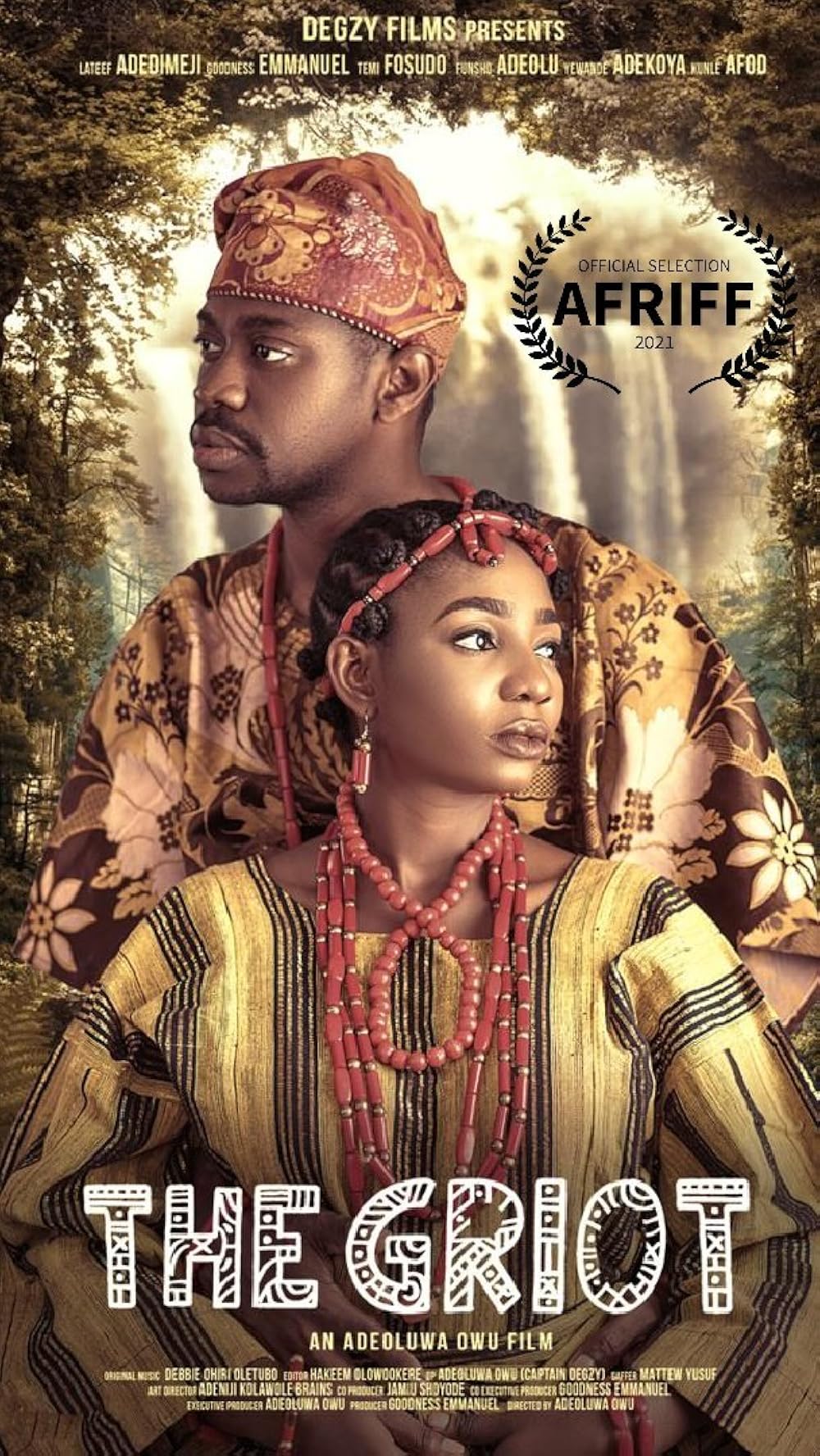
The Griot is one of Nollywood’s most poignant love stories, weaving romance, ambition, and betrayal into a deeply emotional narrative. At its core, the film explores the power of storytelling and how love can become entangled in the complexities of friendship and personal aspirations.
The story follows Lakunle, a talented but painfully shy storyteller, who struggles to express himself beyond his tales. Instead of stepping into the limelight, he allows his charismatic but less talented friend, Sanmi, to take credit for his stories. This deception takes an unexpected turn when Sanmi, now widely admired as the village’s great griot (storyteller), catches the attention of Tiwa, a beautiful woman whom Lakunle secretly loves.
What makes The Griot such a compelling love story is its slow-burning emotional depth. Lakunle’s love for Tiwa is evident, but his inability to claim his own talent, and by extension, his own heart’s desires, creates an internal struggle that resonates deeply. Tiwa, on the other hand, is drawn to Sanmi because of the words she believes are his, not knowing that the true poet of her affections is Lakunle himself.
The film takes a heart-wrenching turn as Lakunle’s silence costs him not just recognition but also the woman he loves. As secrets unravel, the themes of identity, self-worth, and the consequences of deception come to the forefront. Lakunle’s journey from the shadows to owning his truth is both tragic and inspiring, making The Griot a love story that lingers in the heart long after the credits roll.
Unlike typical Nollywood romances that thrive on grand declarations, The Griot is a quiet, introspective tale of unspoken love and lost opportunities. It asks the haunting question: What happens when love is built on a lie, even if that lie was never intended? Through stunning cinematography and a moving soundtrack, the film captures the delicate balance between love, ambition, and the courage to stand in one’s truth.
Ayomi (2015)
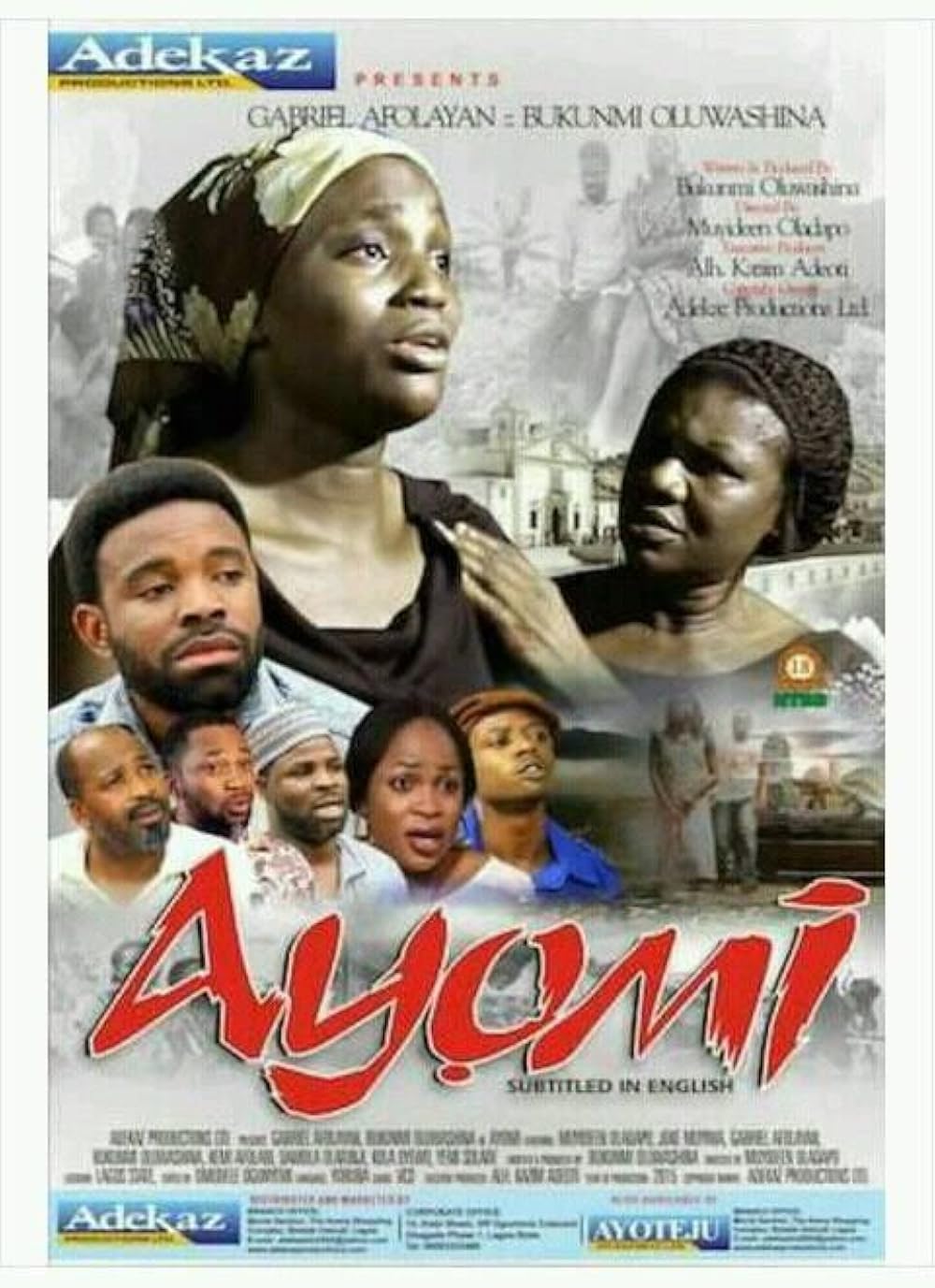
Ayomi is a Nigerian Yoruba-language film that delves into themes of love, resilience, and the complexities of human relationships. The narrative centers around Rantimi, portrayed by Bukunmi Oluwasina, who becomes visually impaired due to circumstances in her early life. Her childhood friend Ayomide, affectionately called Ayomi, played by Gabriel Afolayan, stands by her side, offering unwavering support and companionship.
As they grow older, the bond between Rantimi and Ayomi deepens into romantic love. However, their relationship faces a significant challenge when Ayomi decides to pursue further studies, leading to their separation. This departure leaves Rantimi heartbroken and struggling to cope with the absence of her closest confidant and love.
During Ayomi’s absence, Rantimi grapples with loneliness and the difficulties posed by her visual impairment. Despite these challenges, she demonstrates remarkable resilience, gradually adapting to her new reality and finding ways to navigate life independently. Just as she begins to accept her circumstances and move forward, unforeseen events unfold, bringing new dimensions to her journey and proving that life holds unexpected turns worth living for.
Adding to the intensity of the film is its powerful soundtrack, some of which were composed and sung by Bukunmi Oluwasina. The songs do not just serve as background music; they are woven into the story, amplifying the emotions of each scene. Every lyric reflects the depth of Ayomi’s turmoil, her lover’s pain, and the bittersweet nature of their love.
Ayomi is notable for its authentic portrayal of love and adversity, offering viewers a heartfelt story that resonates with universal themes of loyalty, personal growth, and the enduring power of human connection.
Seven Doors (2024)
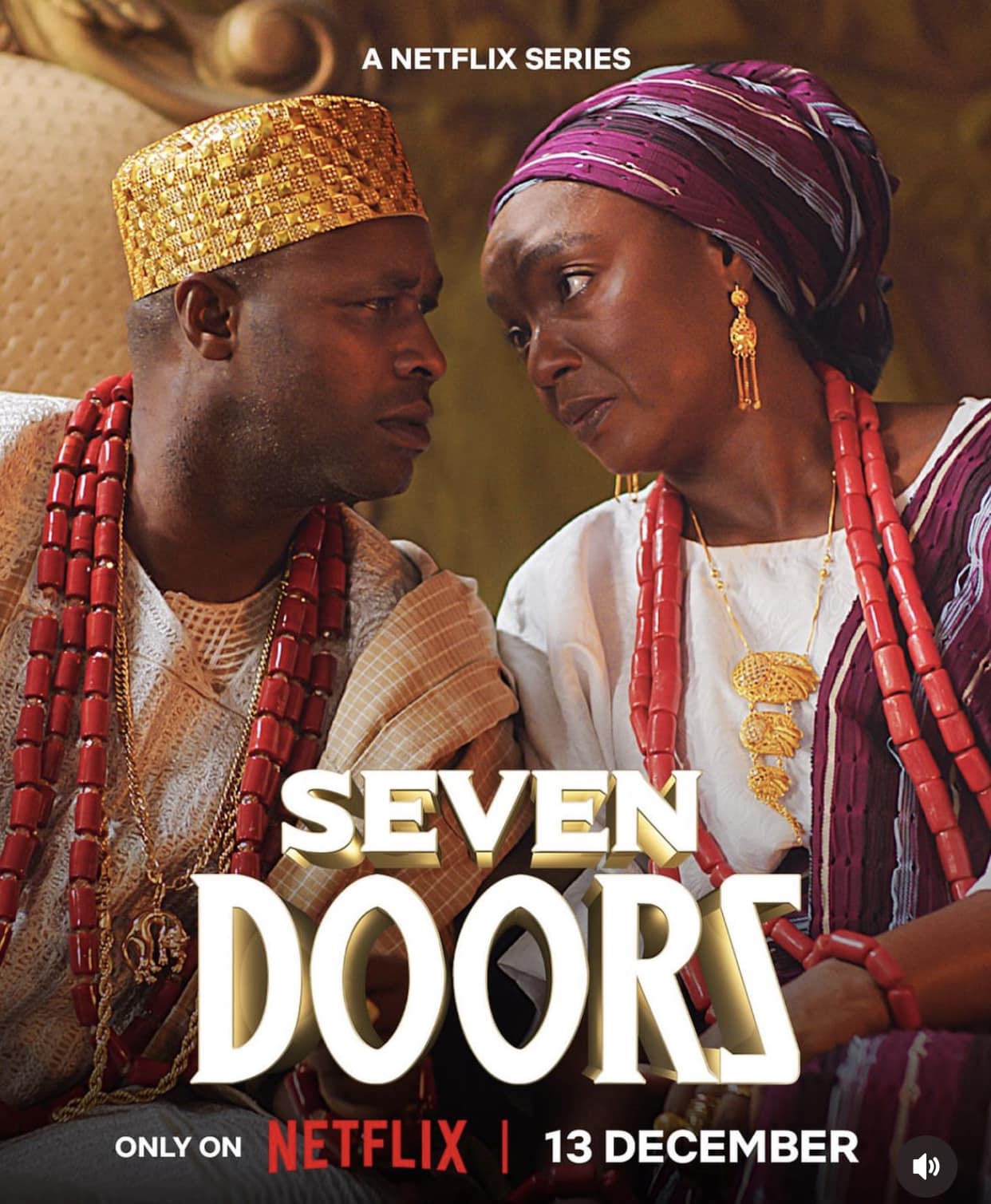
Seven Doors may initially appear as a historical drama filled with kings, ancestral curses, and regal challenges, yet at its heart, it tells a deeply memorable love story that defies time and tradition. The series follows King Adedunjoye, portrayed by Femi Adebayo, whose ascension to the throne unexpectedly forces him to confront a painful ancestral curse.
According to the ancient dictates of his lineage, he must marry six additional wives, making a total of seven, in order to restore balance and appease the spirits. This edict shatters his previously blissful union with his beloved wife, Amaka, played by Chioma Chukwuka, turning a once harmonious relationship into a battleground of conflicting duties and heartfelt desires.
In Seven Doors King Adedunjoye finds himself torn between the rigid demands of tradition and the pure, unyielding love he feels for Amaka. Even as he is compelled by fate to fulfill an ancestral mandate, his heart clings to the love that once promised him solace and identity.
The series masterfully interweaves this cultural wisdom into its storytelling, reminding us that even in the face of overwhelming duty, the power of love endures. Adedunjoye’s struggle is emblematic of a universal truth found in many of Nollywood’s most unforgettable love stories: that our capacity to love is as much a part of us as our very existence, ordained by a higher power and shaped by the choices we make.
Upon its release, Seven Doors quickly captivated audiences with its rich visual tapestry and emotionally charged narrative. It stands as a bold reminder that love is never simple, it is messy, it is complicated, and yet it is the most powerful force that defines us. Through its riveting portrayal of duty, sacrifice, and passion, the series invites viewers to reflect on their own journeys of love, echoing the timeless words: “Nítorí ìfẹ́ ni a ṣe dá olólùfẹ́, nitori tí é ni Ọlọ́run ṣe dá mi” (For the sake of love, a lover was created; and for your sake, God created me).
Conclusion
Nollywood has given us some of the most unforgettable love stories, tales of passion, sacrifice, and fate that have stood the test of time. These films are more than just entertainment; they reflect the complexities of love in all its forms, from heartwarming fairytales to heartbreaking realities.
Whether it’s the fiery chemistry of star-crossed lovers, the resilience of relationships tested by culture and family, or the magic of unexpected romance, these stories continue to resonate with audiences across generations. They remind us that love, in all its beauty and imperfection, is a journey worth taking.
Note: Love stories have always been a cherished part of Nollywood, captivating audiences with timeless romance and emotional depth. This article, curated by Within Nigeria, highlights some of the most memorable love stories in Nollywood history based on audience reception, cultural impact, and storytelling. The selection is not ranked and does not diminish the significance of other love stories that have also resonated with viewers. This article is purely for entertainment and informational purposes and does not serve as an official or definitive list.